
January 16:
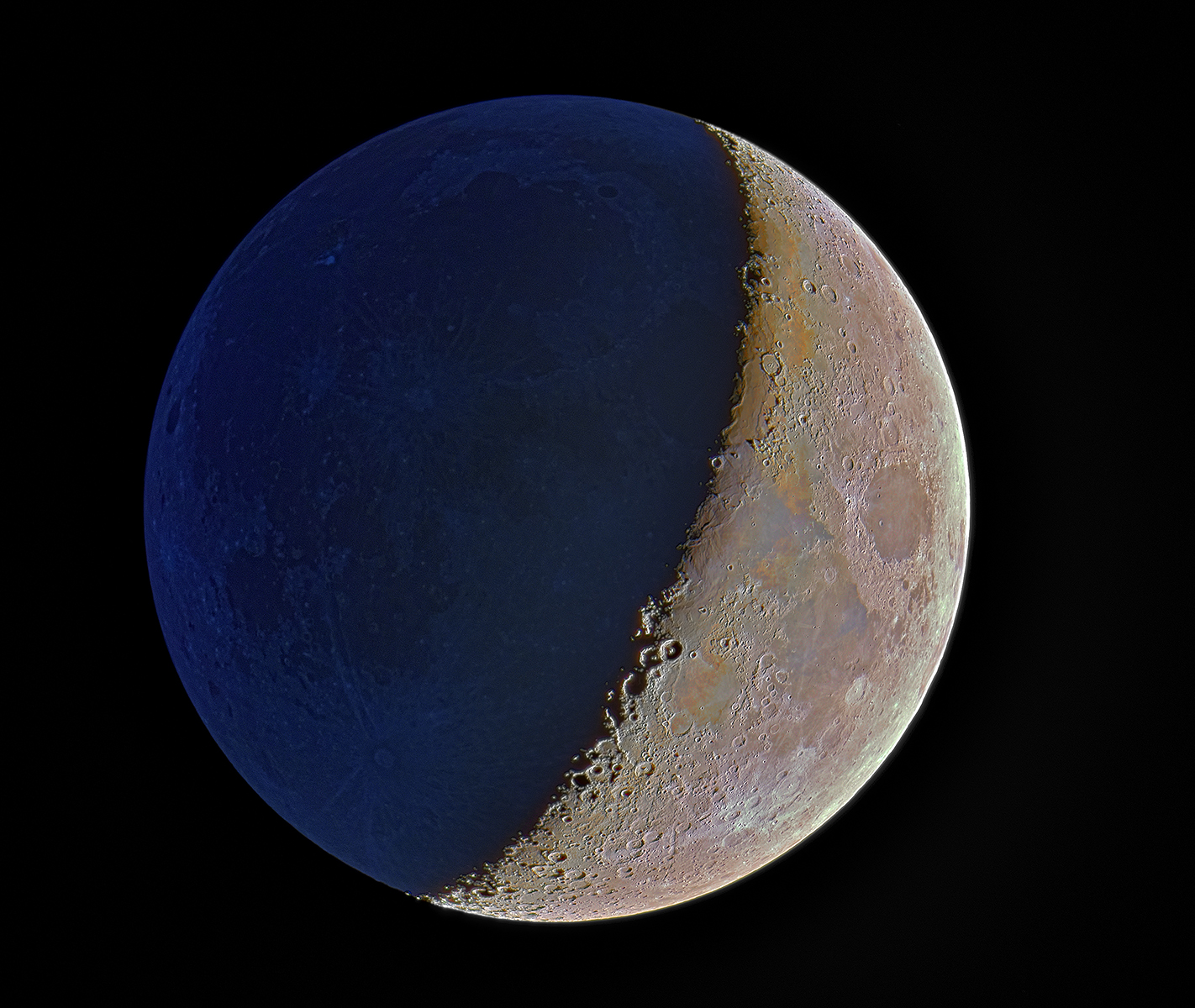
The Earth is BLUE 
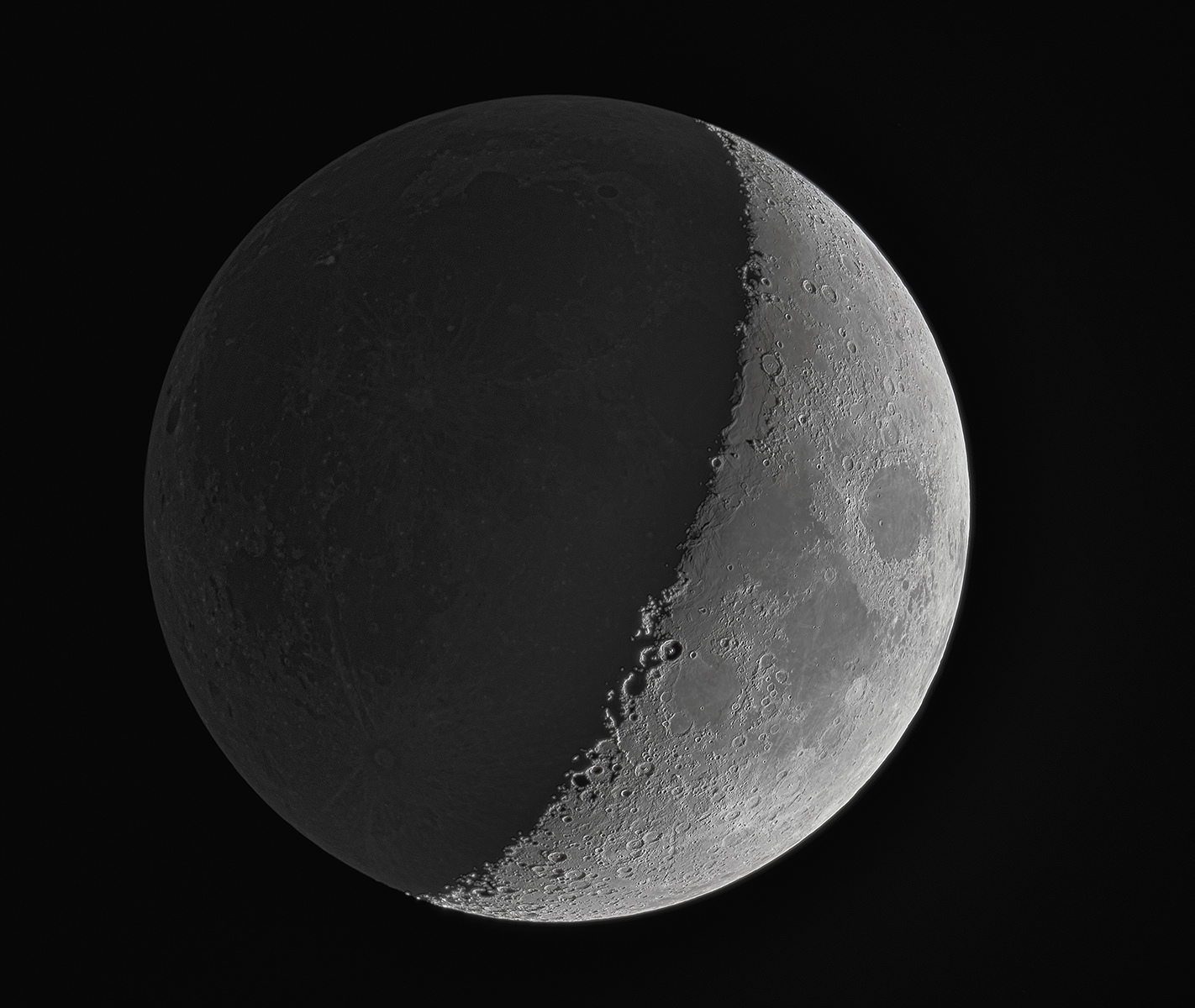
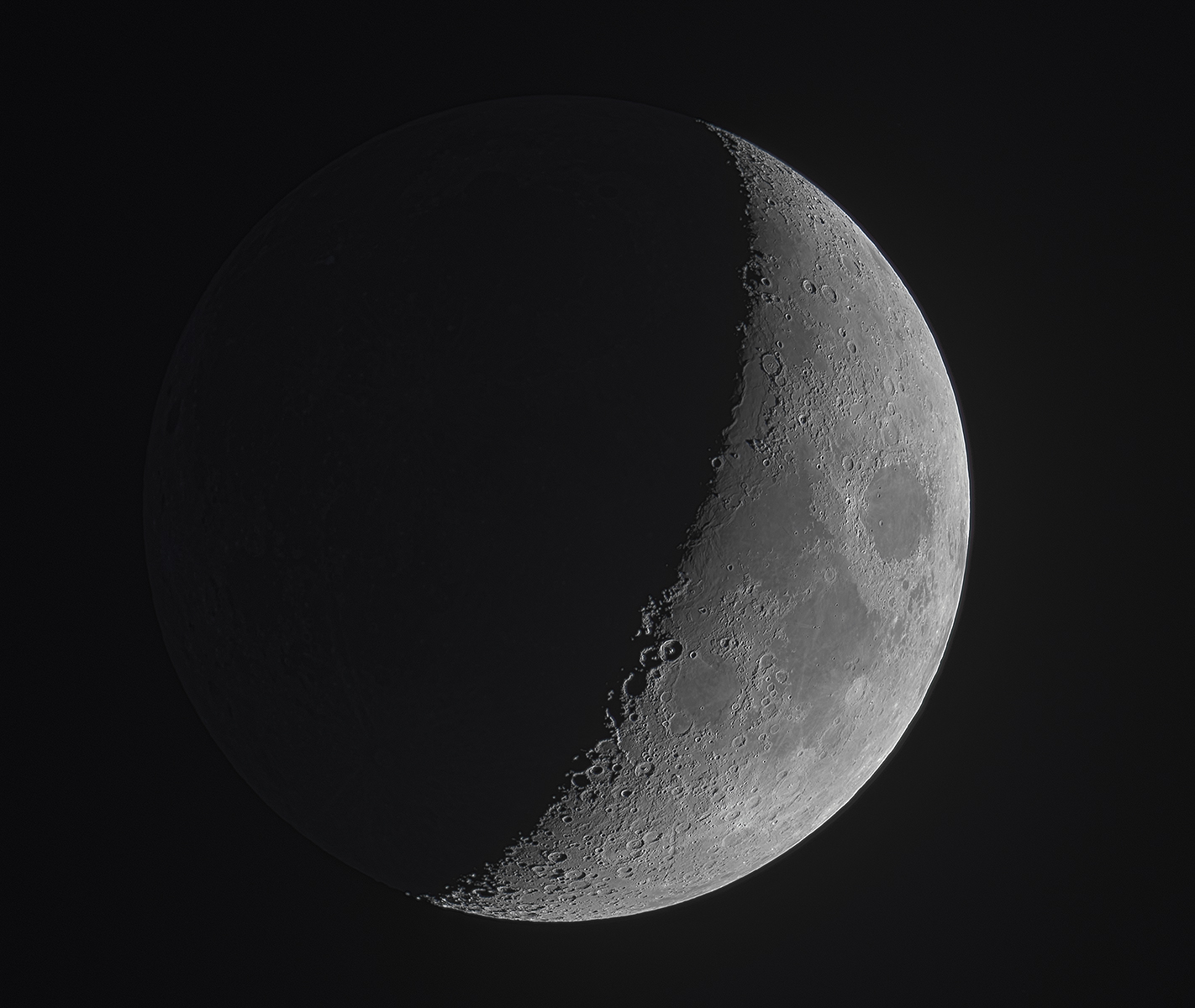
Or at least this results from the following image of our own Moon: an extremely processed image (way to processed in my opinion, but the result is important) of the HDR multi-exposure method (8 sets of 10 to 40 images each, with different exposures of 4 seconds to 1/250s at constant aperture and ISO). To see different versions, I’m also posting the unsaturated image, and a more normal exposed image (what we actually see through a telescope).
Of course, the blue in the Earthshine (the part of the Moon not illuminated by the Sun) is due to the reflexion of sunlight from the Earth’s atmosphere/oceans which hits the Moon, and it’s reflected back at the Earth to be seen again by us. So it is a “double-reflected sunlight”
The colors on the Sun-illuminated part of the Moon are due to minerals at the Moon surface, which are actually there but can’t be seen with the human eye. Only when extreme processing is involved (like I did here) those colors start to be apparent.
Olympus OM-1 with TS 115mm F7 APO Refractor on a CEM60 mount. Camera was controlled remotly via phone. January 16, 2024.
Planet Jupiter with moon Io on January 31st. Fair seeing, with the planet drifting further. At only 40 arcsec. 355mm Newtonian.
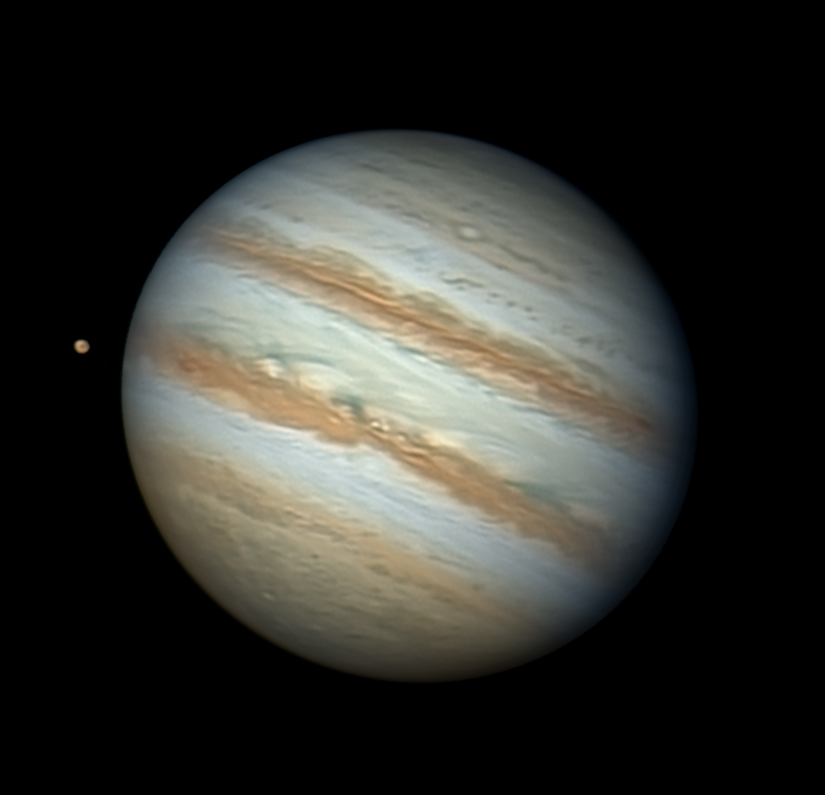
Planet Jupiter with moon Io on a poor seeing session. 355mm Newtonian.

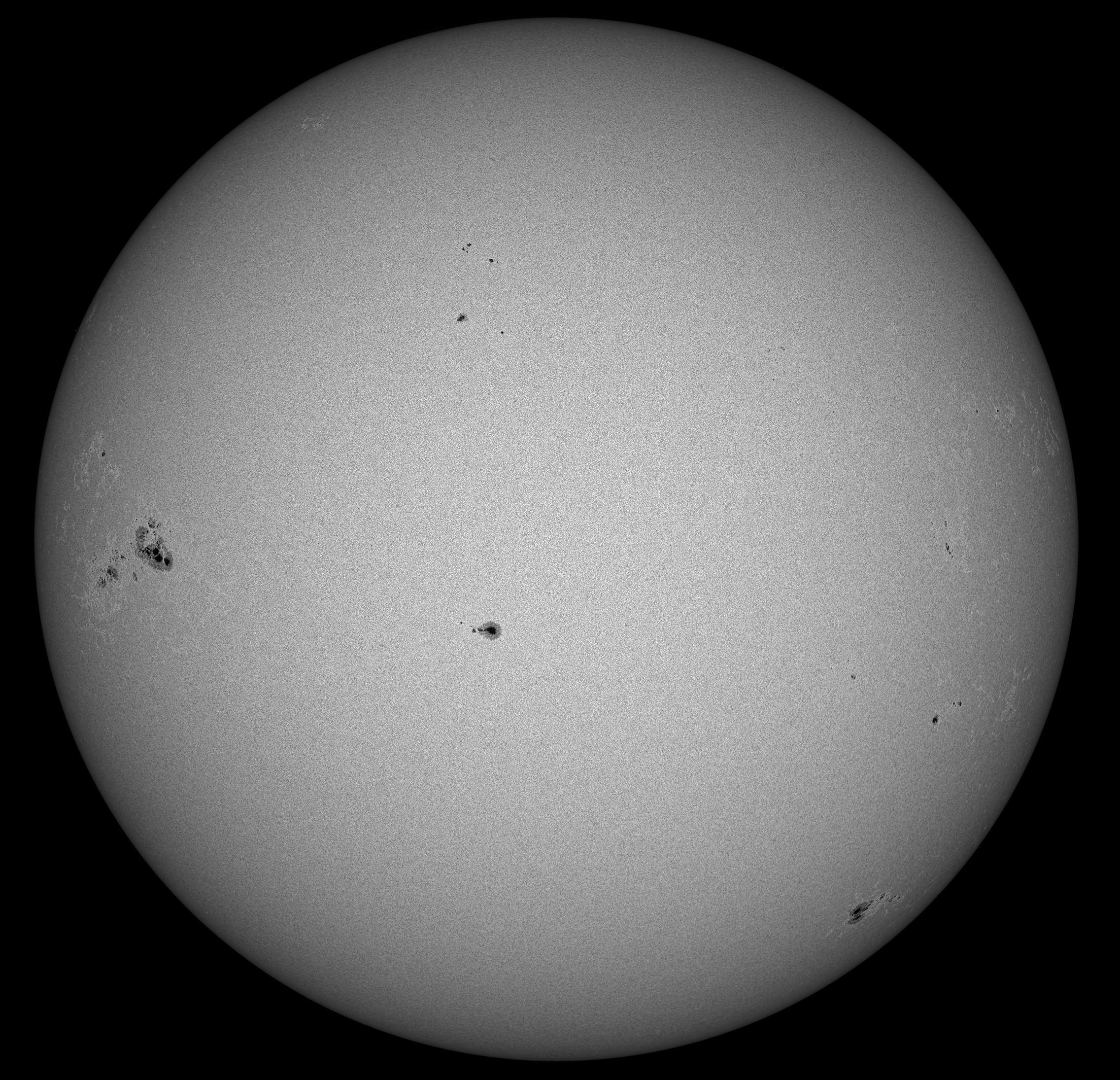
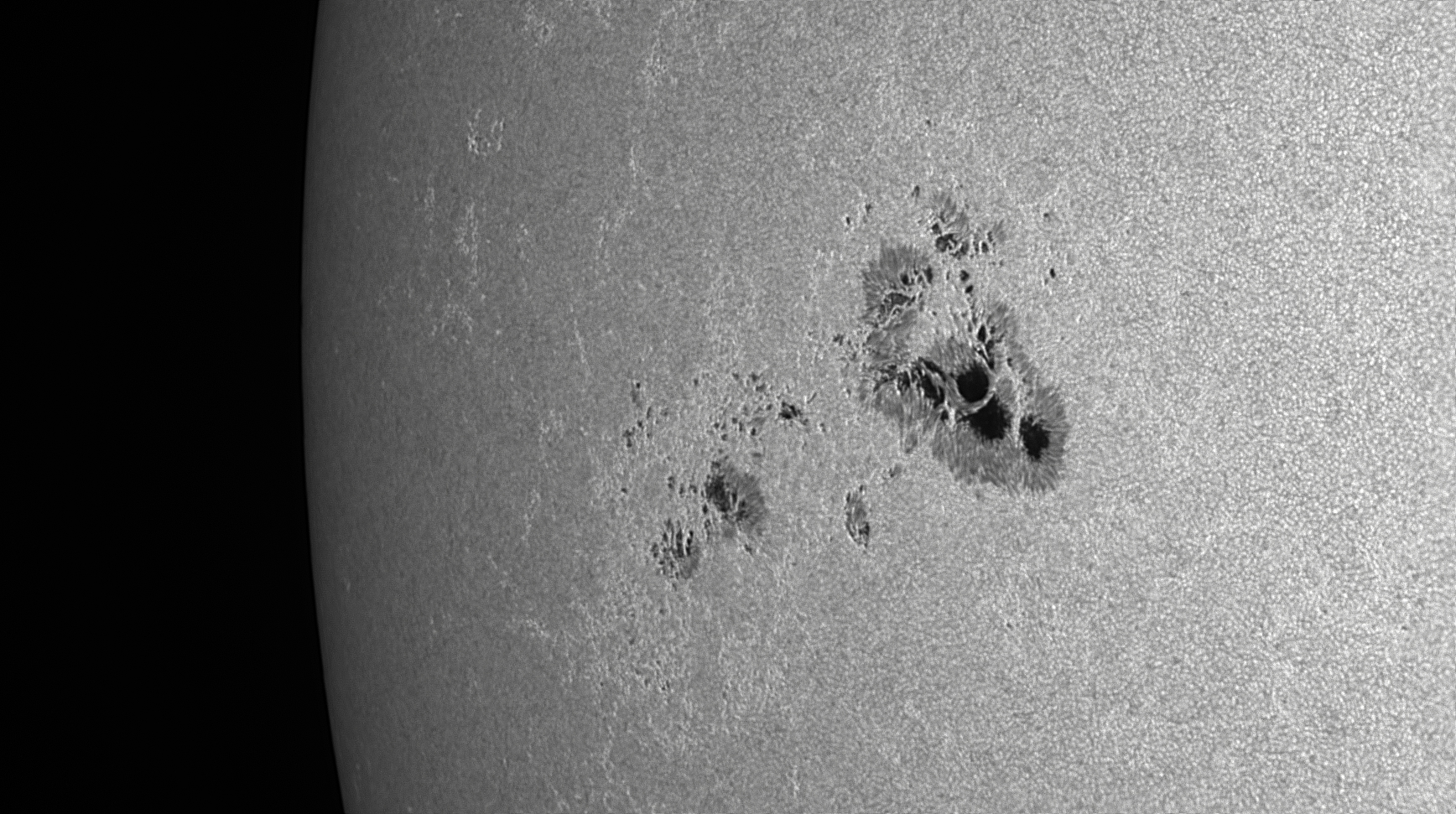
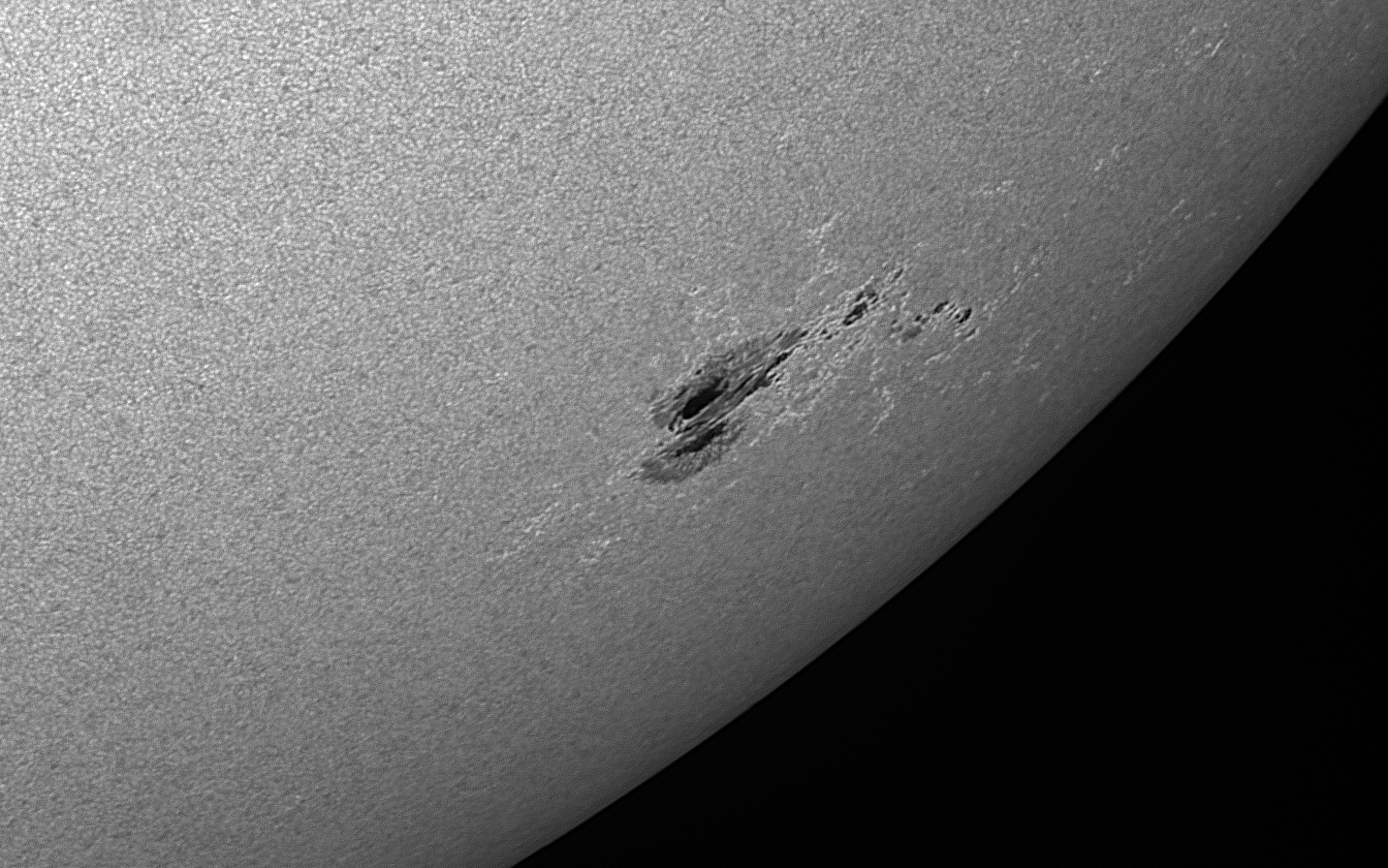
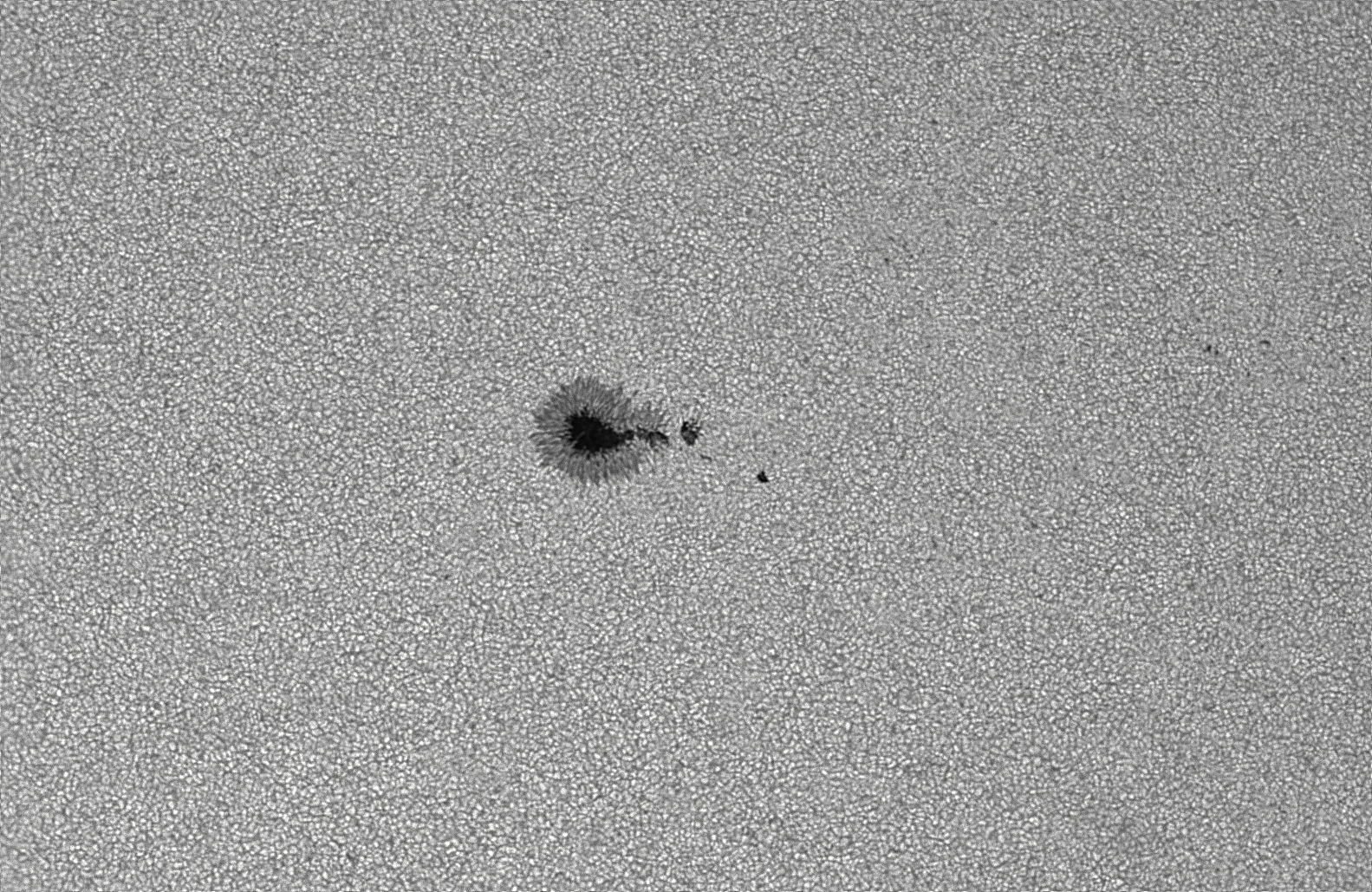
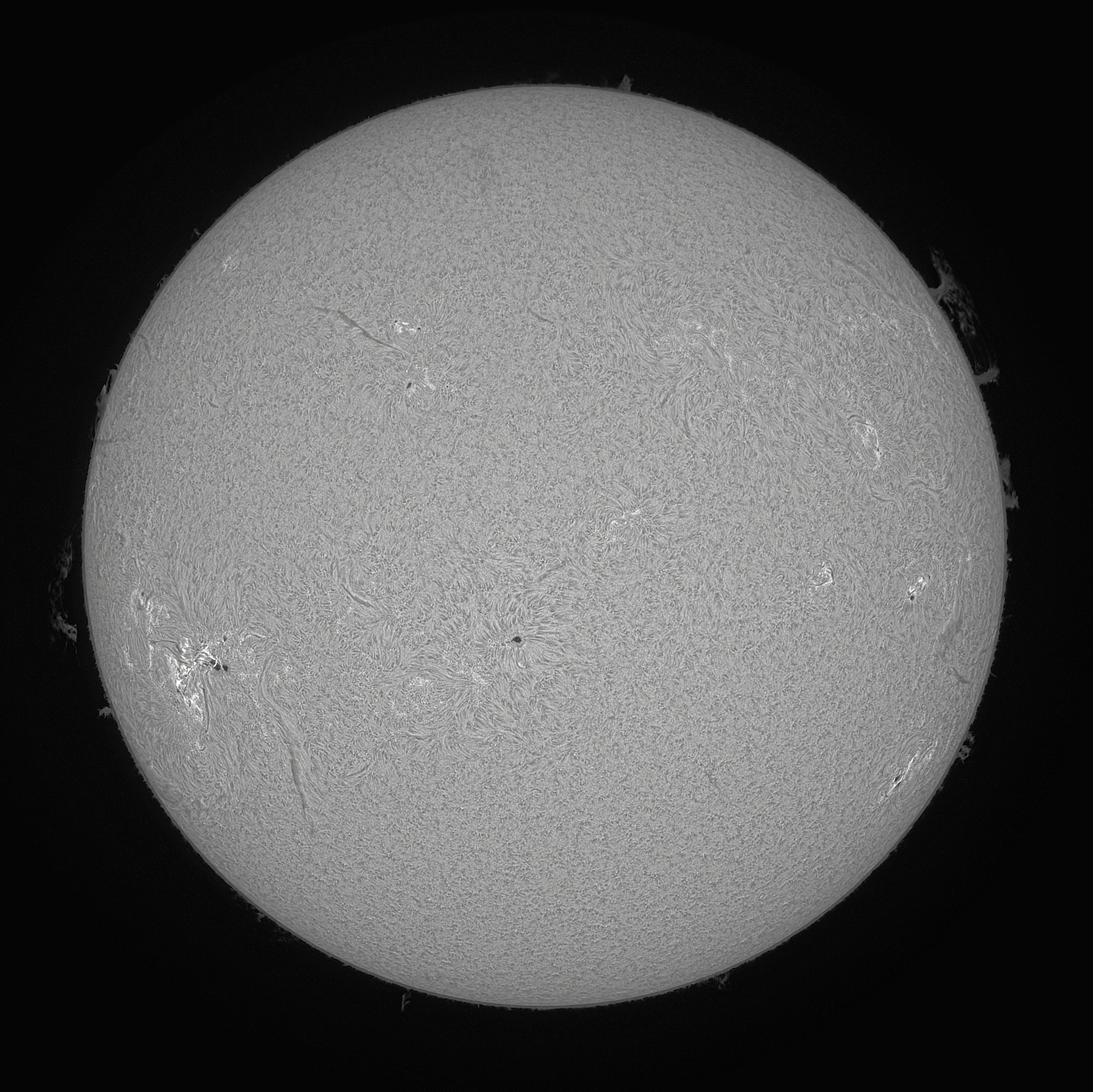
Solar images of February 6, 2024:

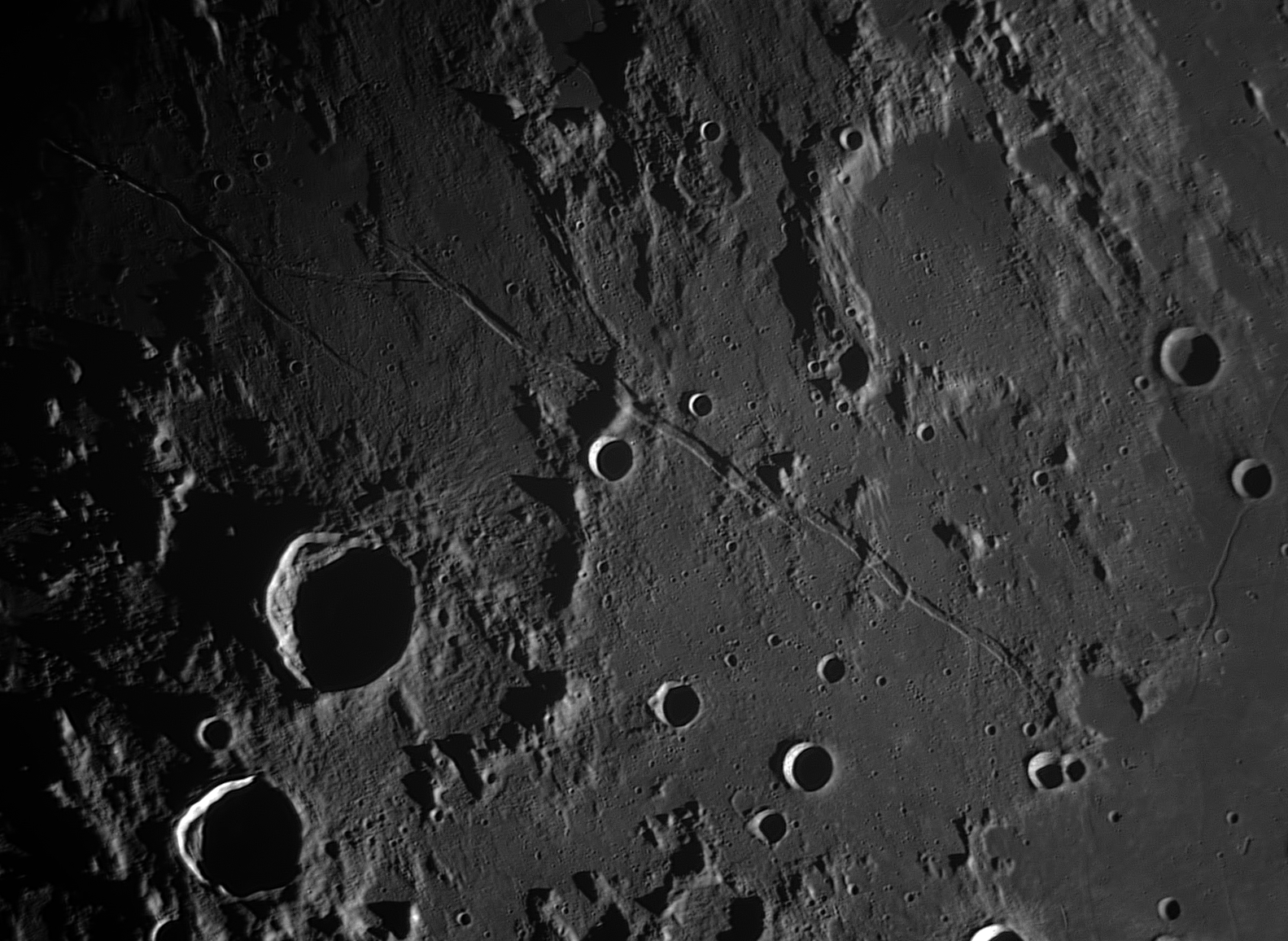
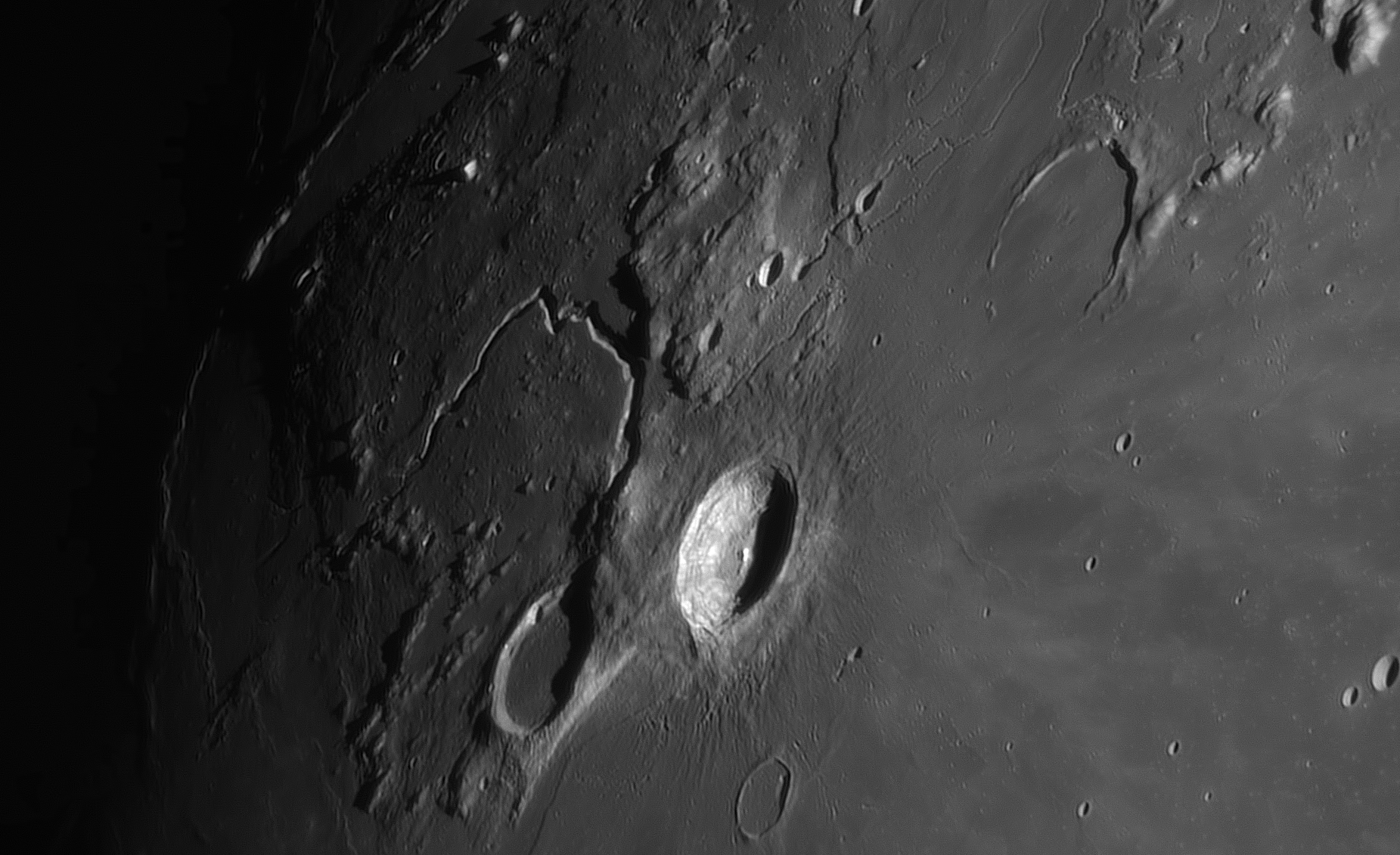
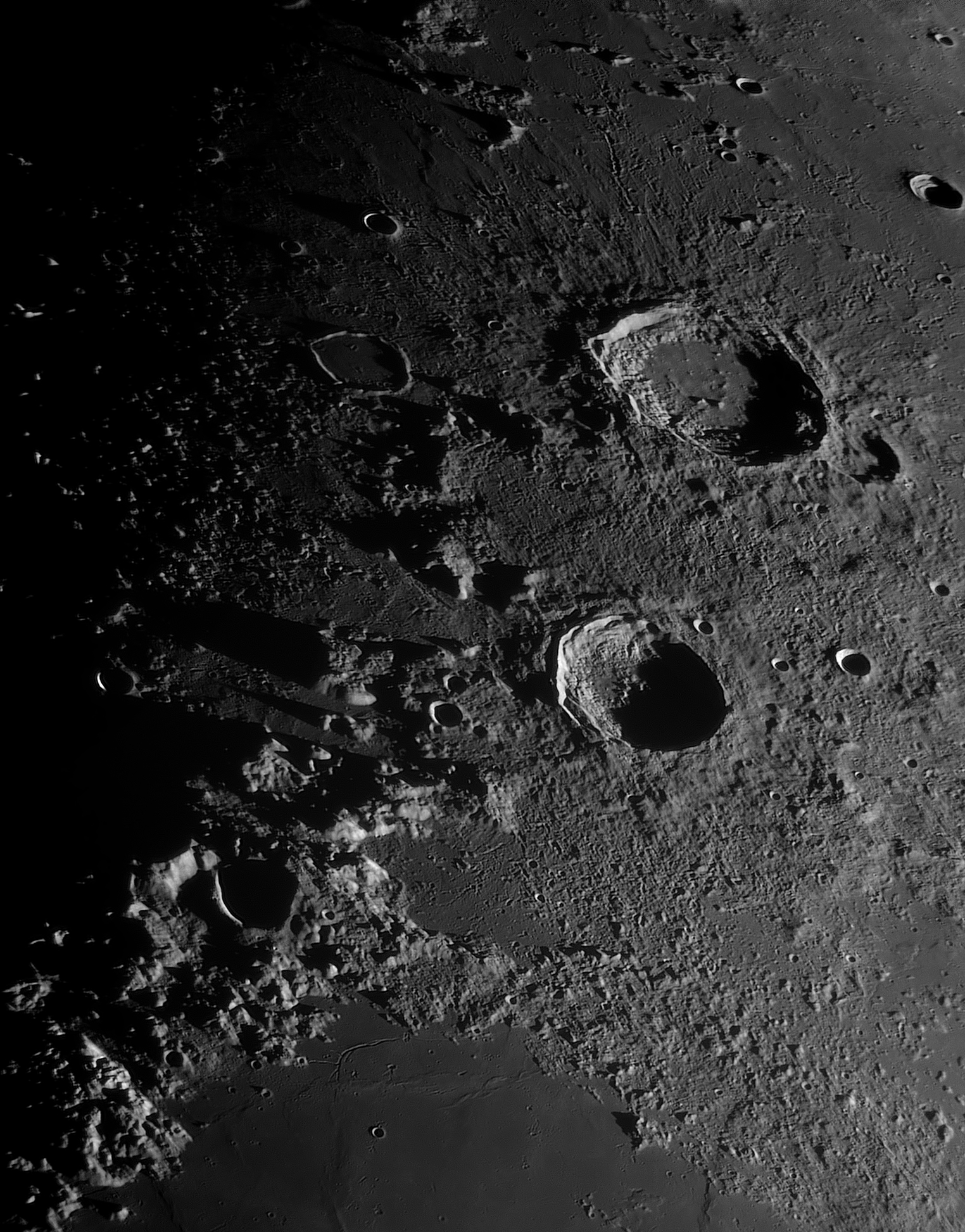
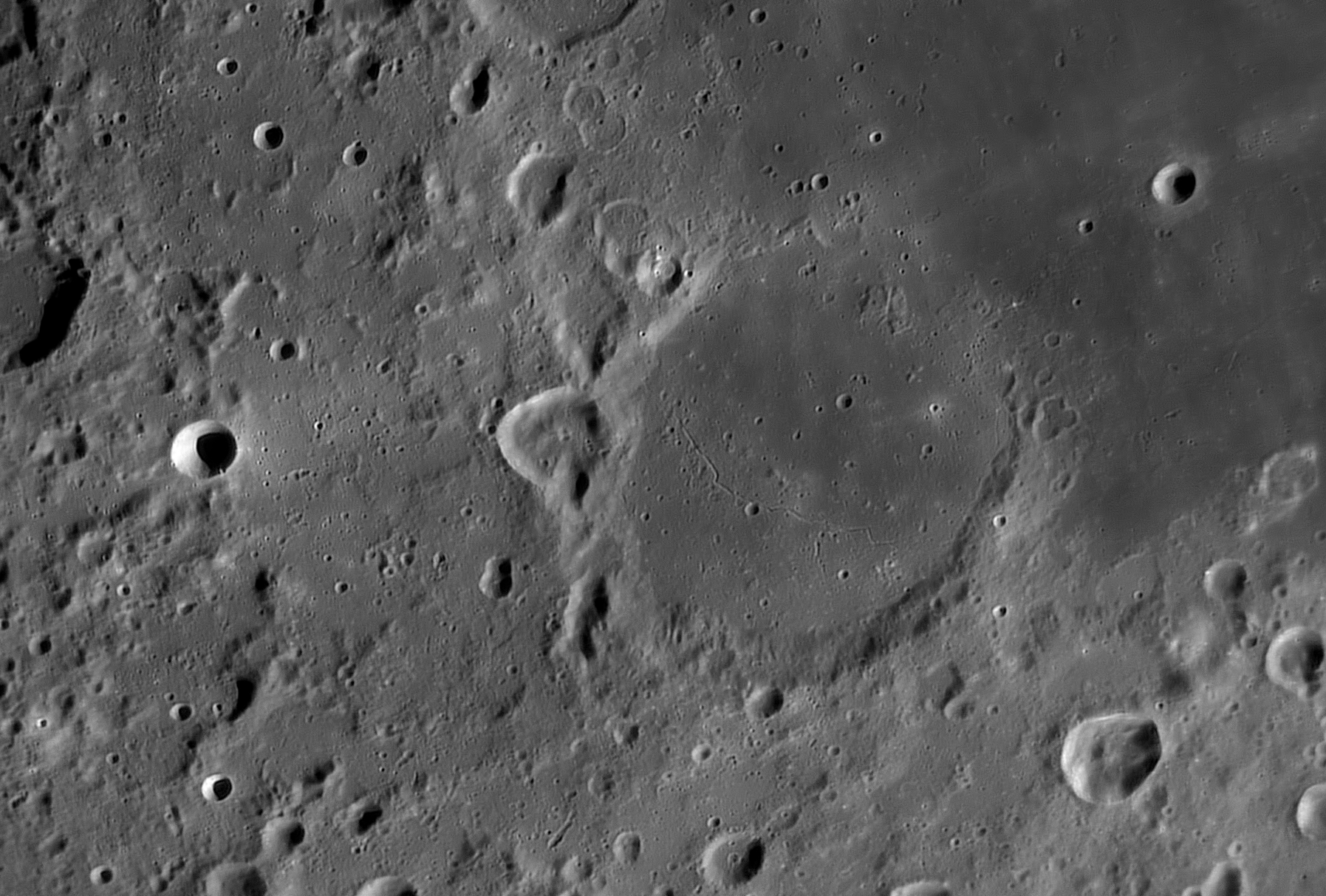
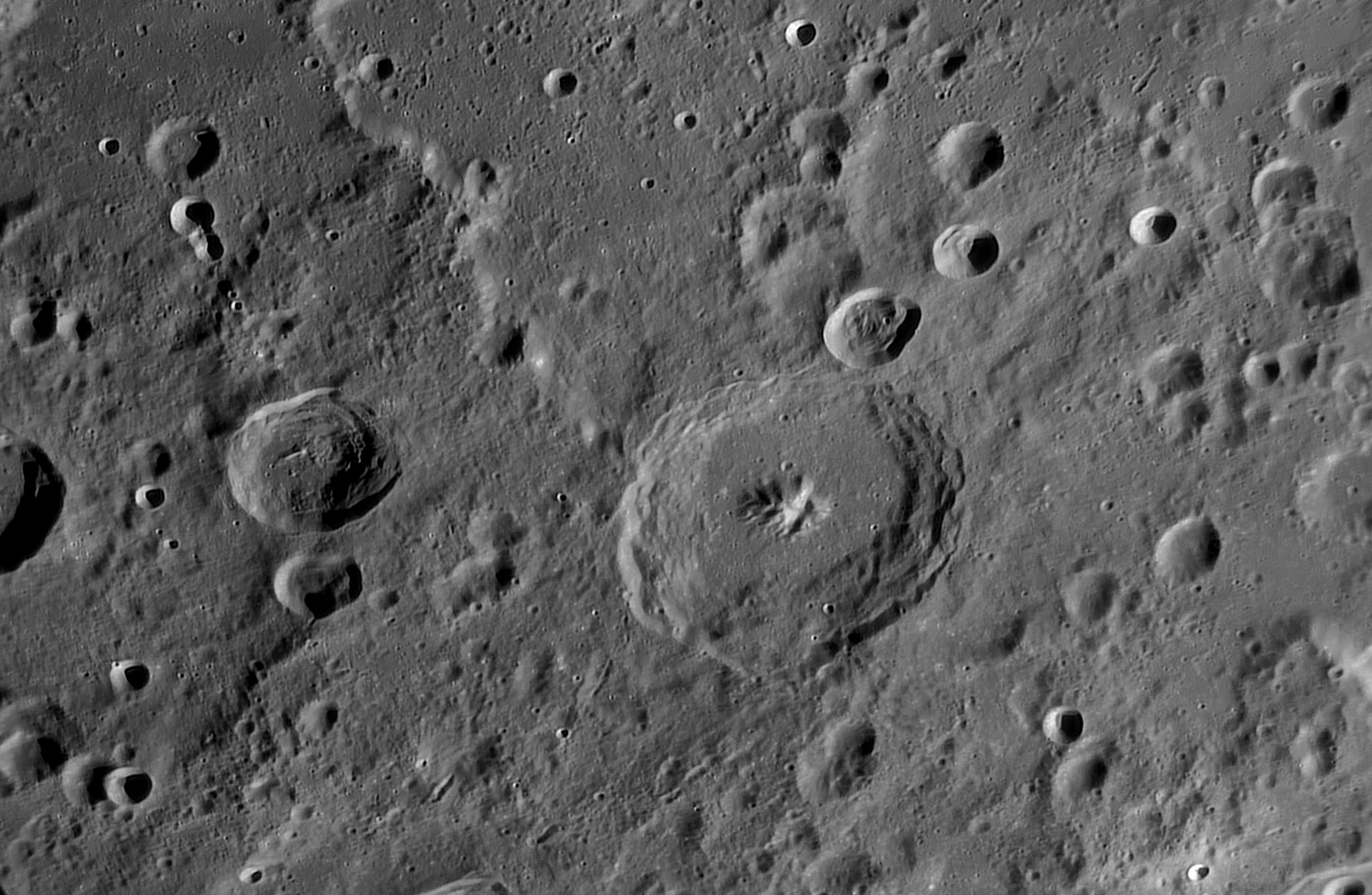
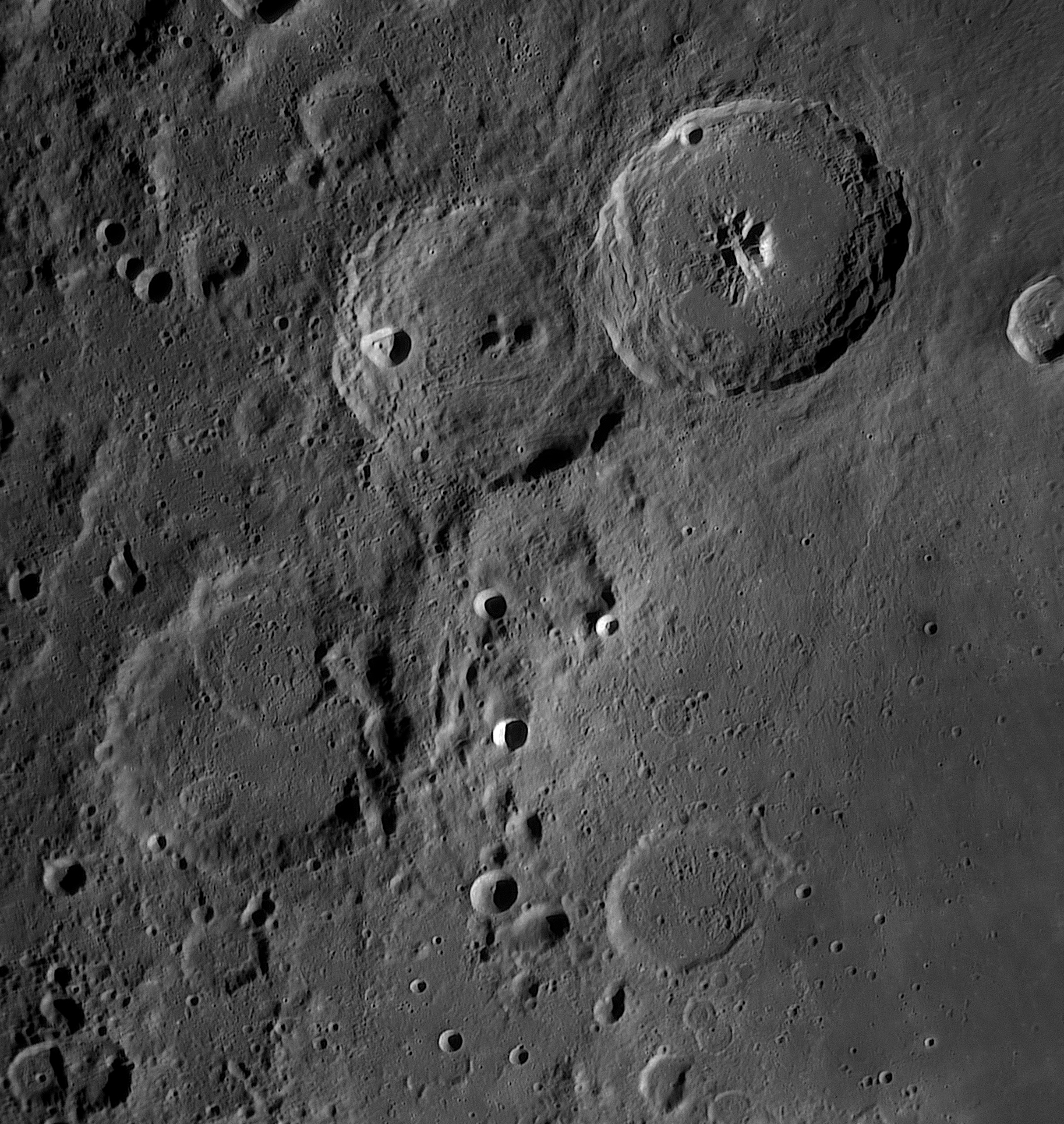
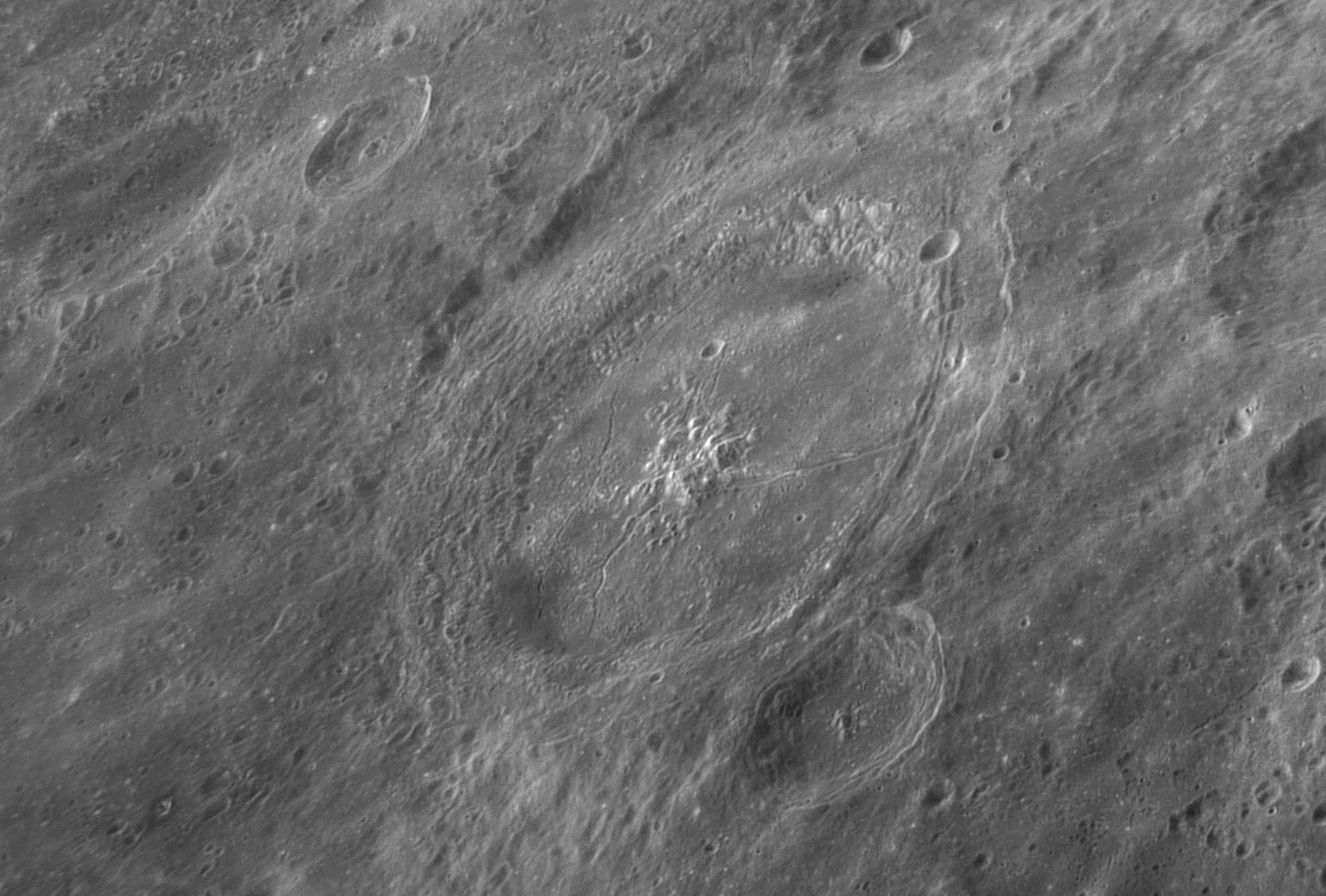
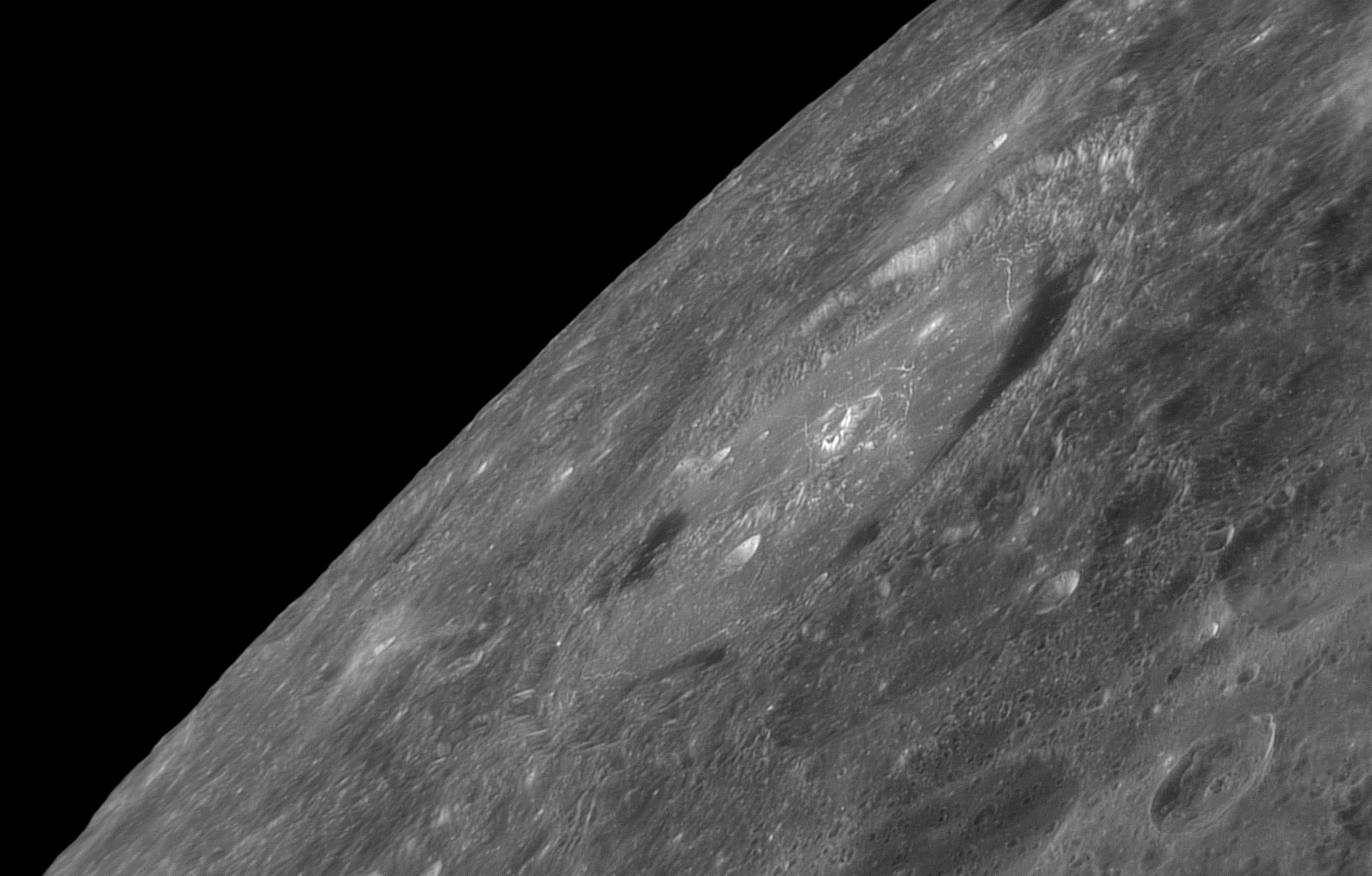
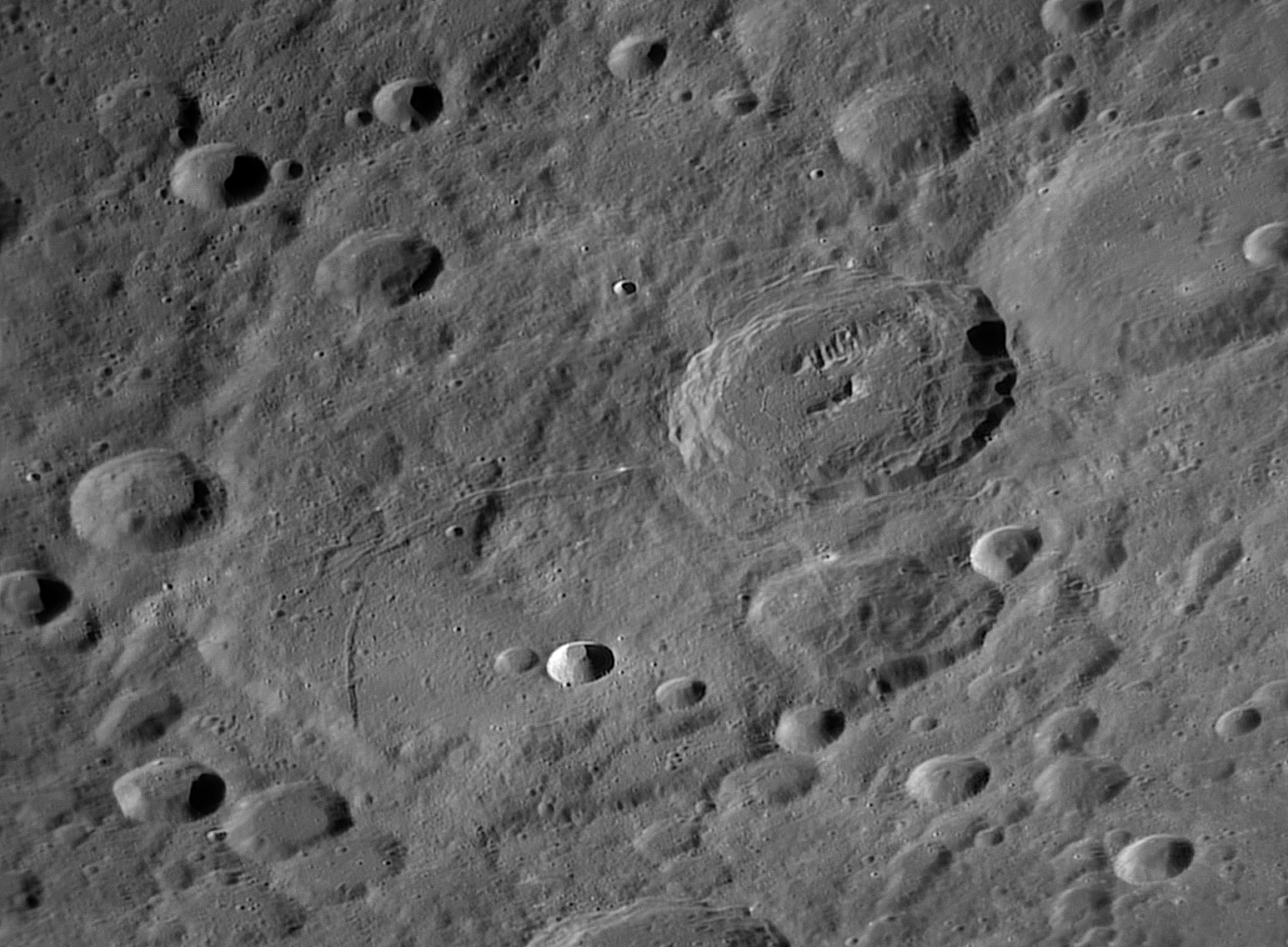
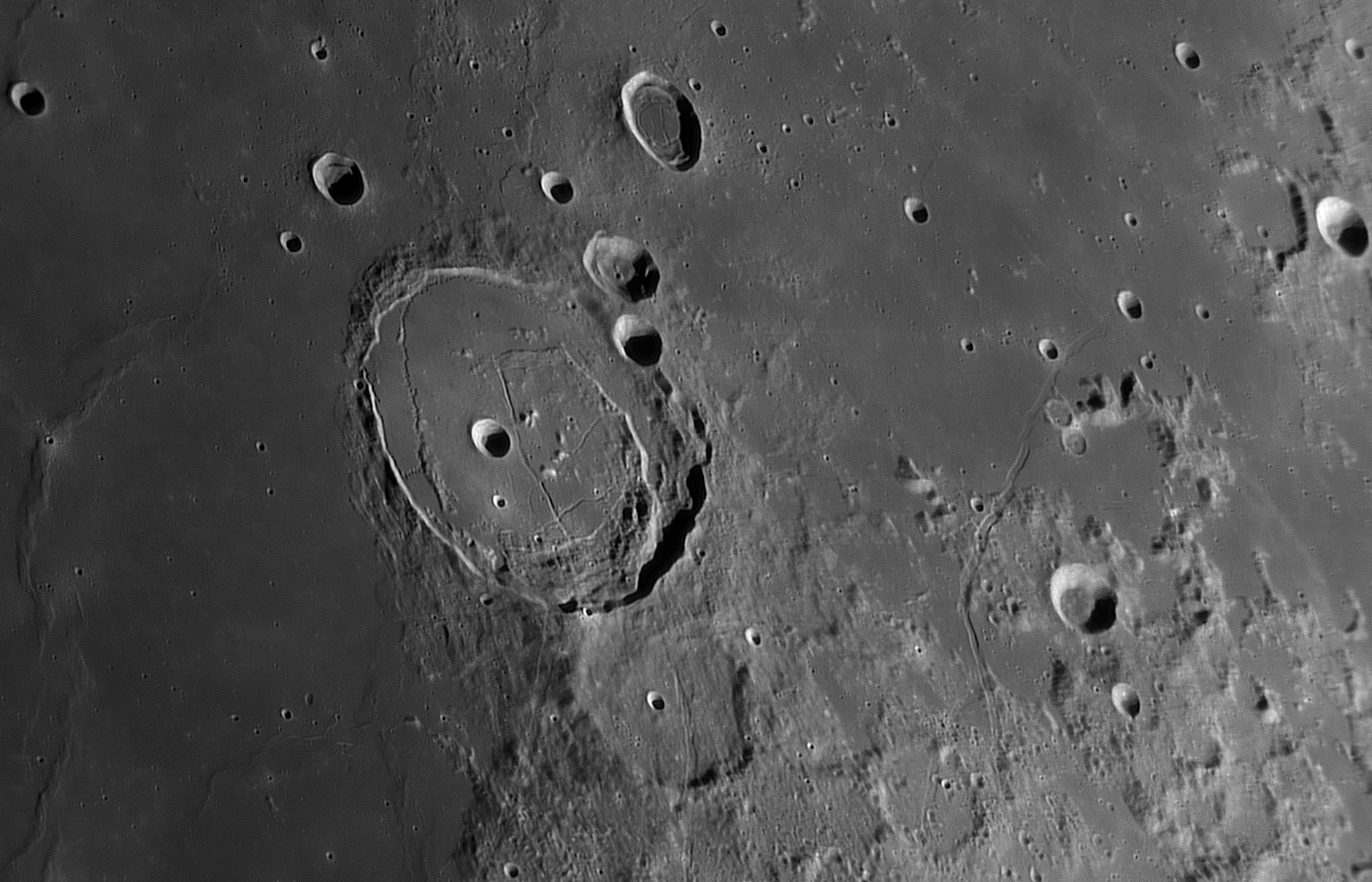
High-res lunar shots of February 16
Some good seeing while imaging the Moon with the 14inch Newtonian. Good enough to use a Green filter. Some good to very good resolution at the lunar surface. This is why I’ve pumped up the amplification factor a bit too much
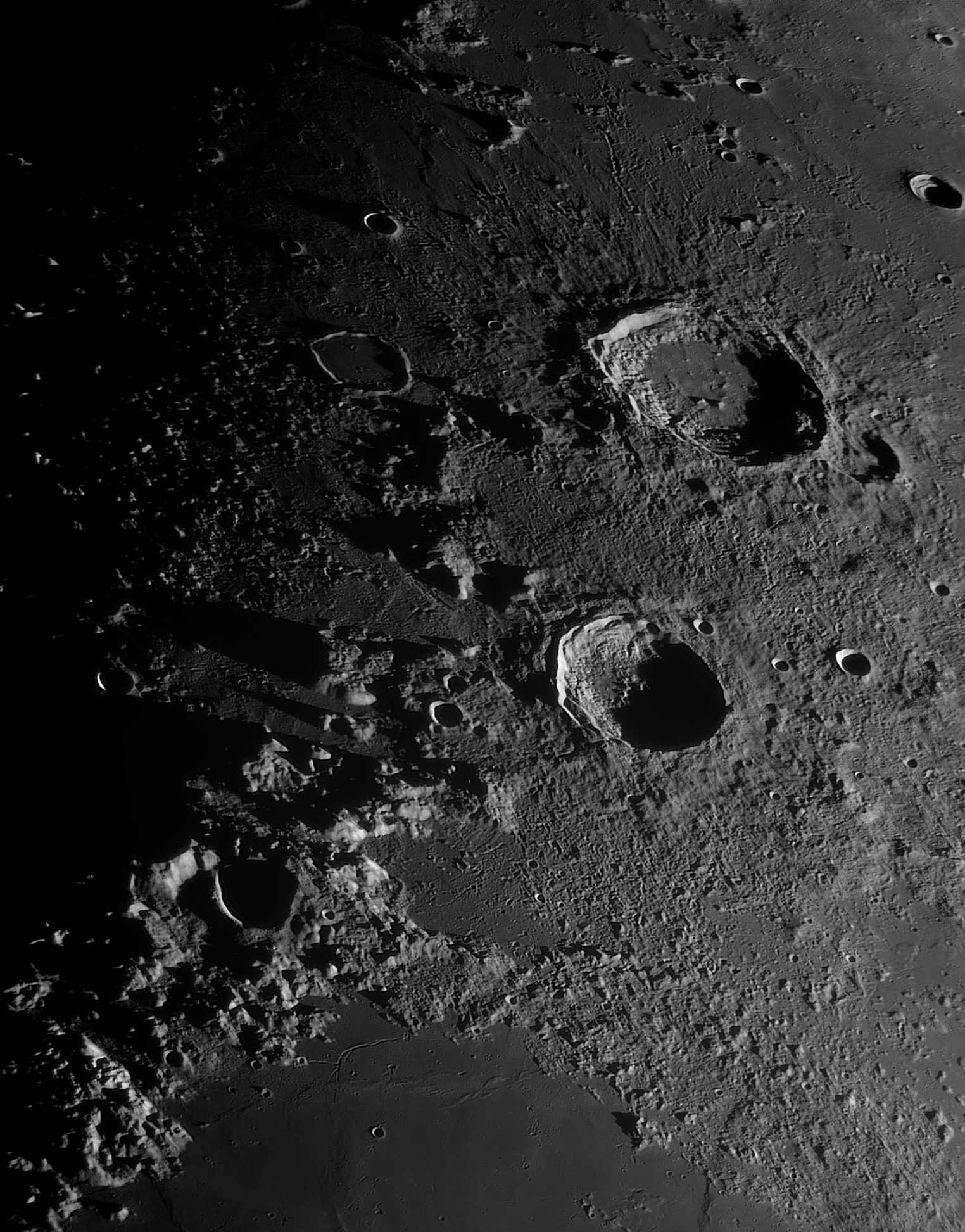

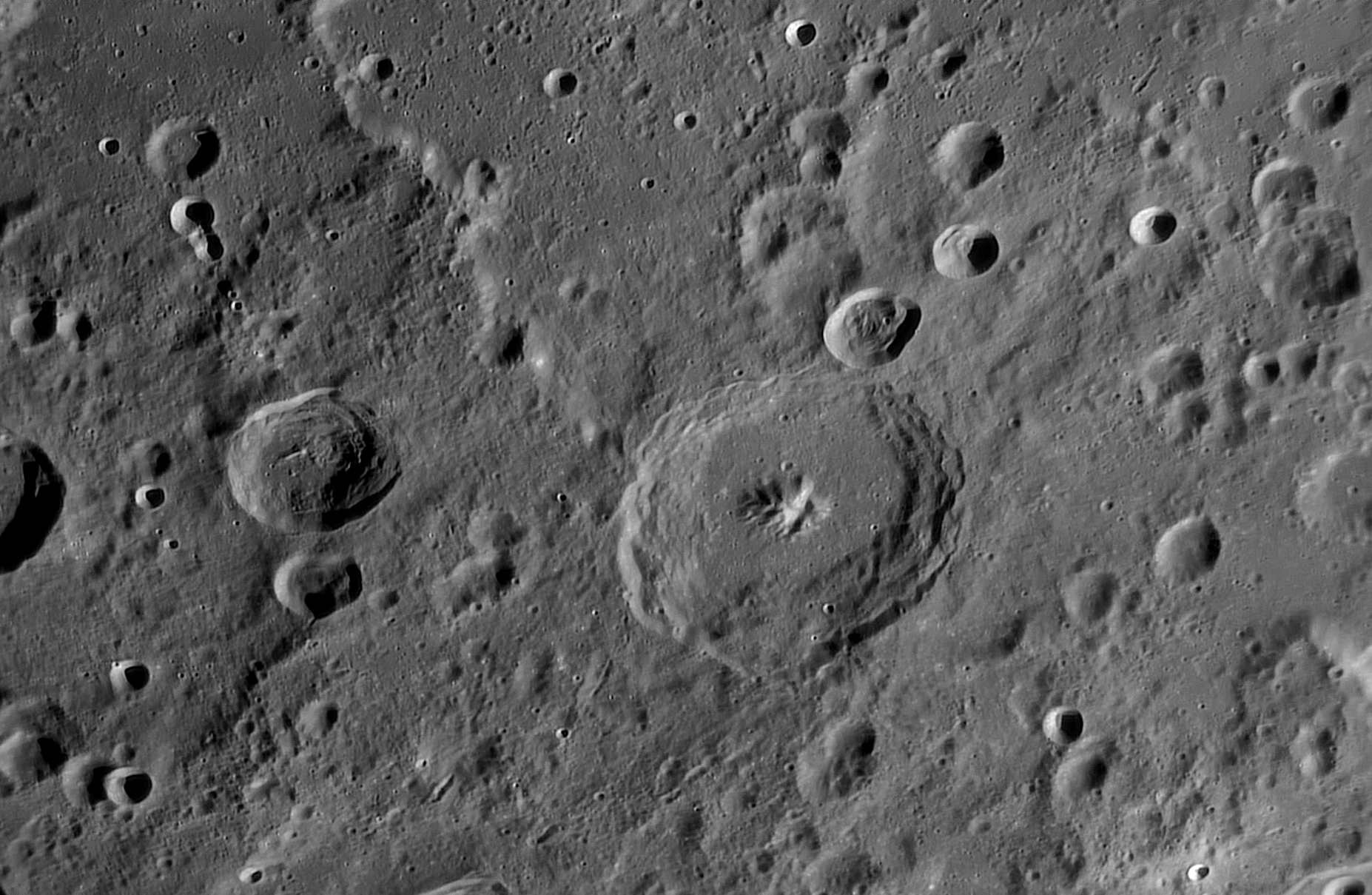
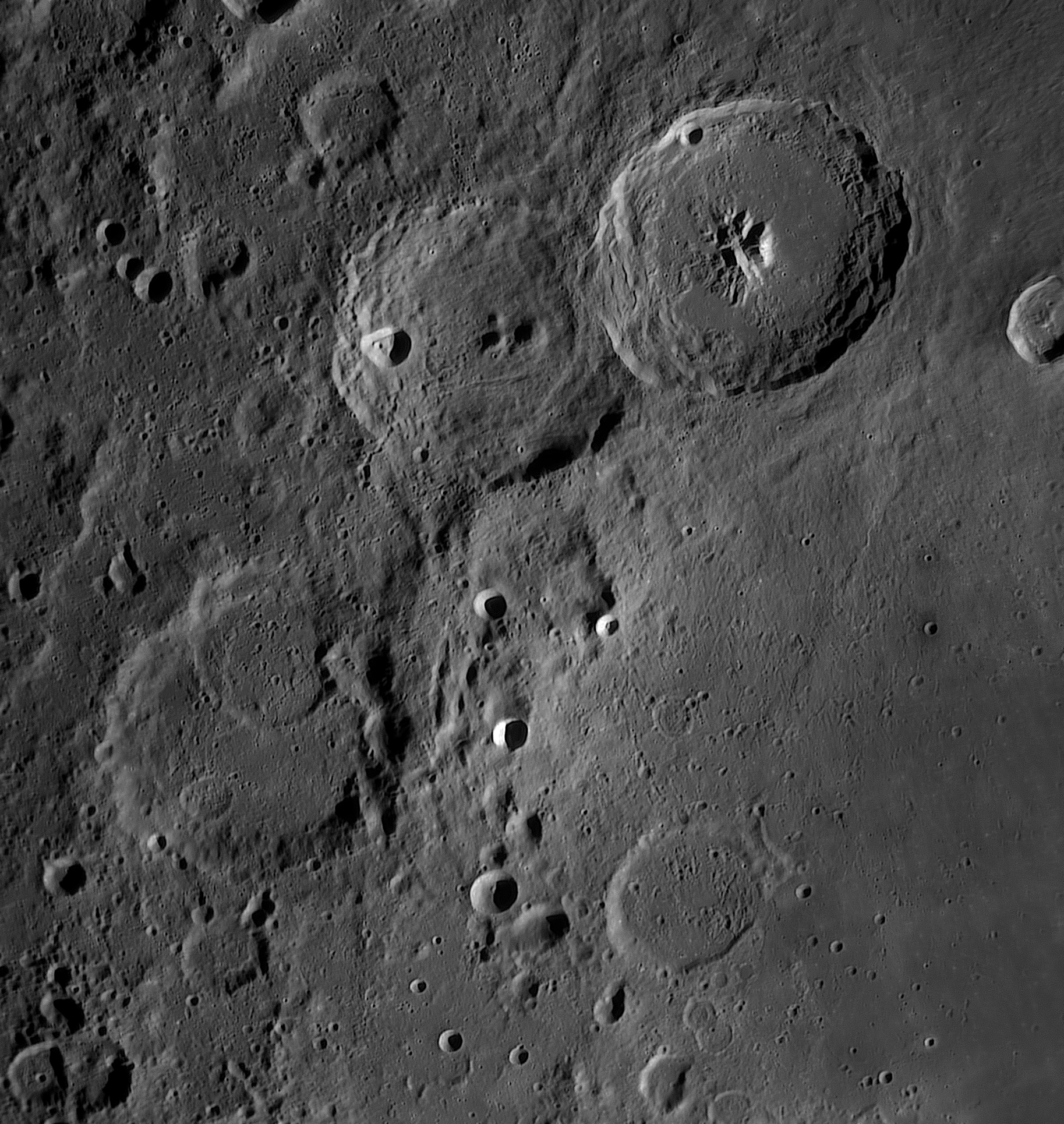
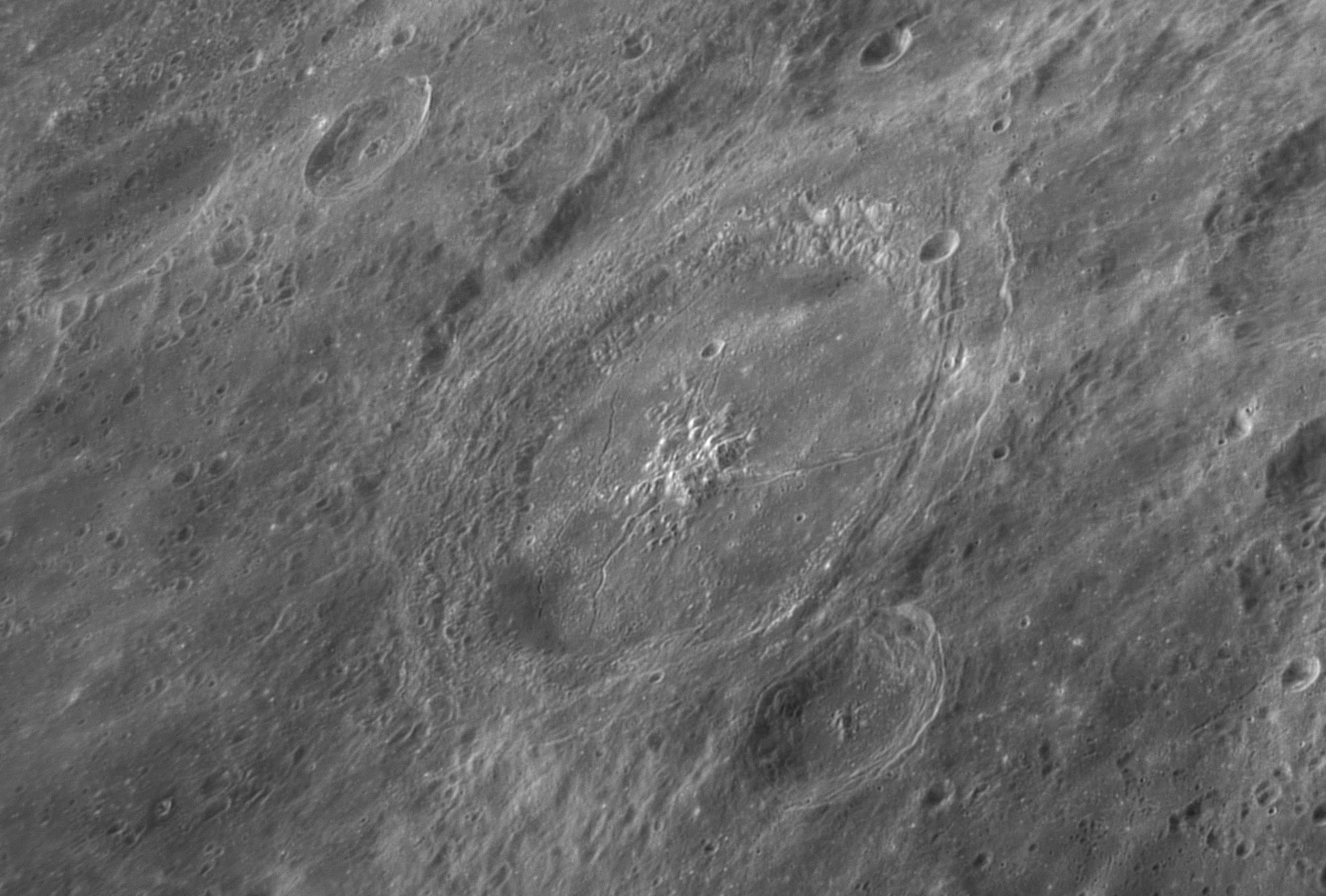
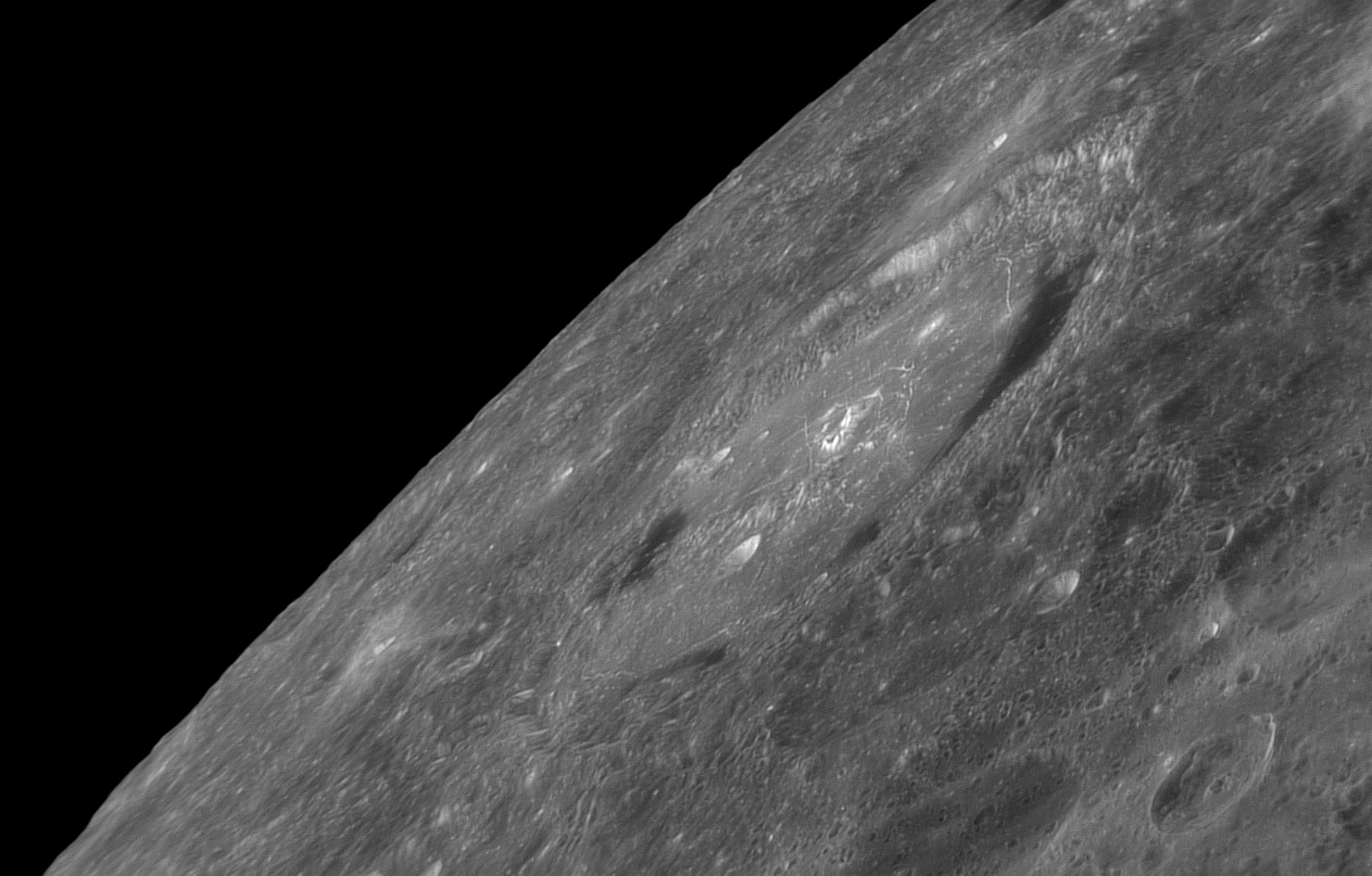
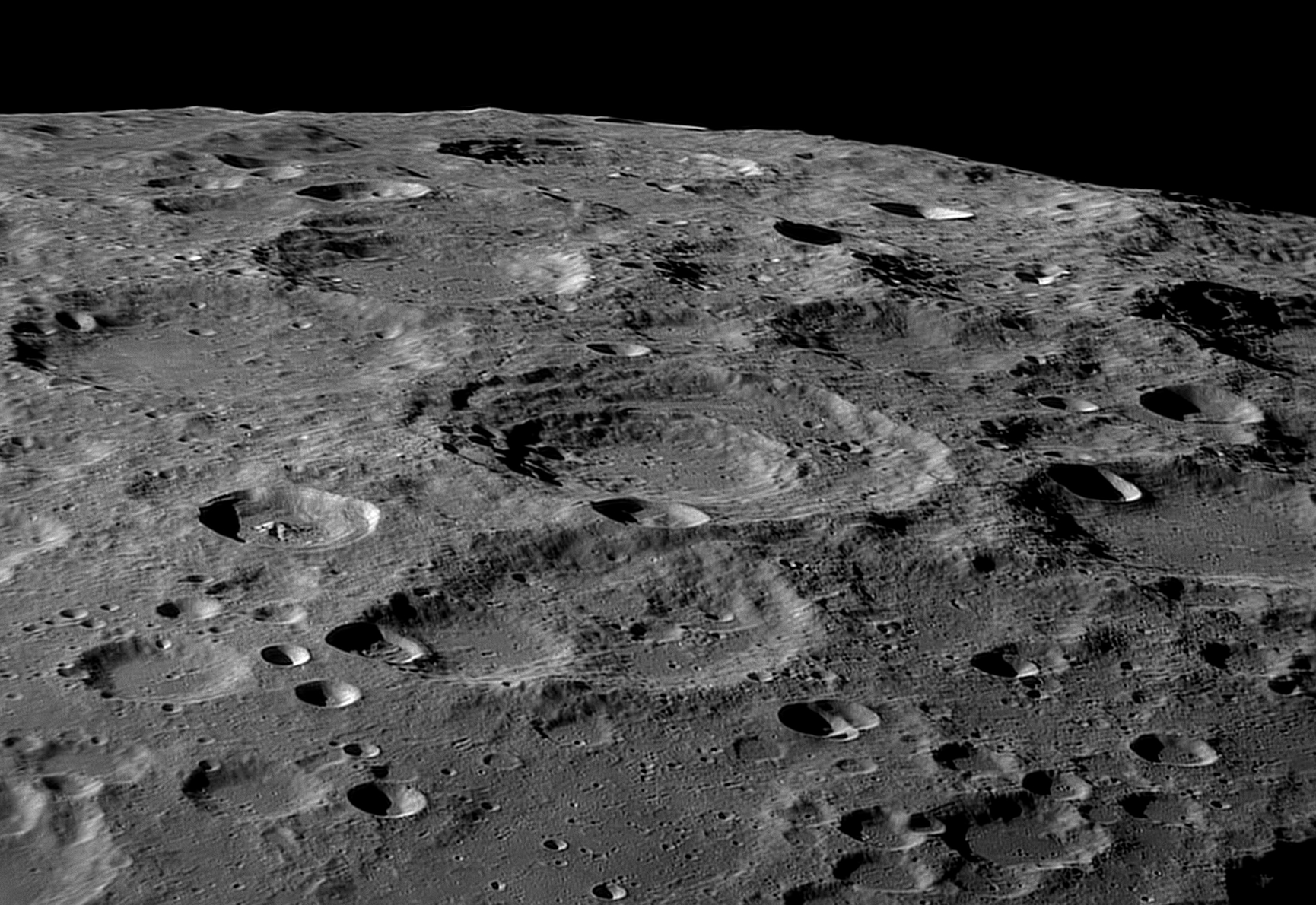
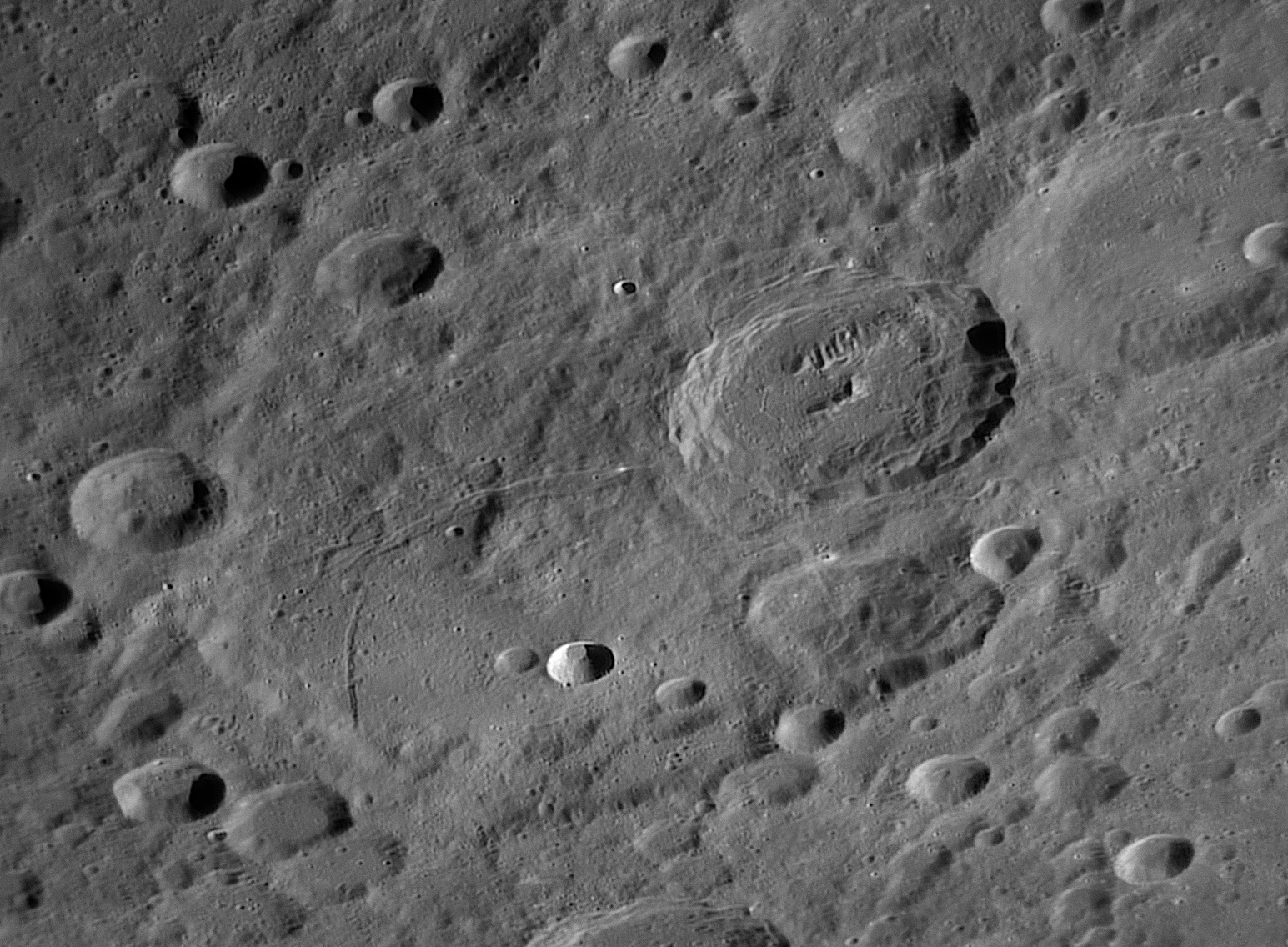
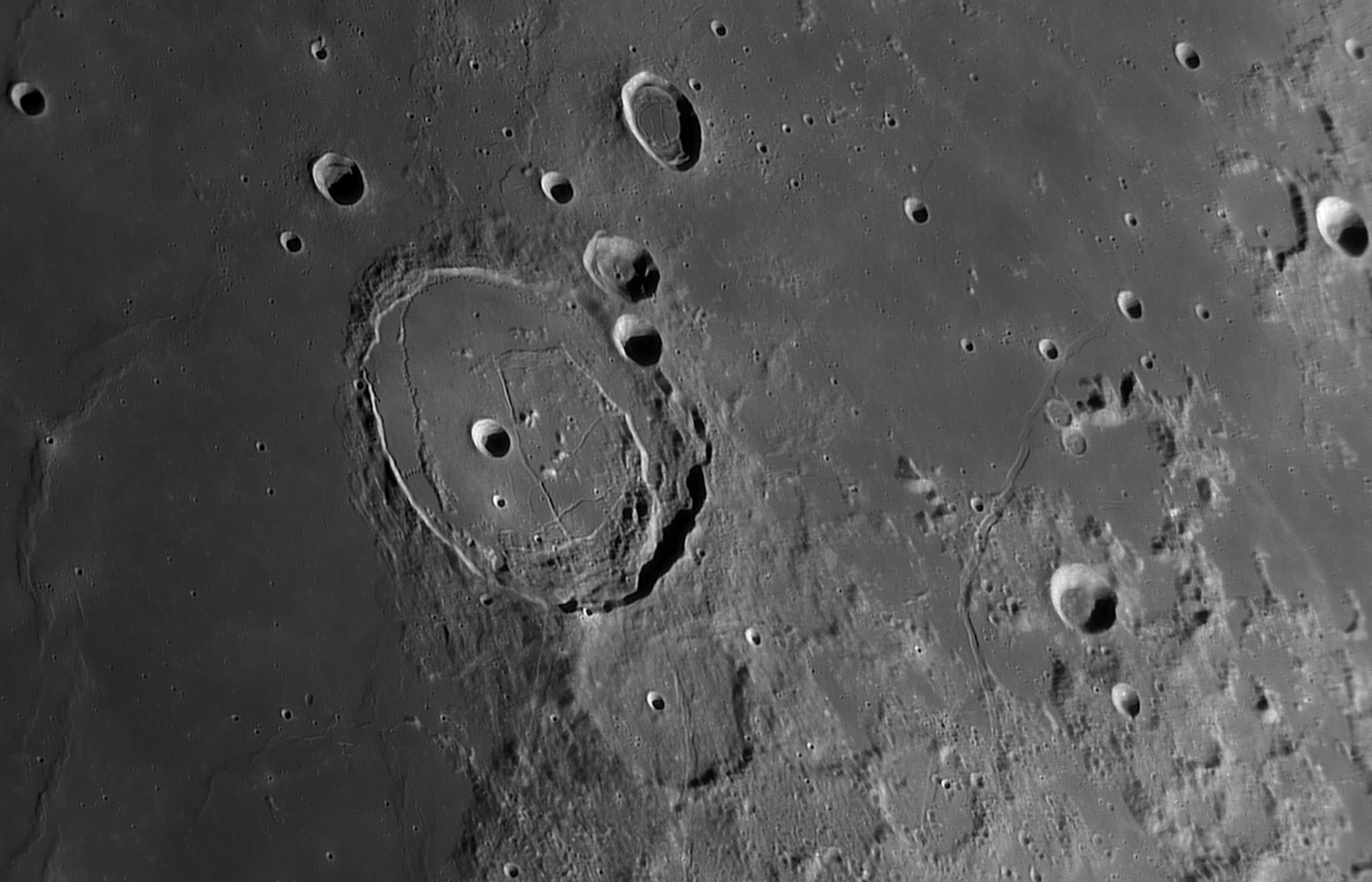
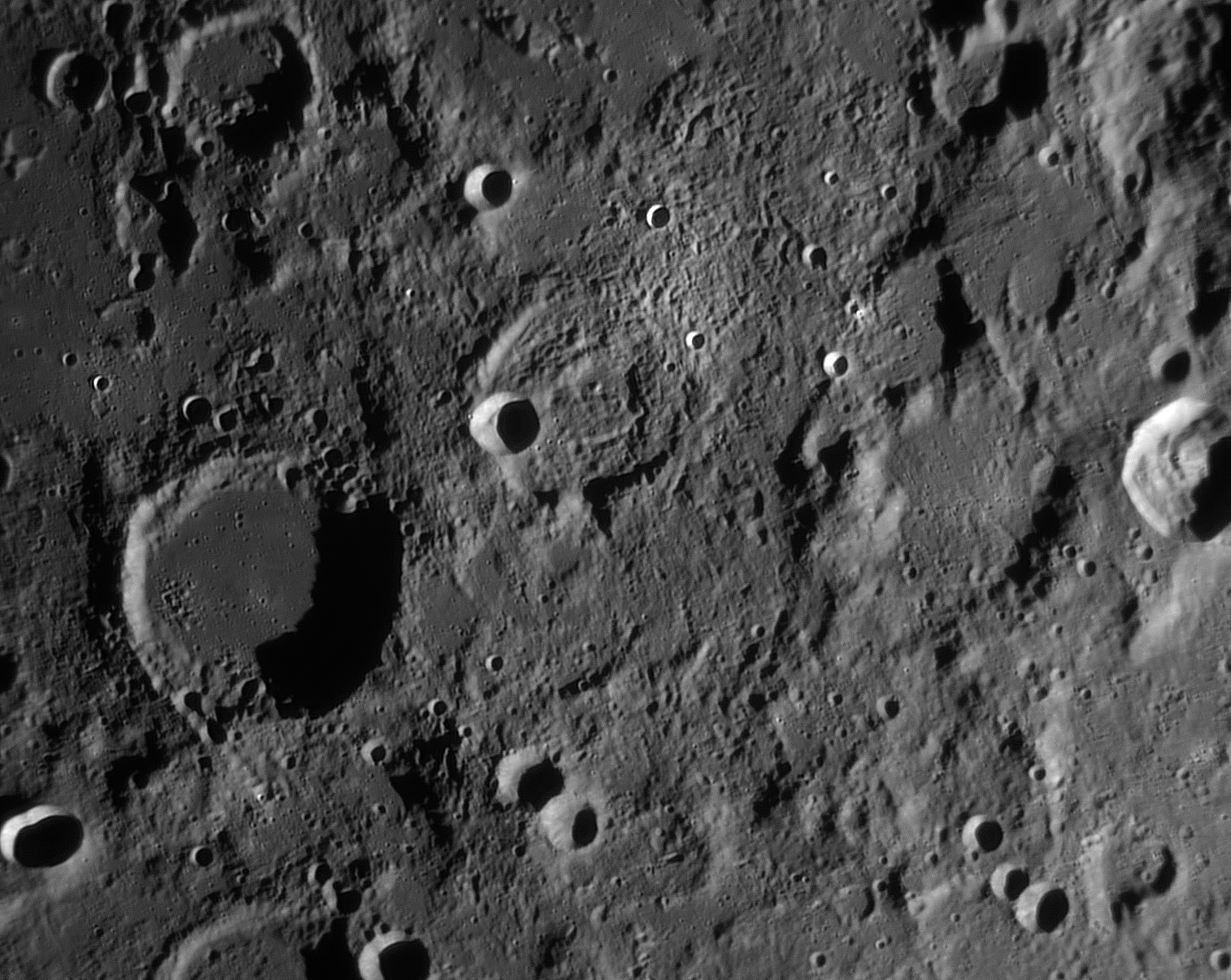
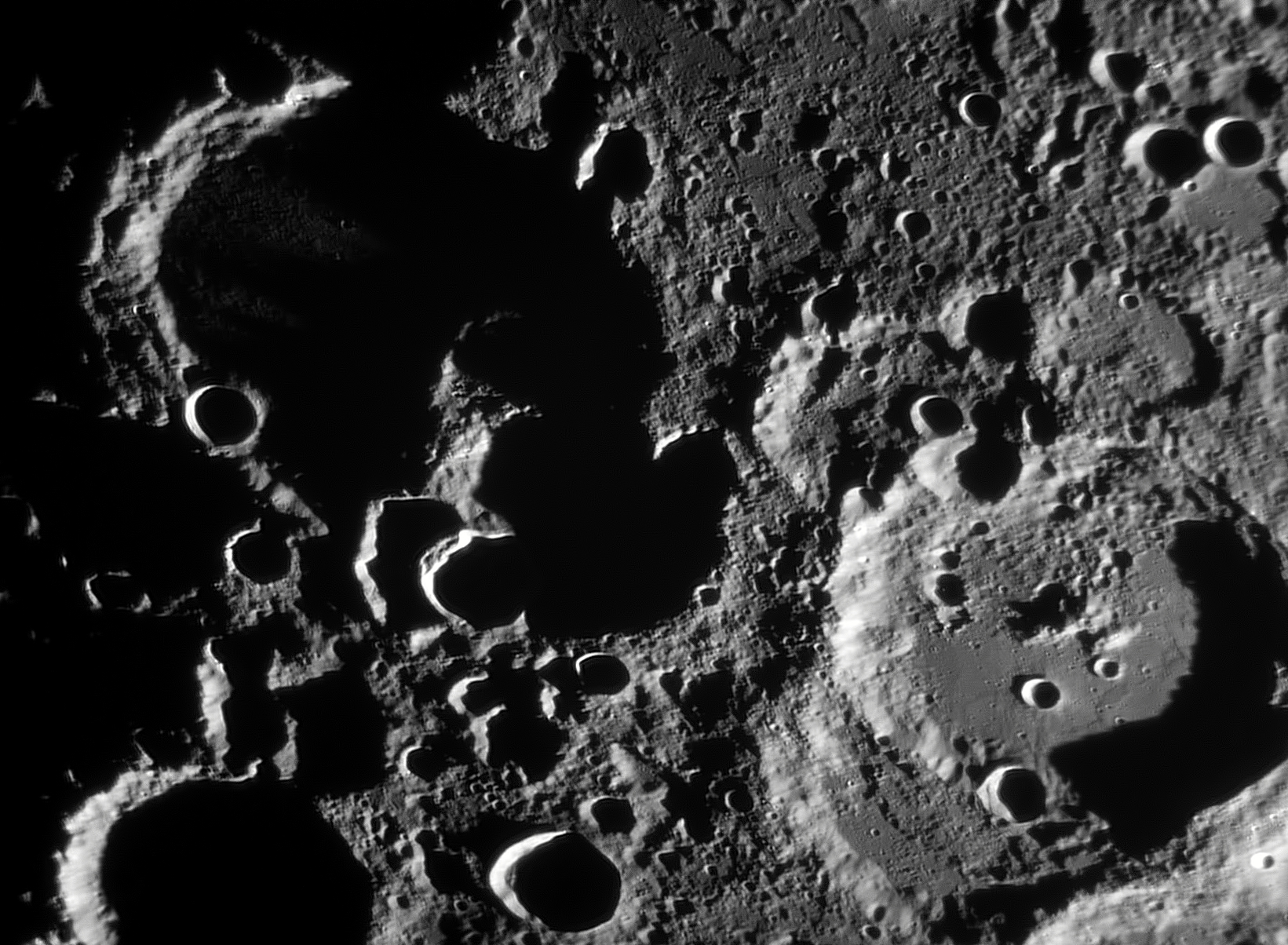
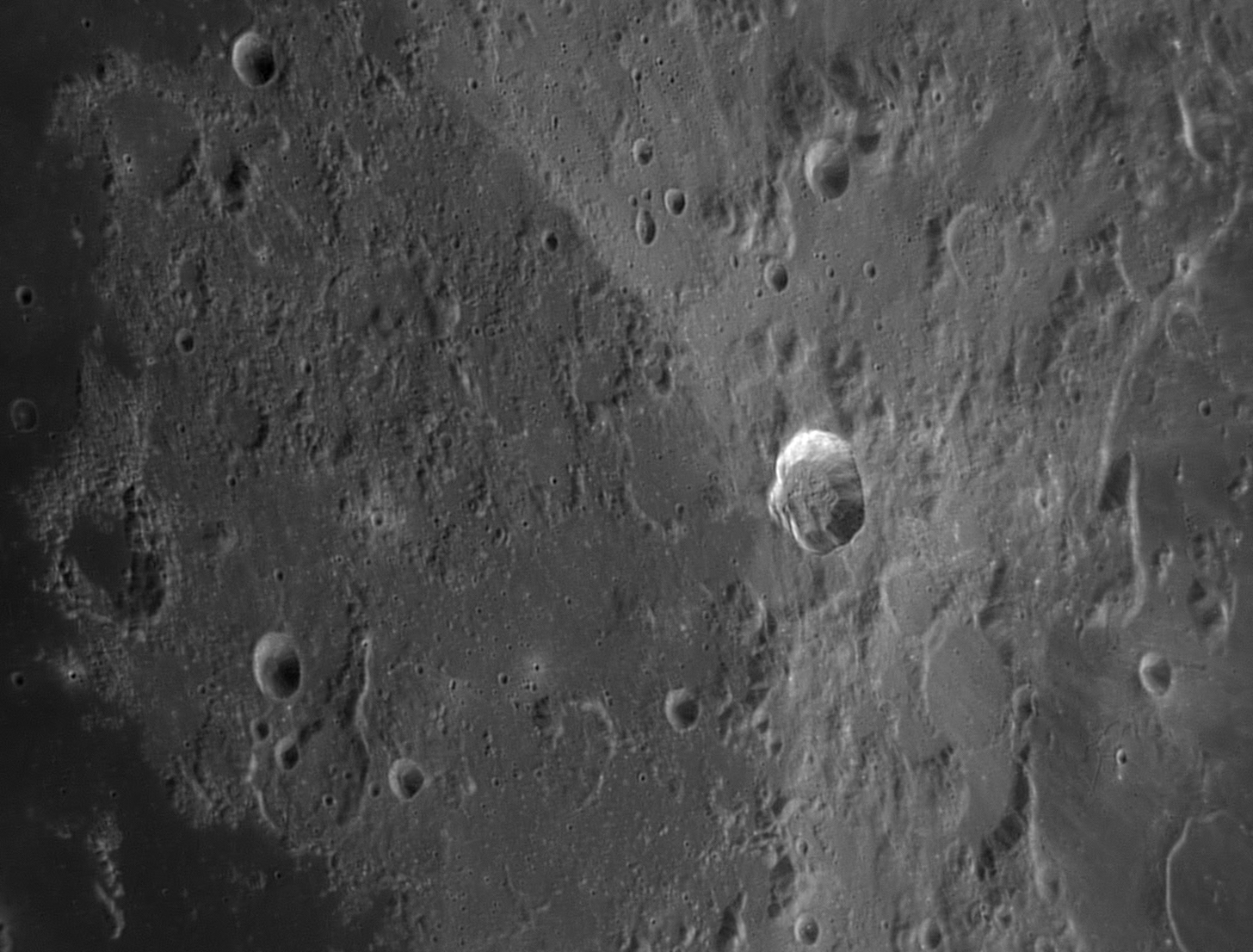
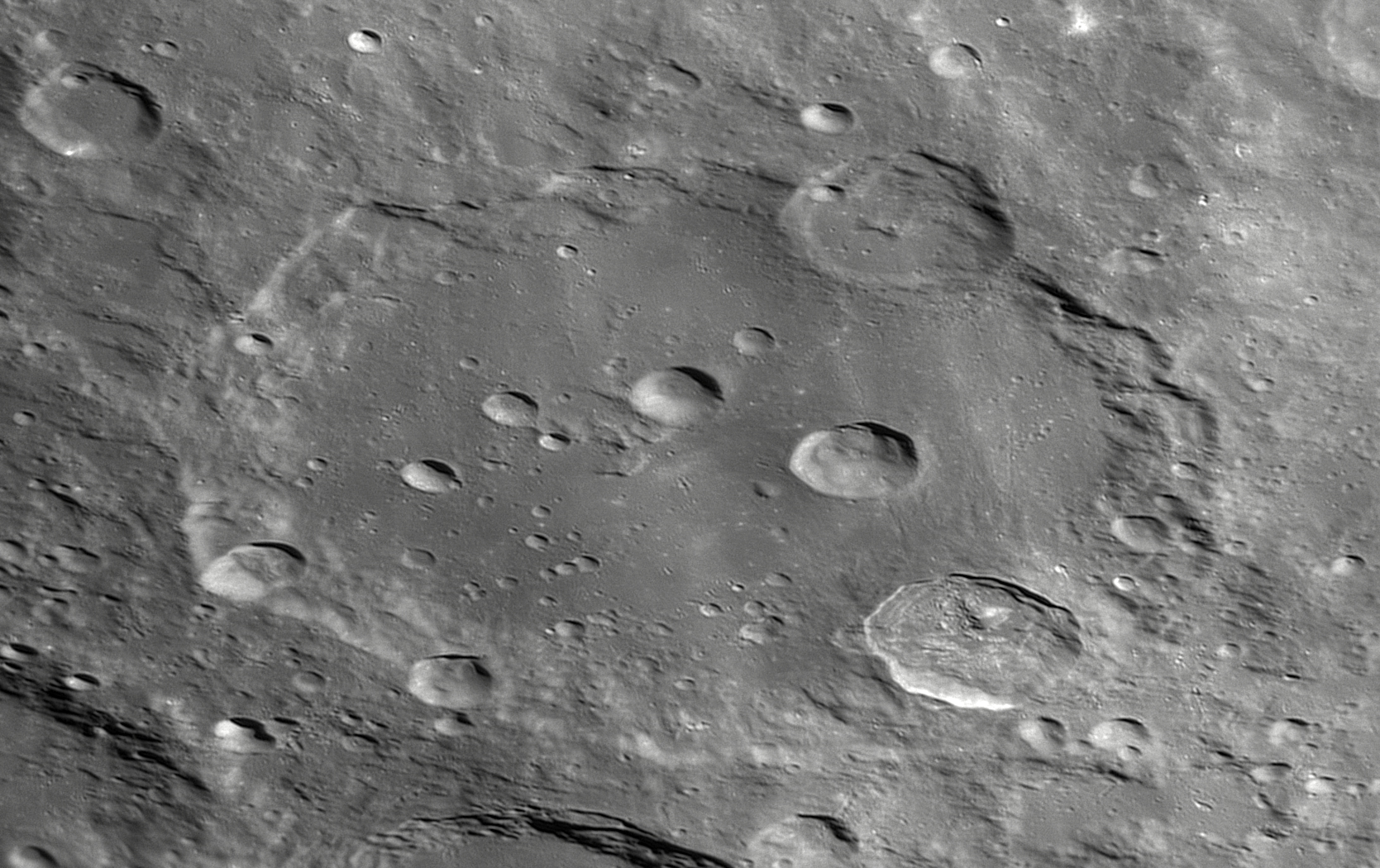
High-res lunar shots of February 17
Another good session with the 355mm, despite some fog and dew on the secondary mirror. The seeing was good, but not quite like on the previous evening. Green filter with the 174MM.
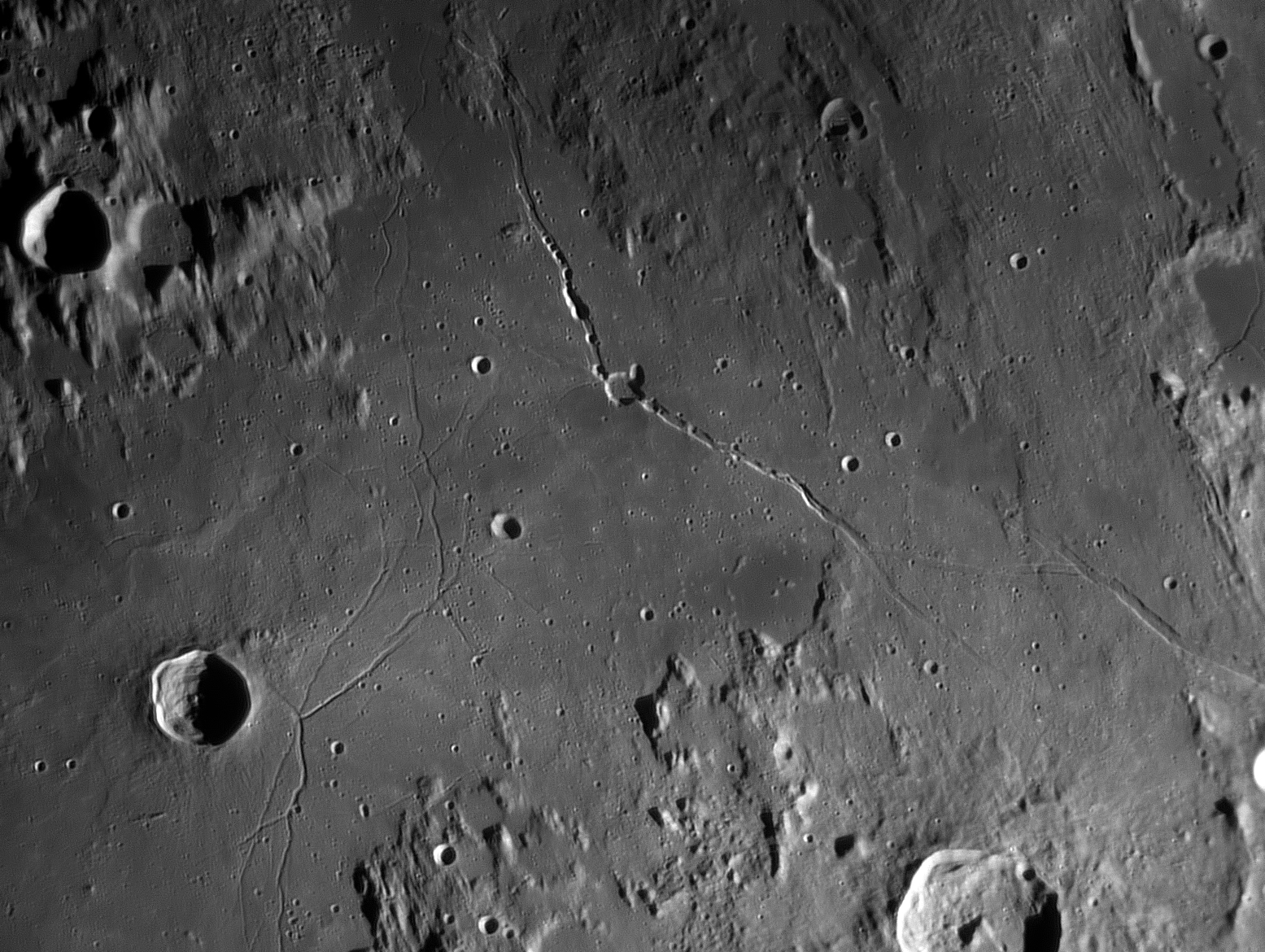
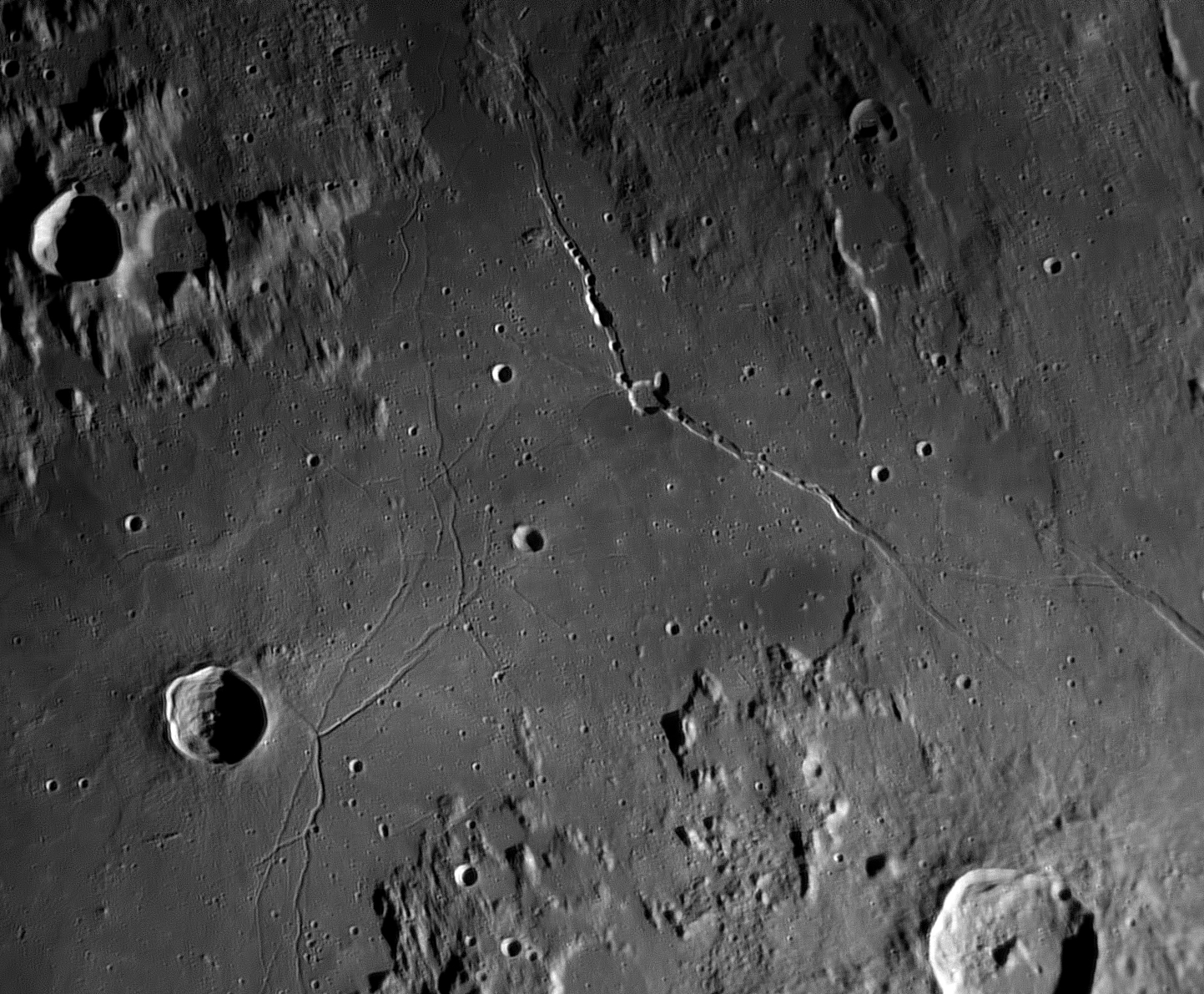
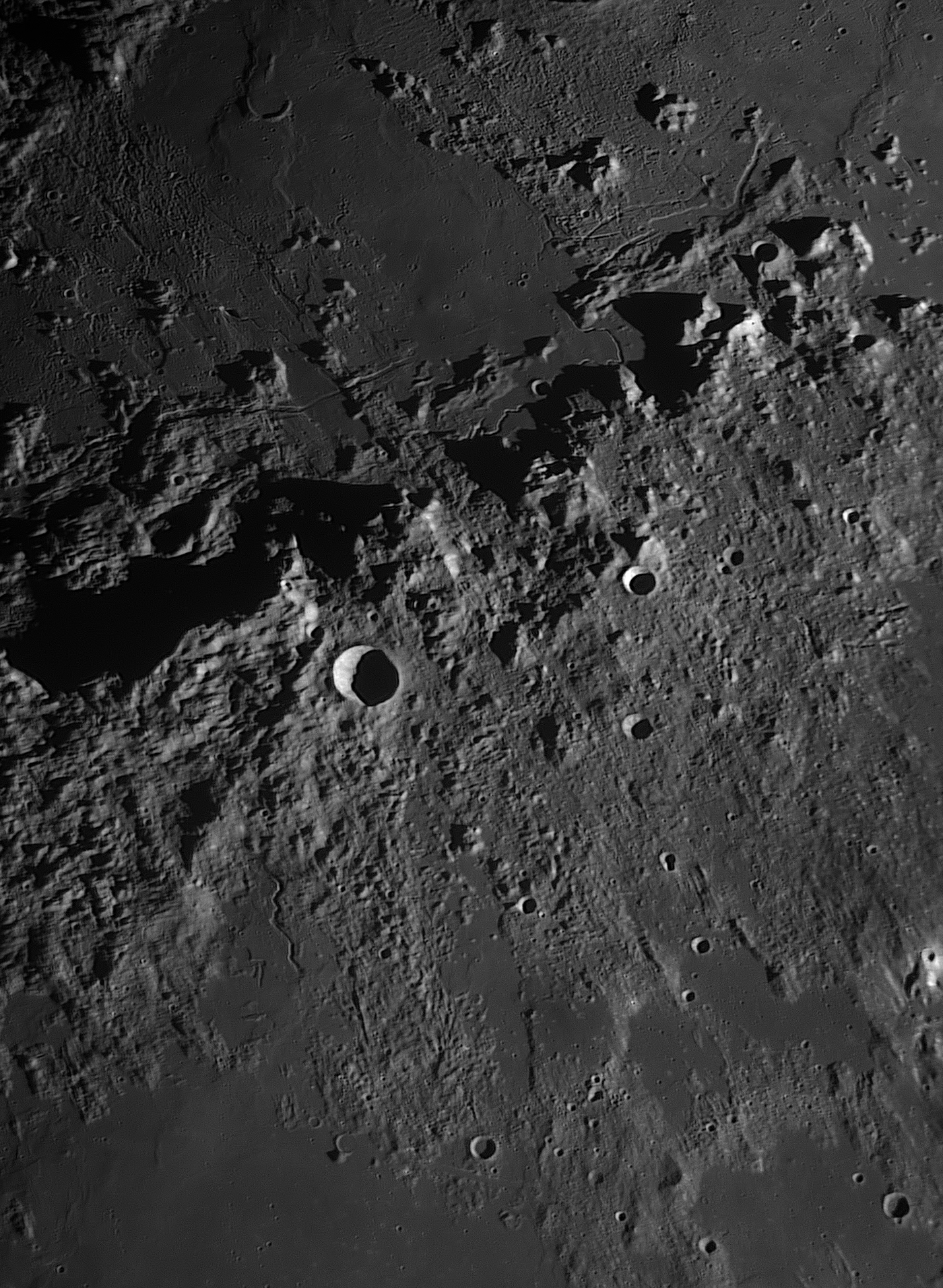
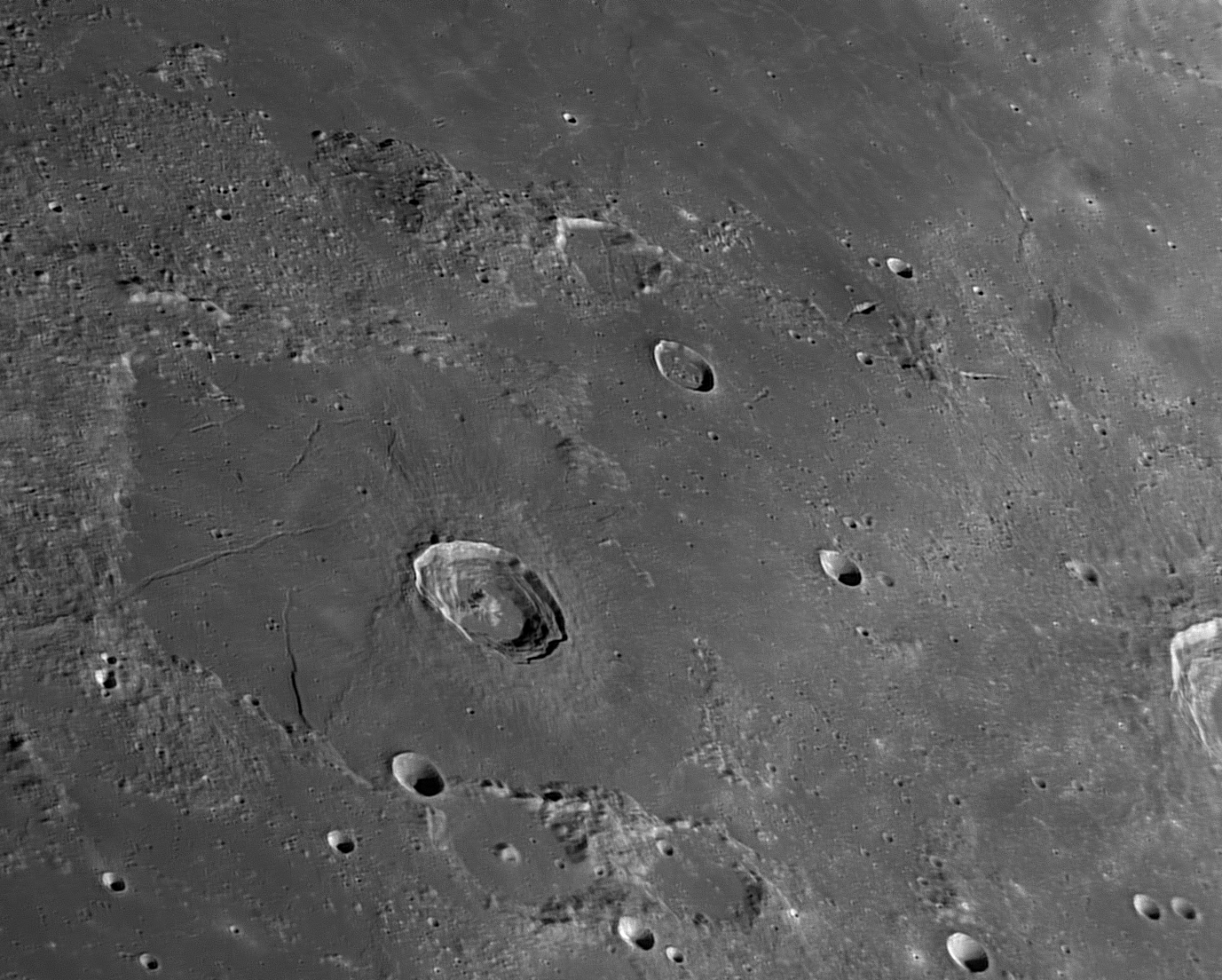
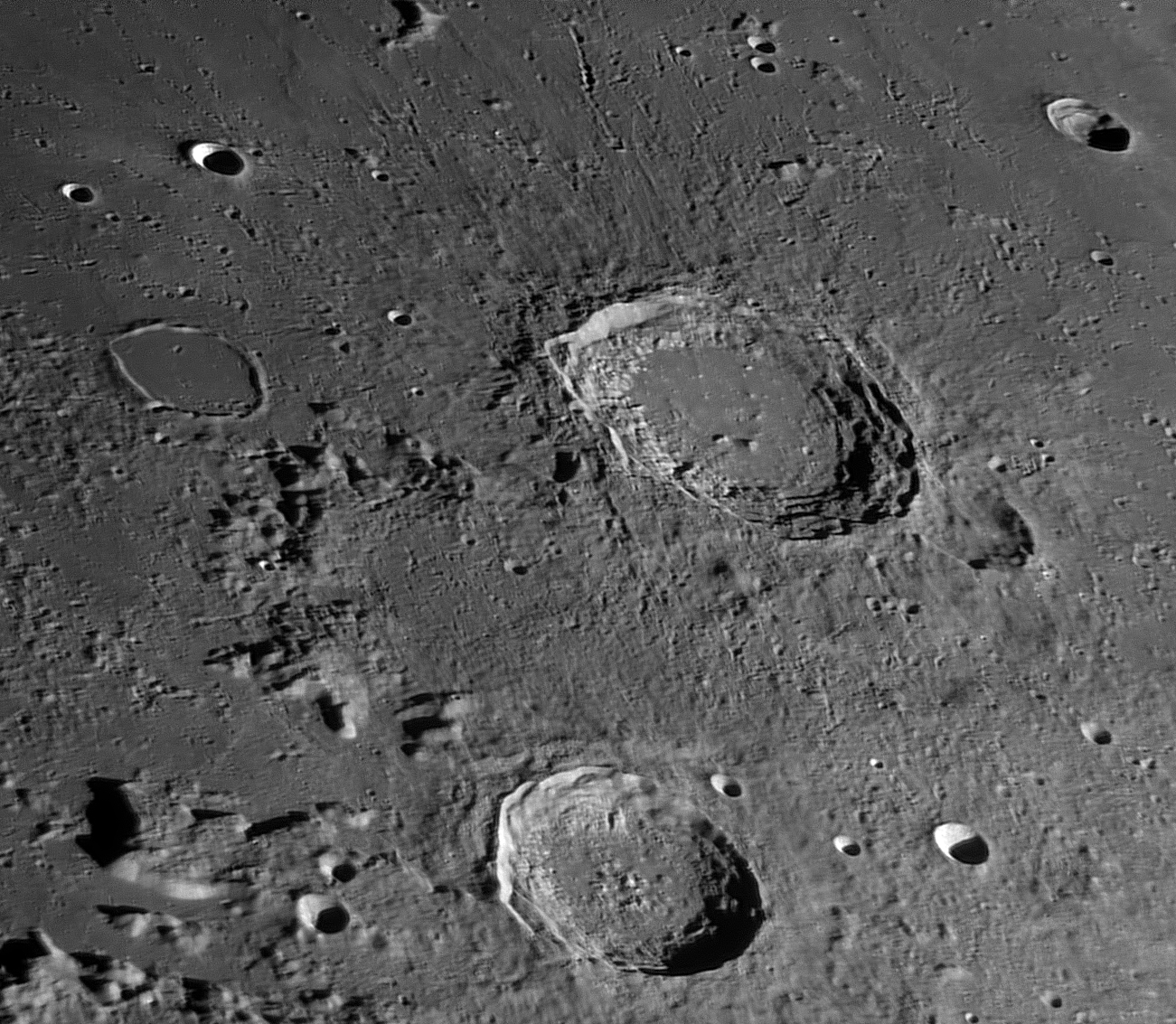
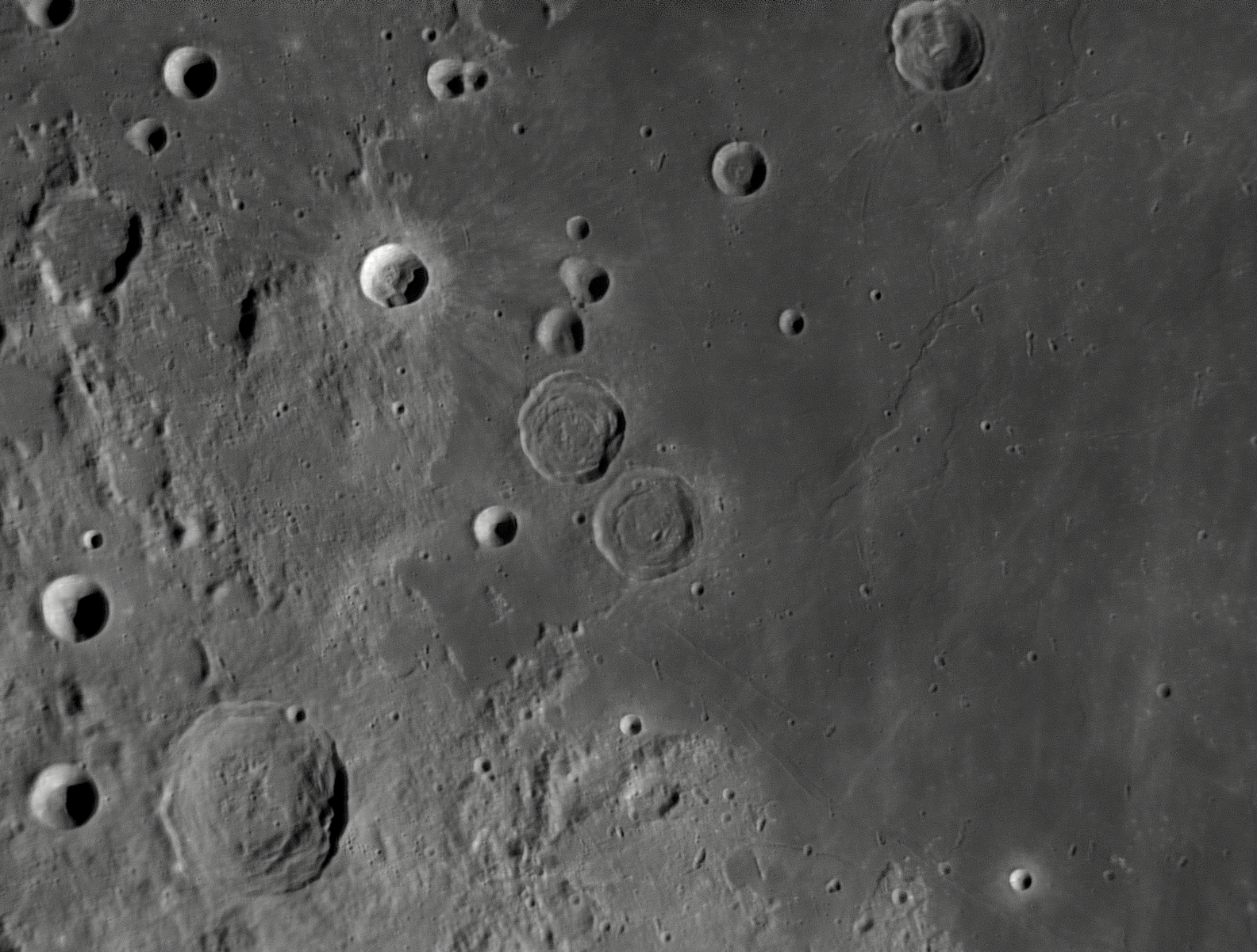
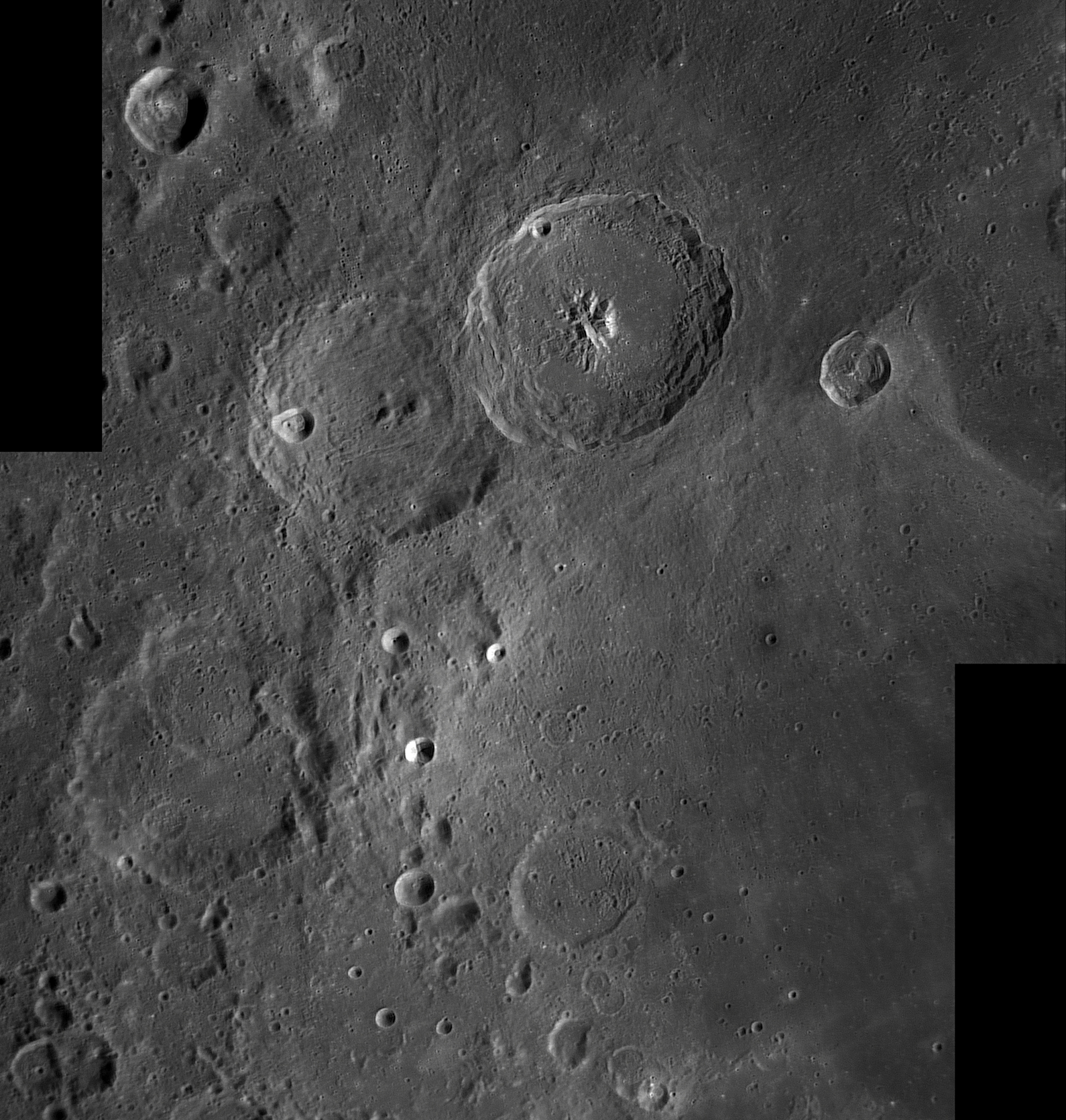
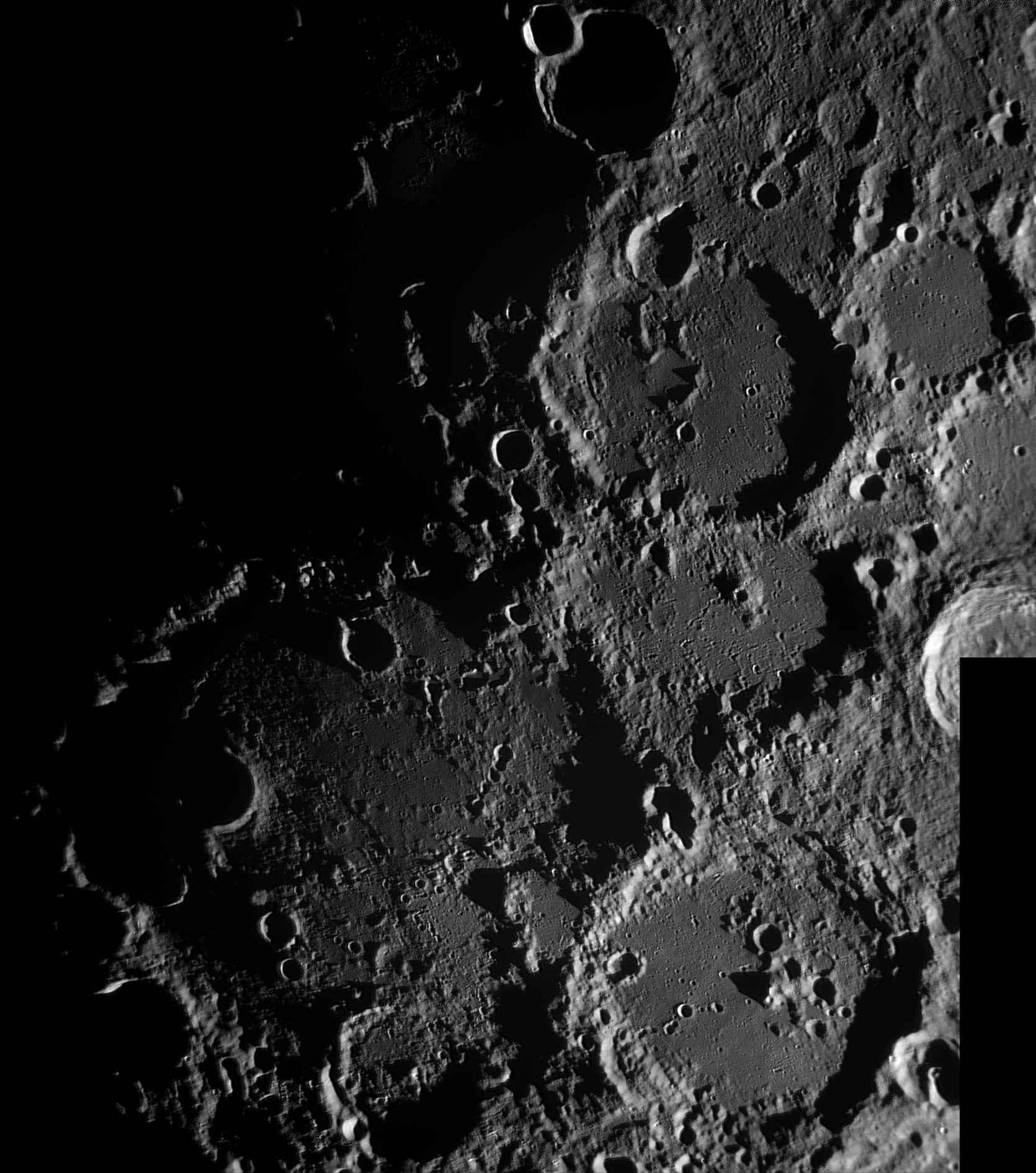
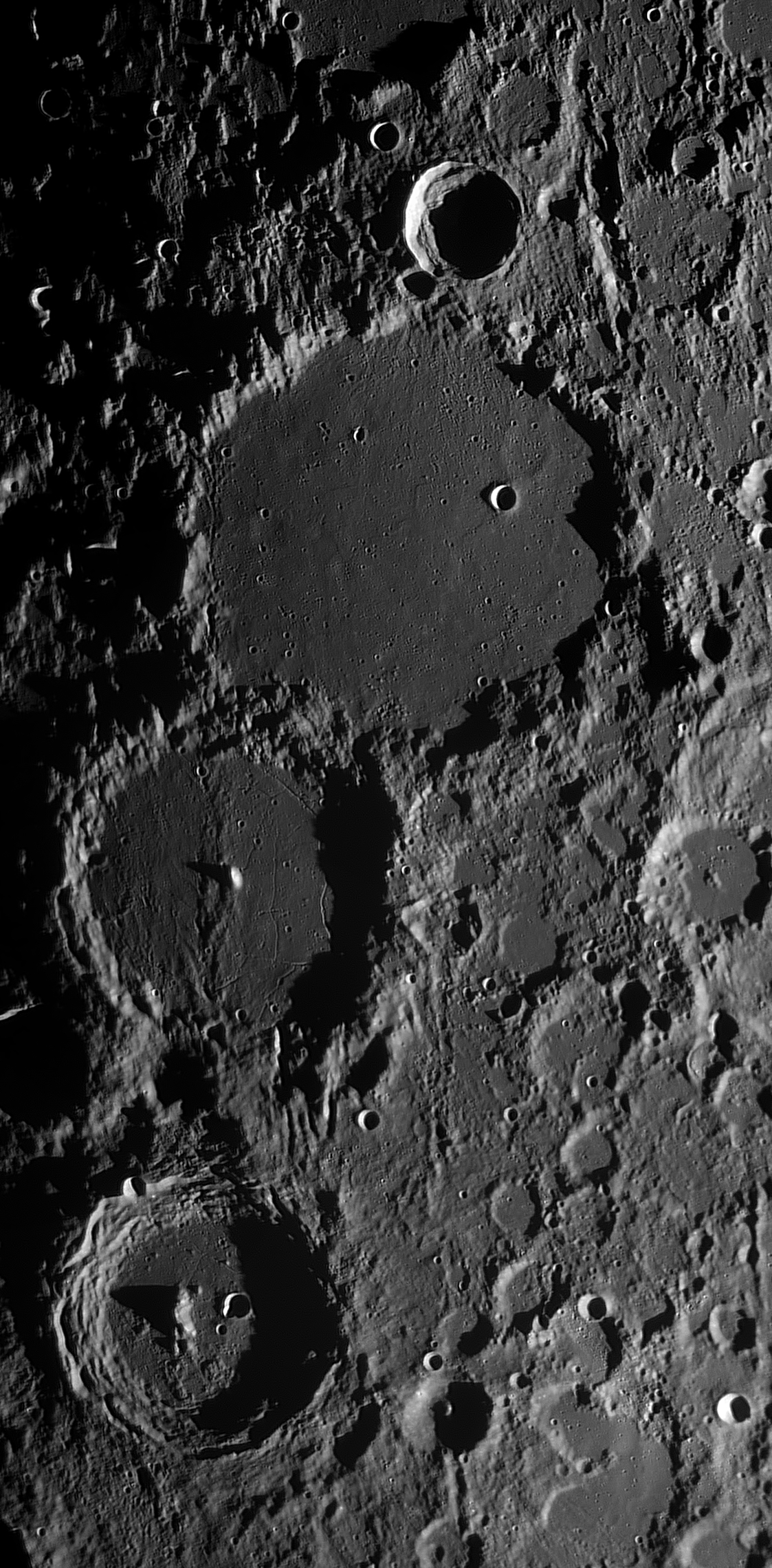
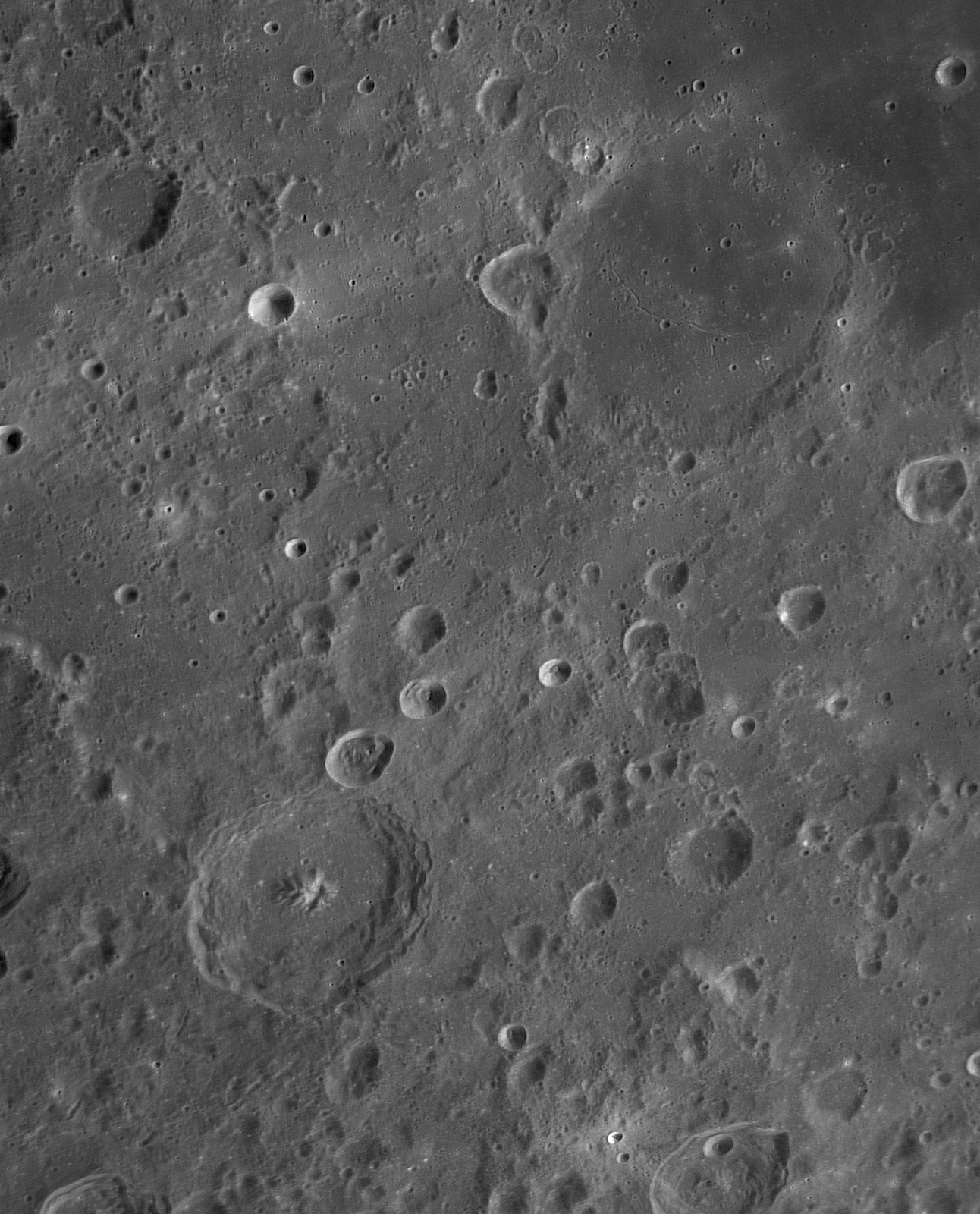
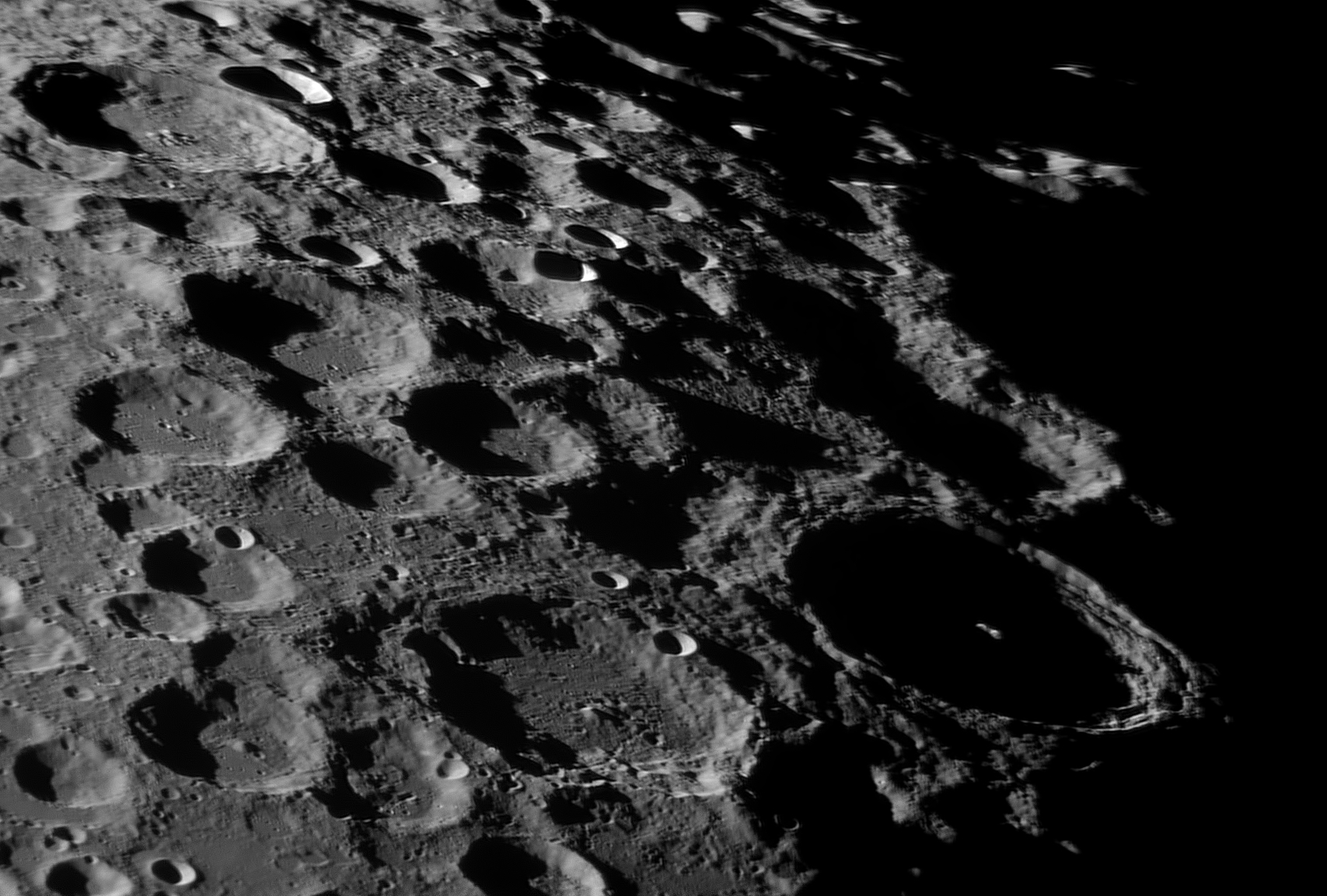
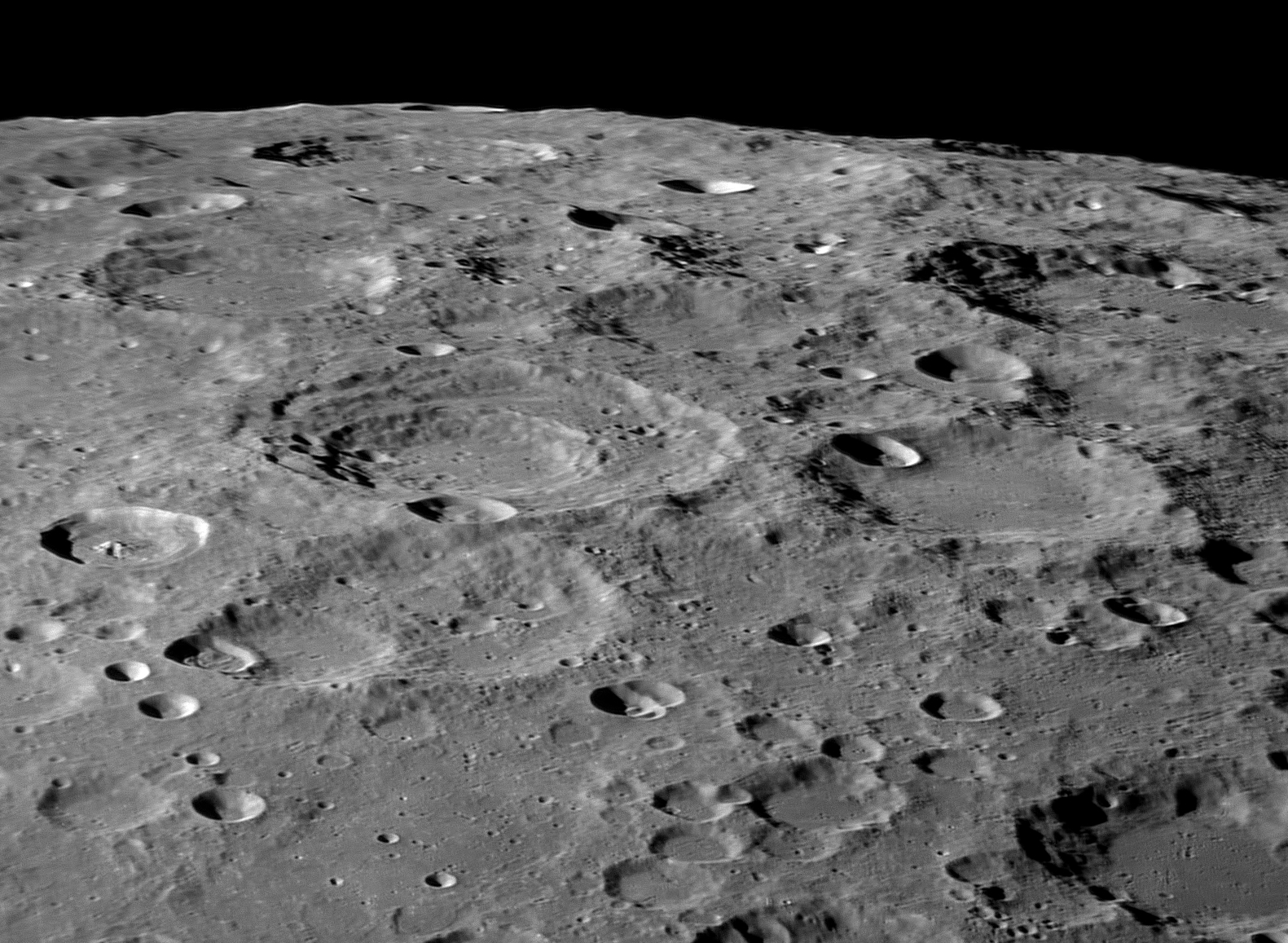
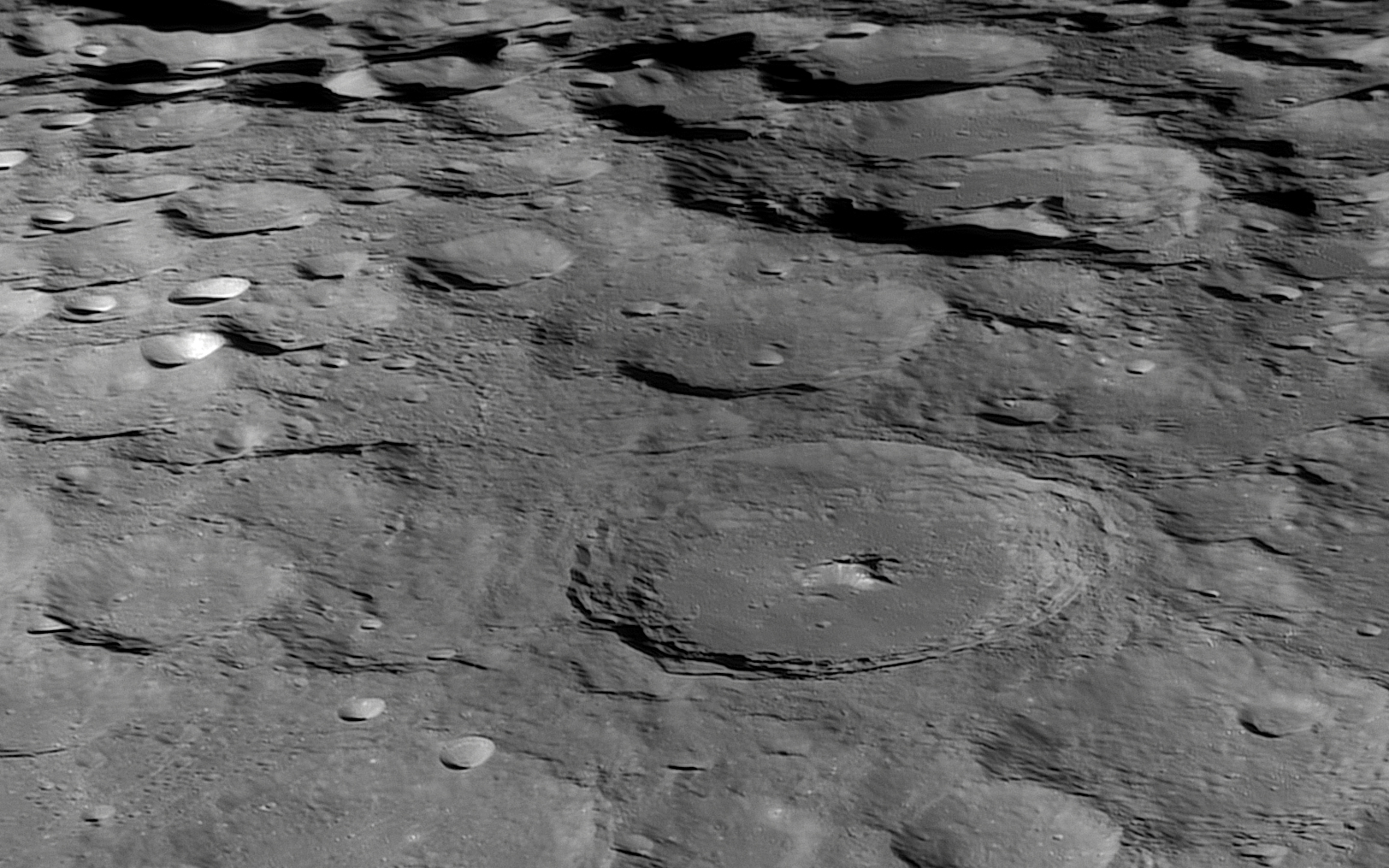
Lunar shots of February 21, 2024. 355mm Newton, ASI174MM and 183MM, Green filter. Fair seeing, again with dew.

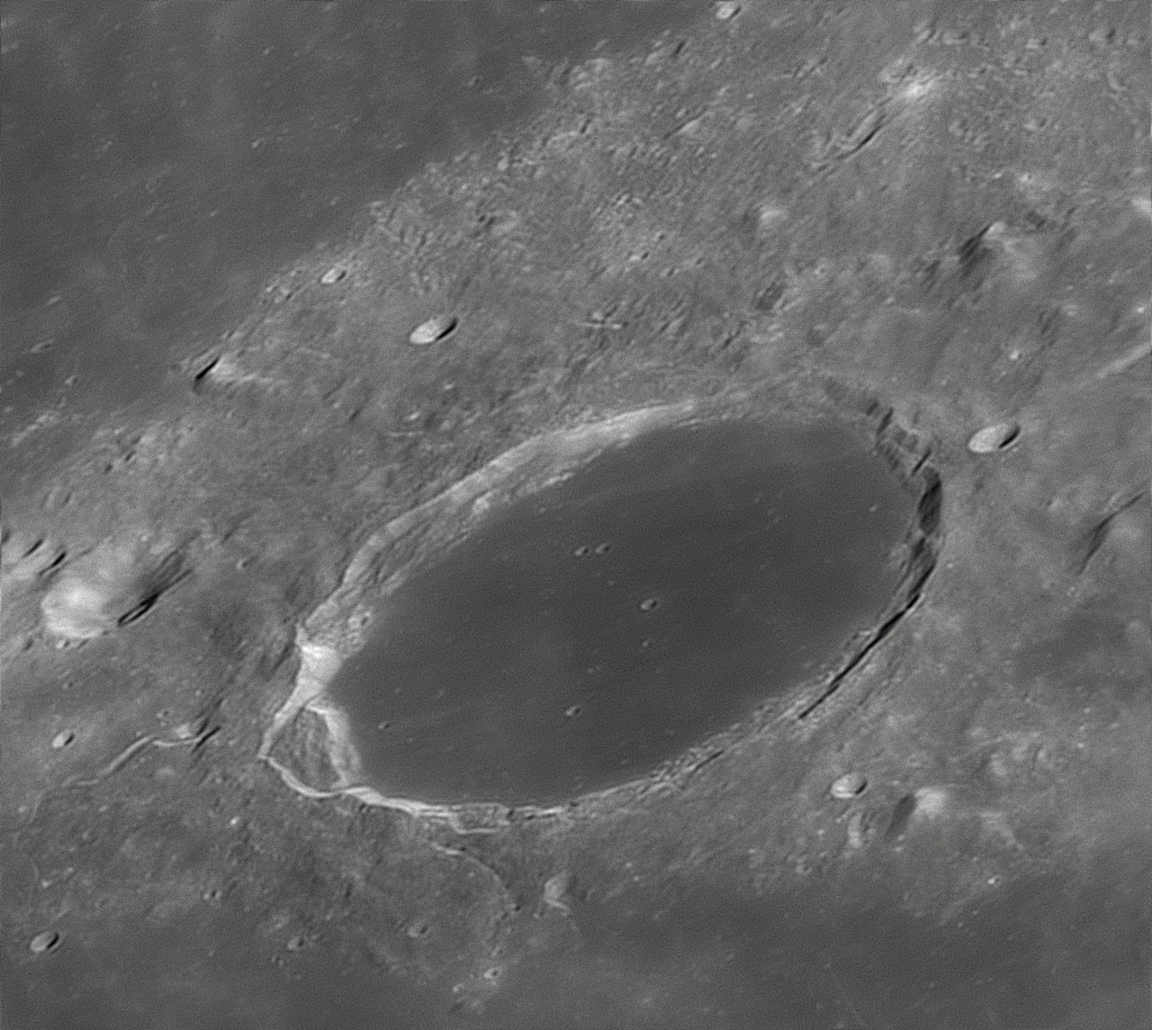

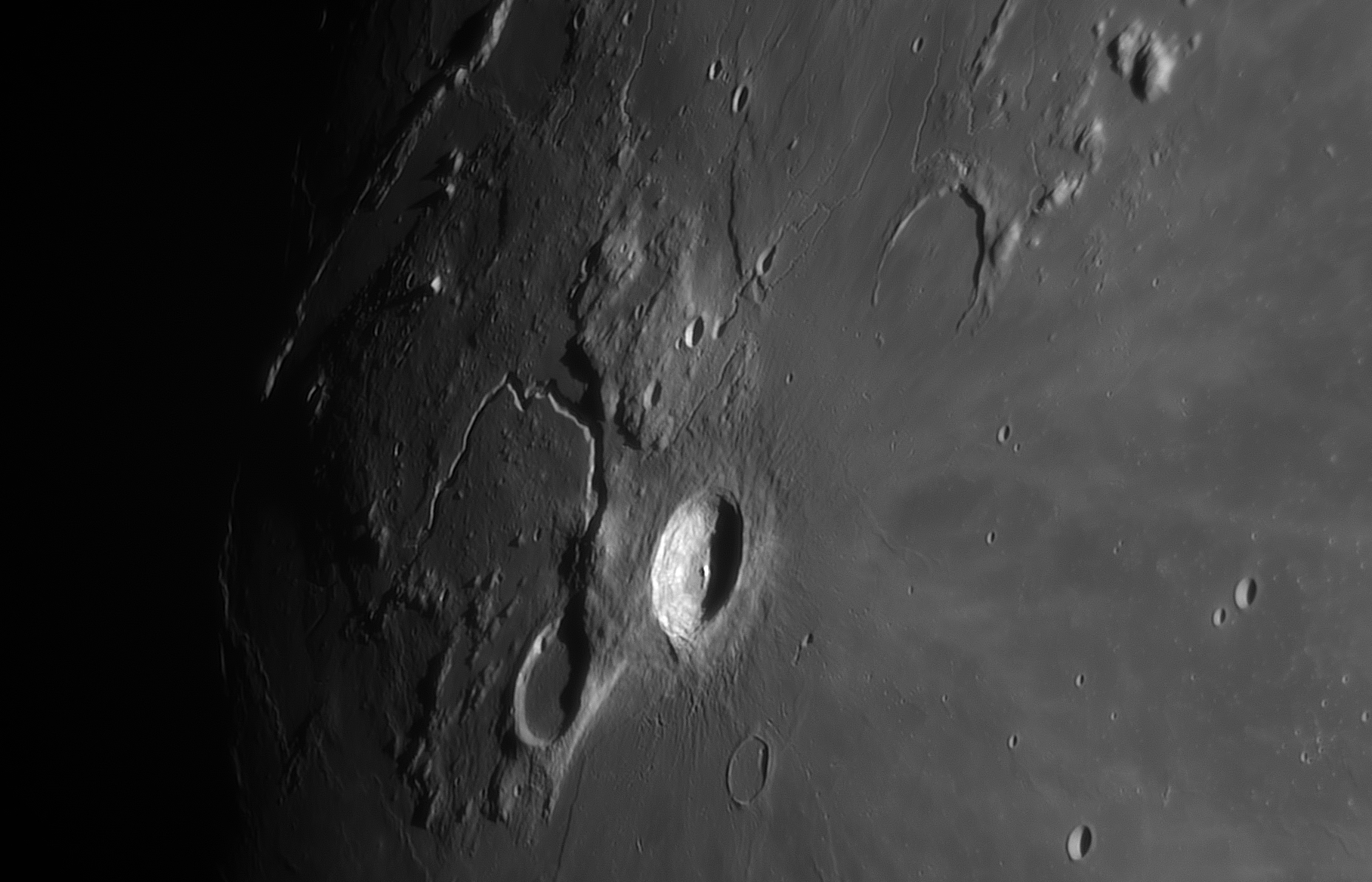
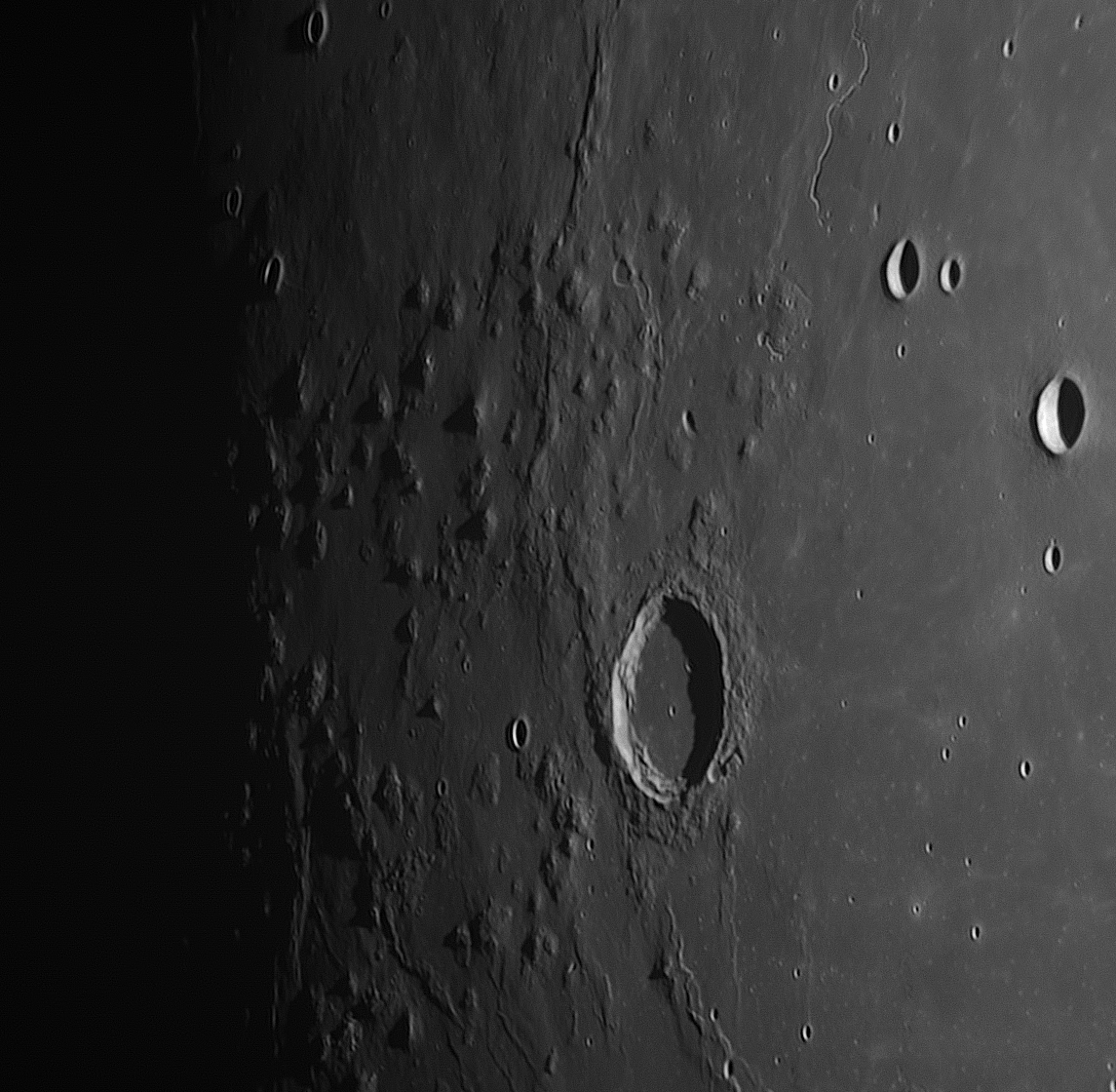

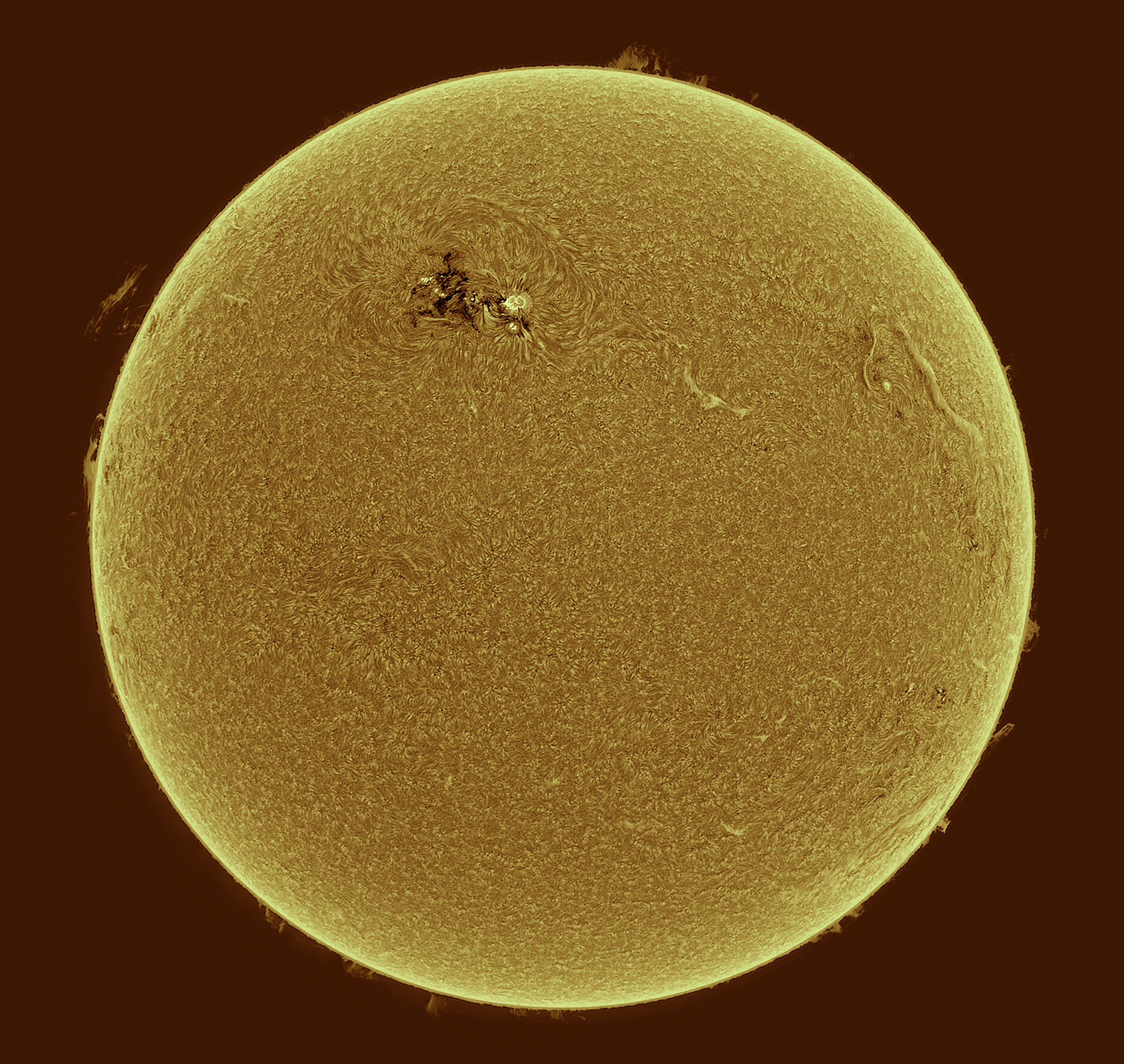
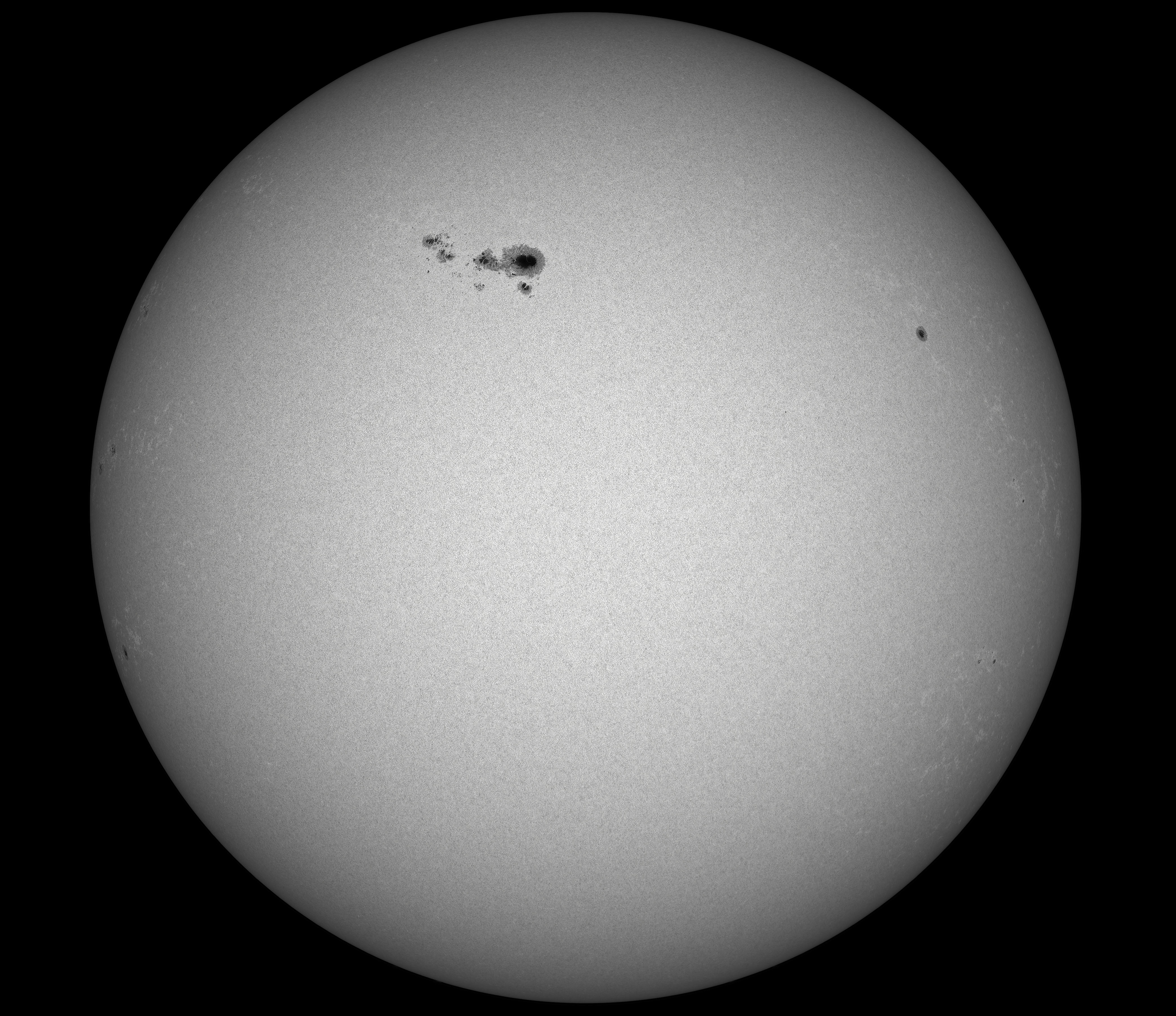
Solar images of February 23, 2024 showing a giant spot:
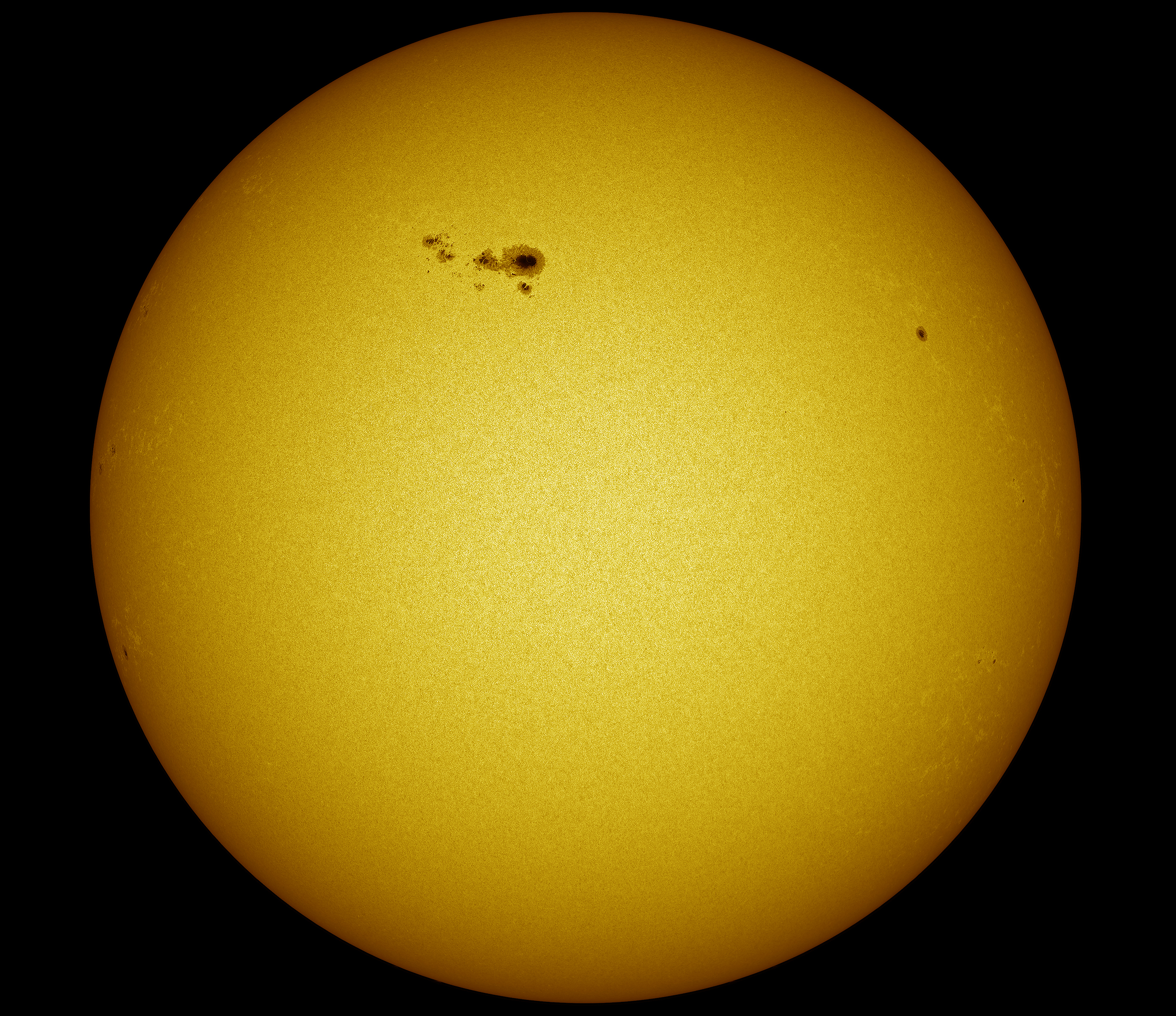
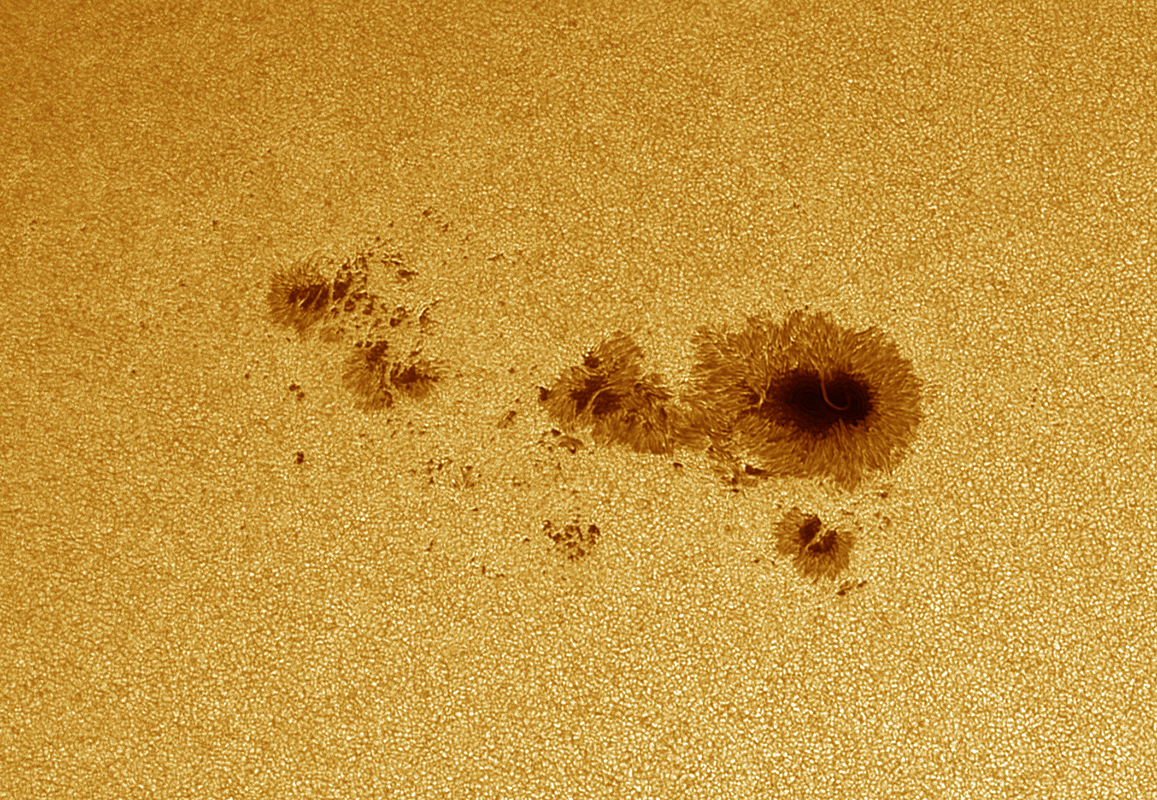
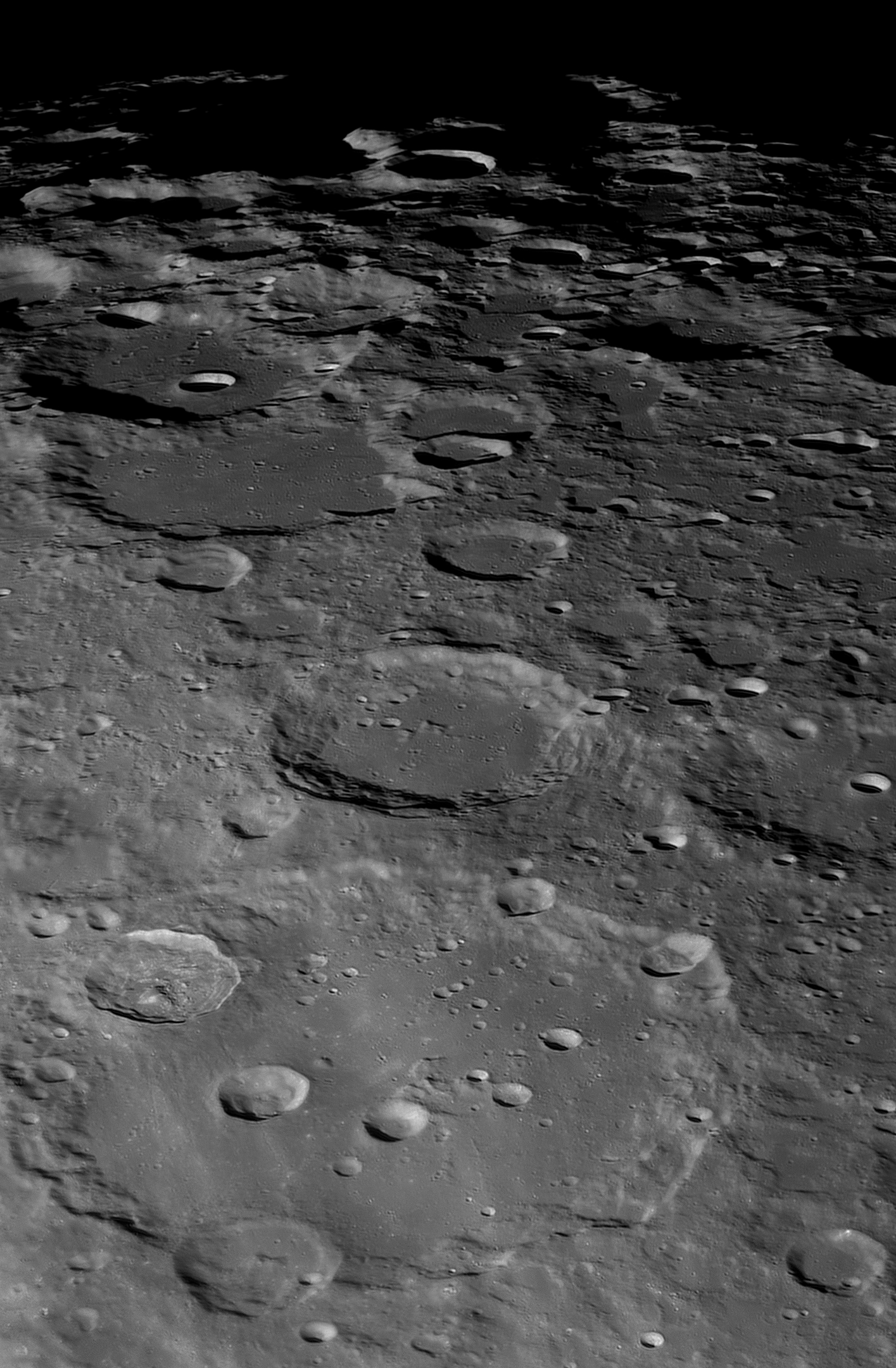
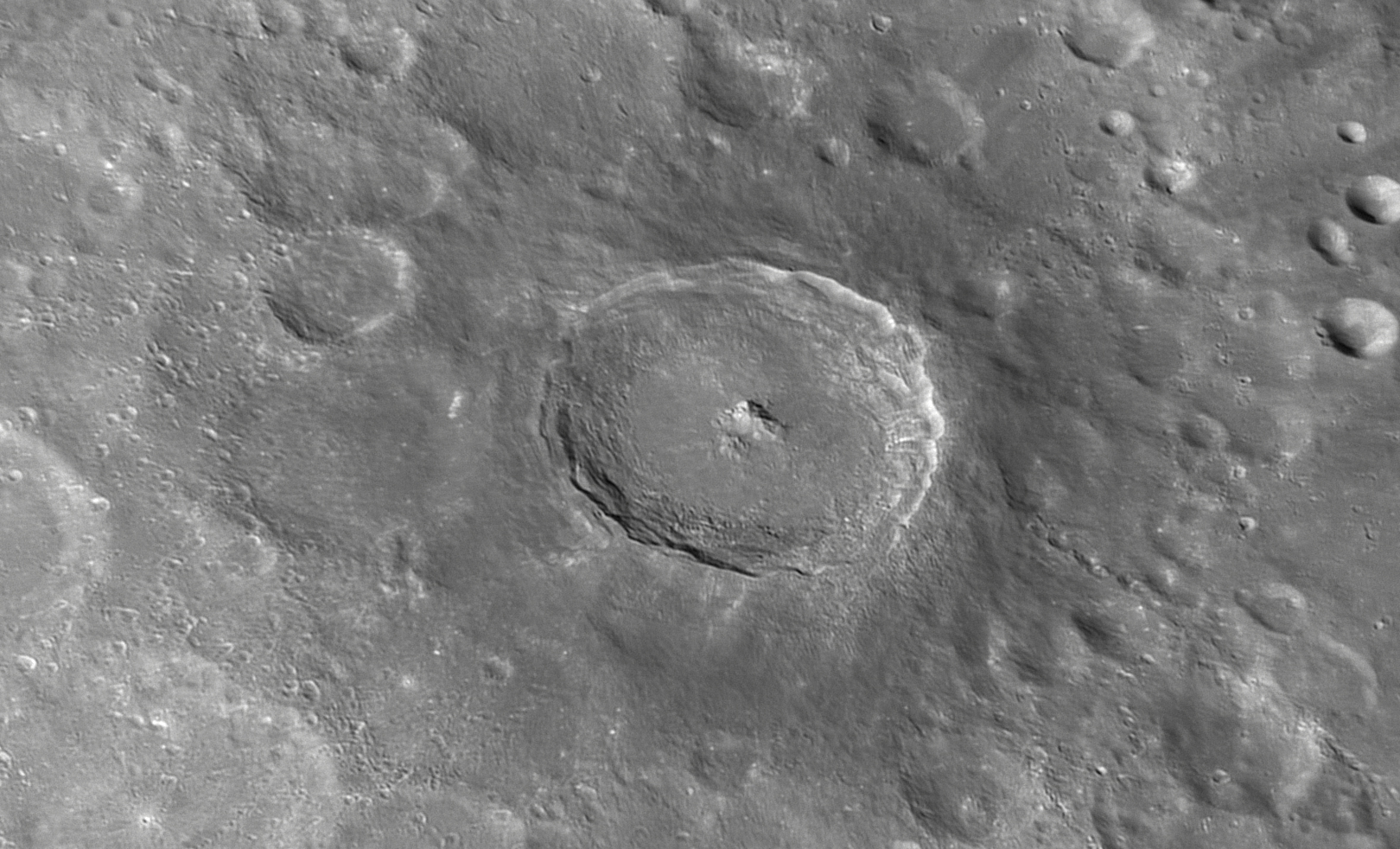
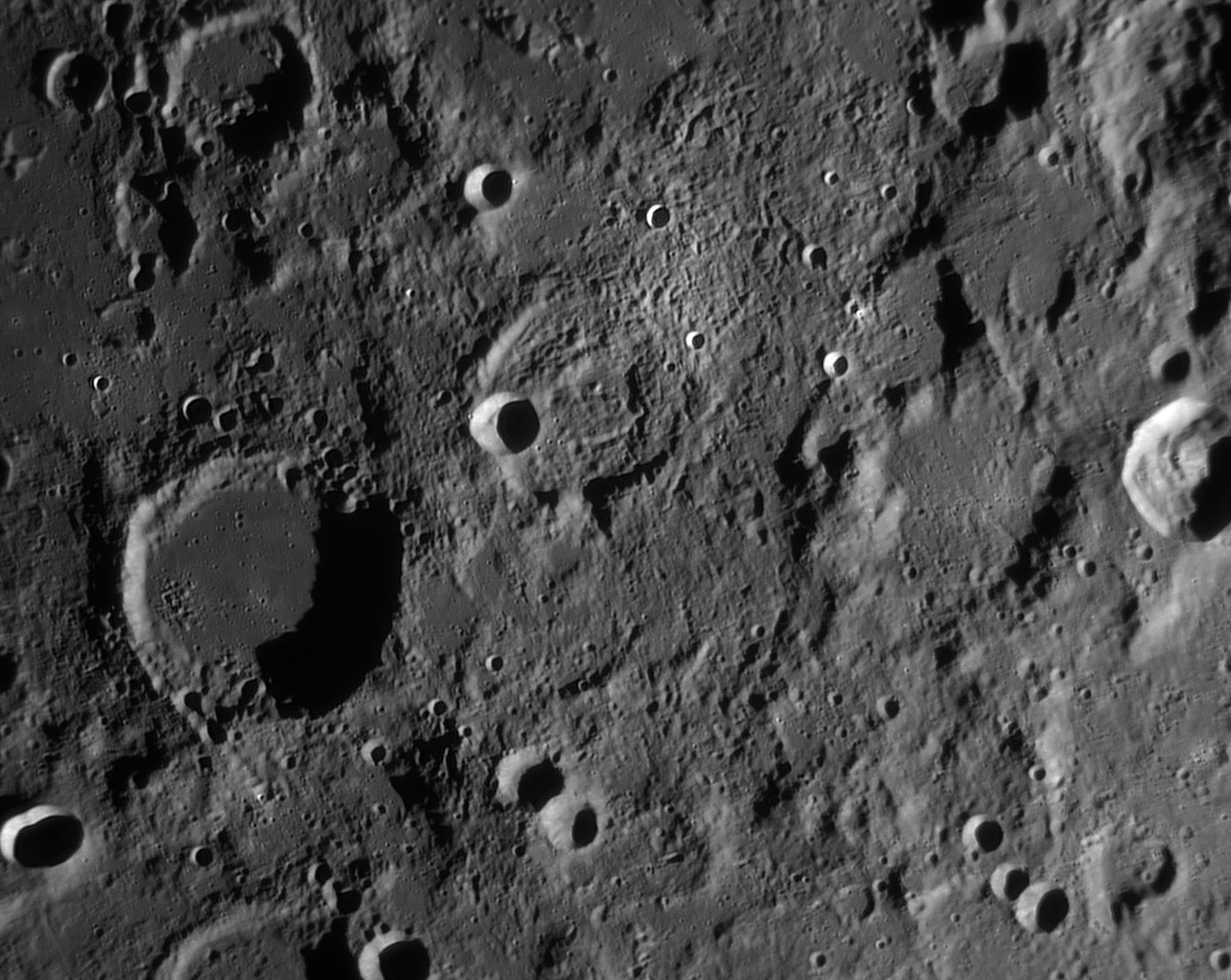
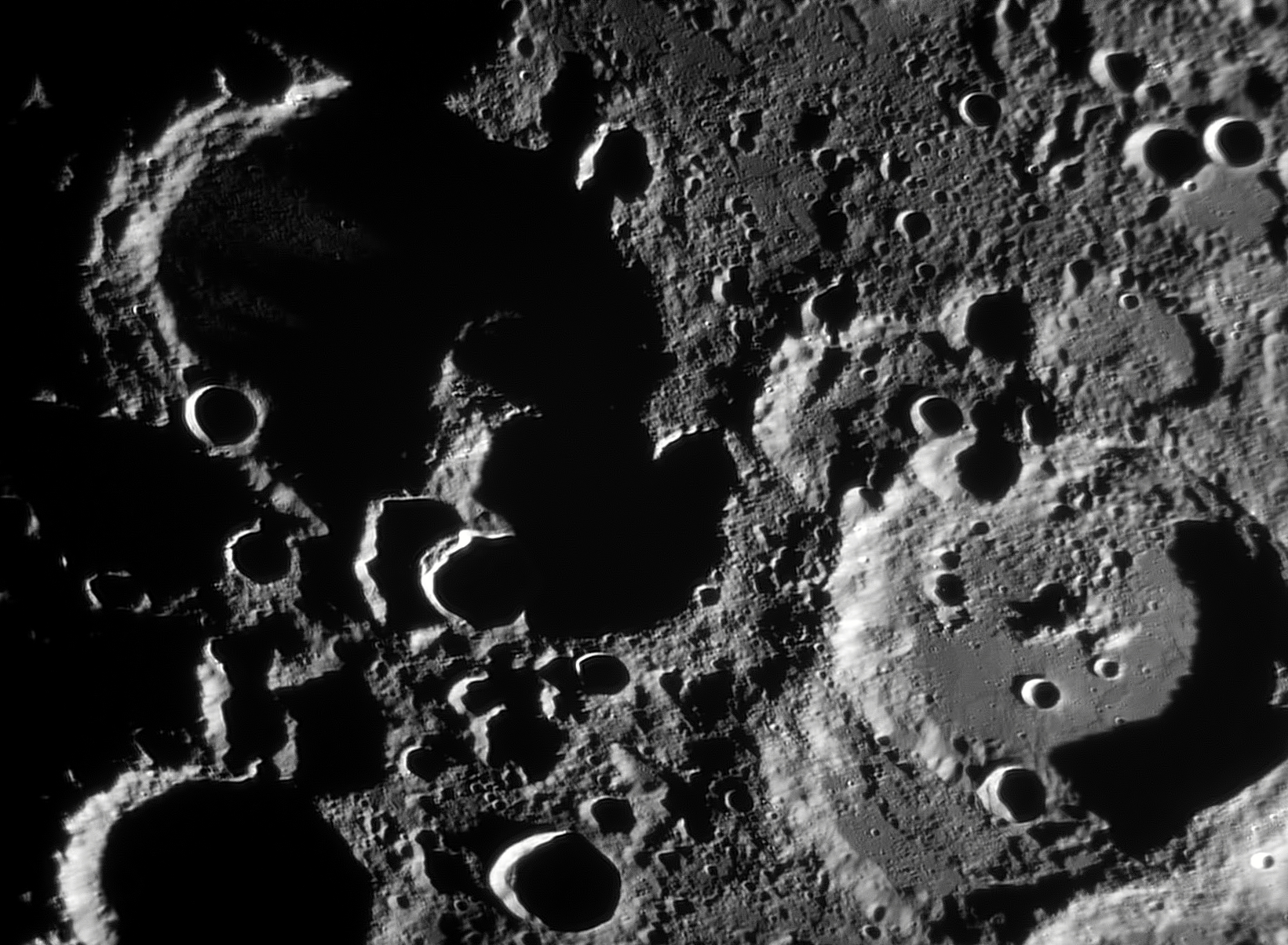
Lunar images of February 17, 2024. Good seeing, 355mm Newtonian, Green filter, ASI174MM.
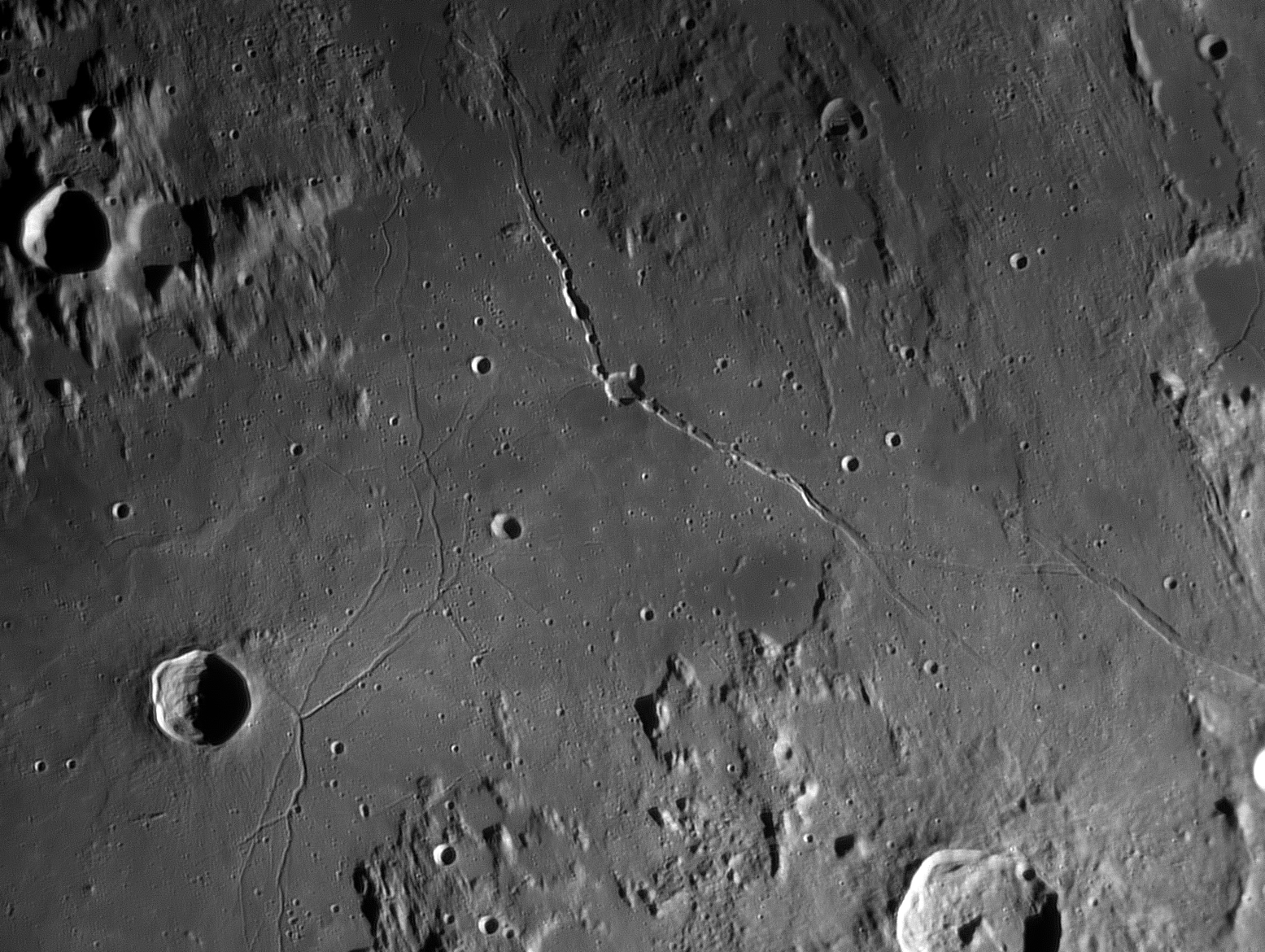

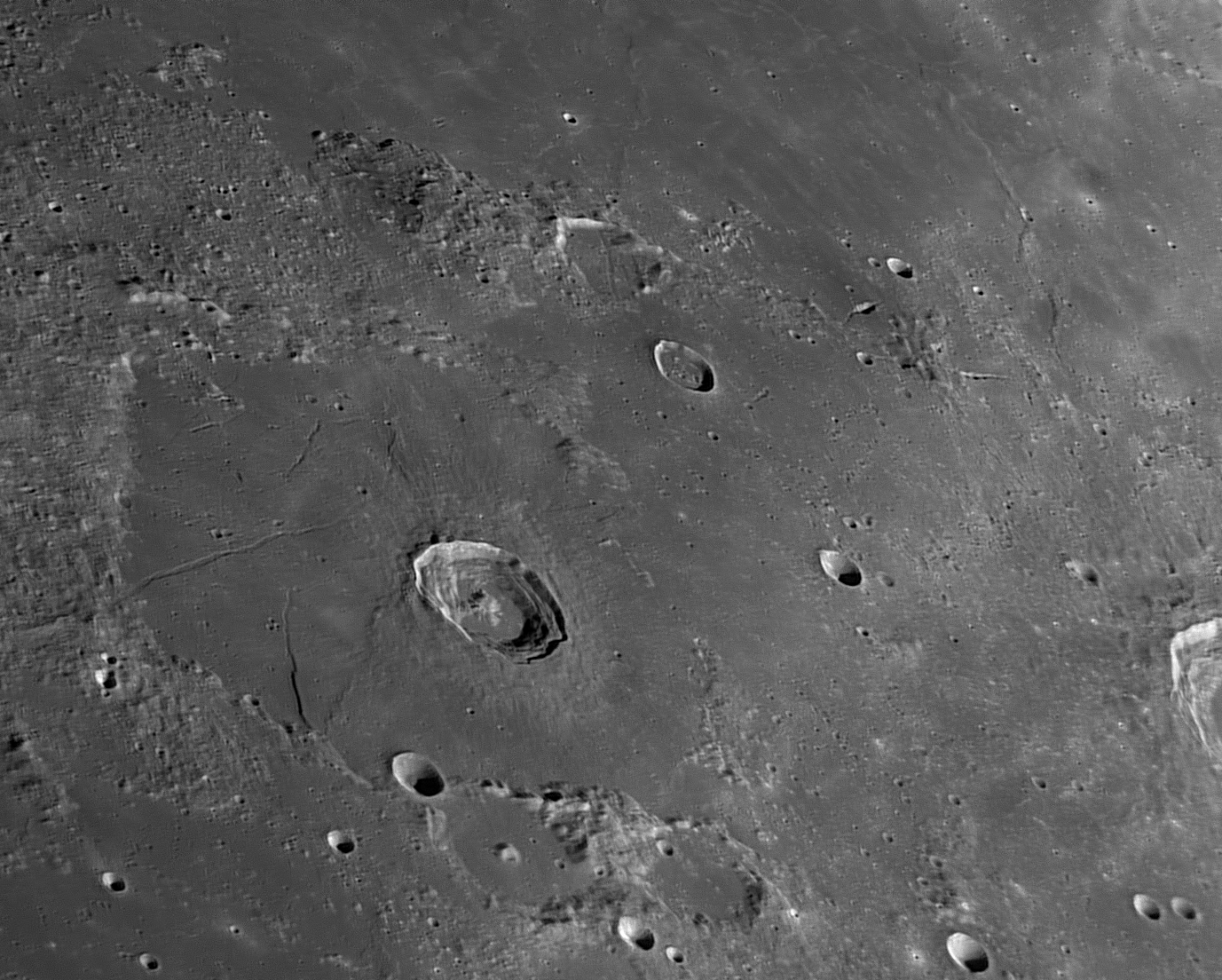
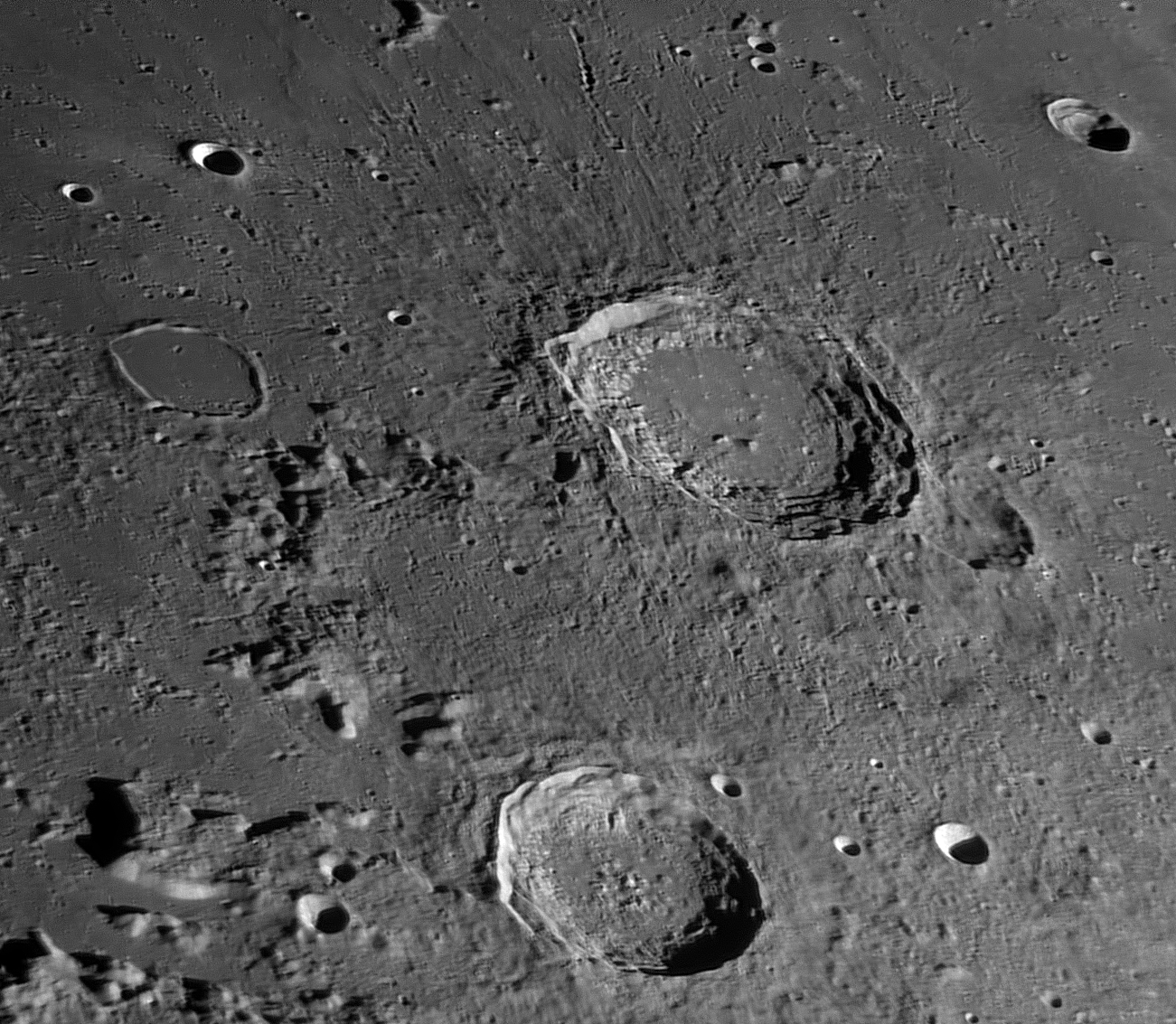
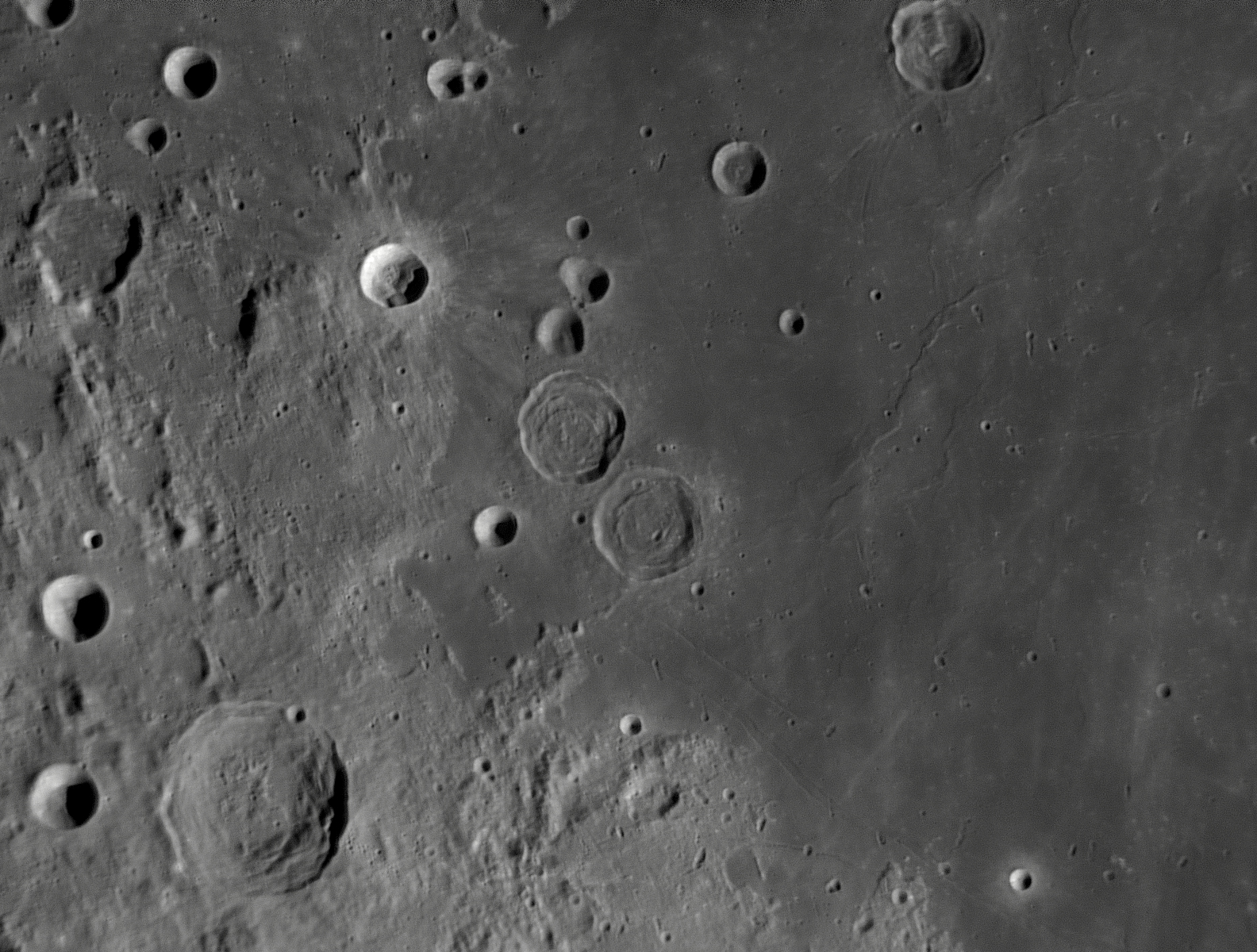
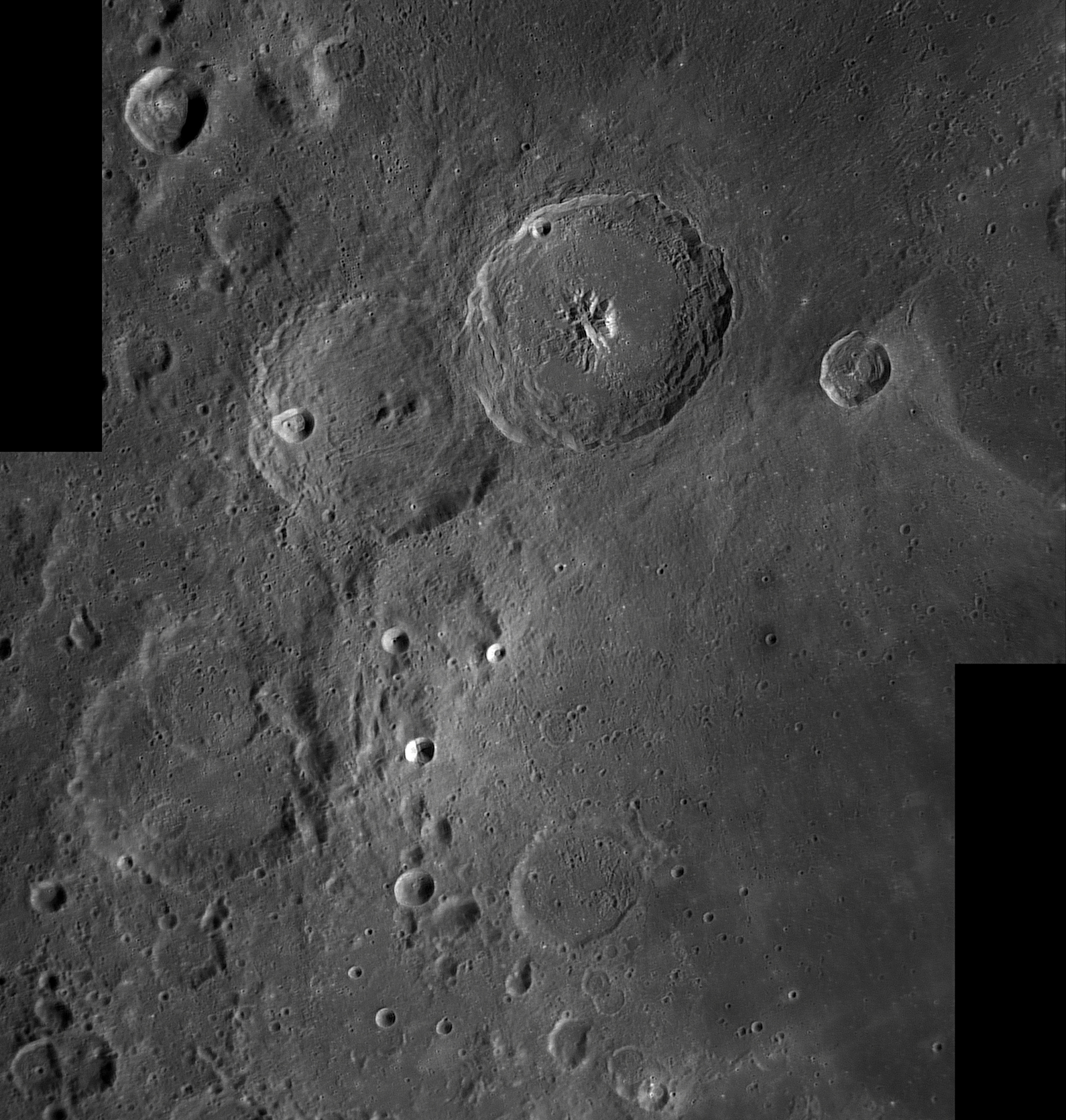

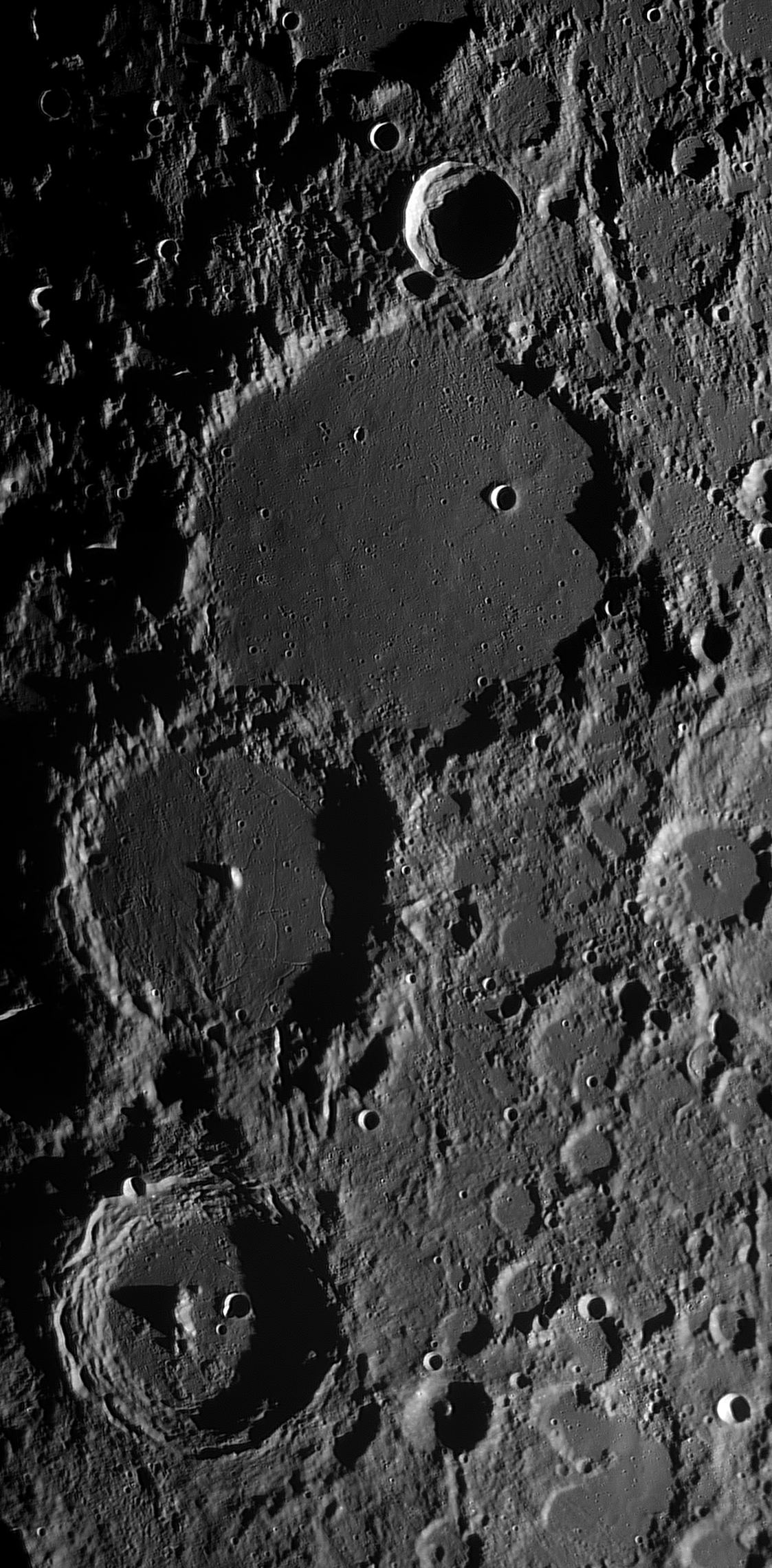
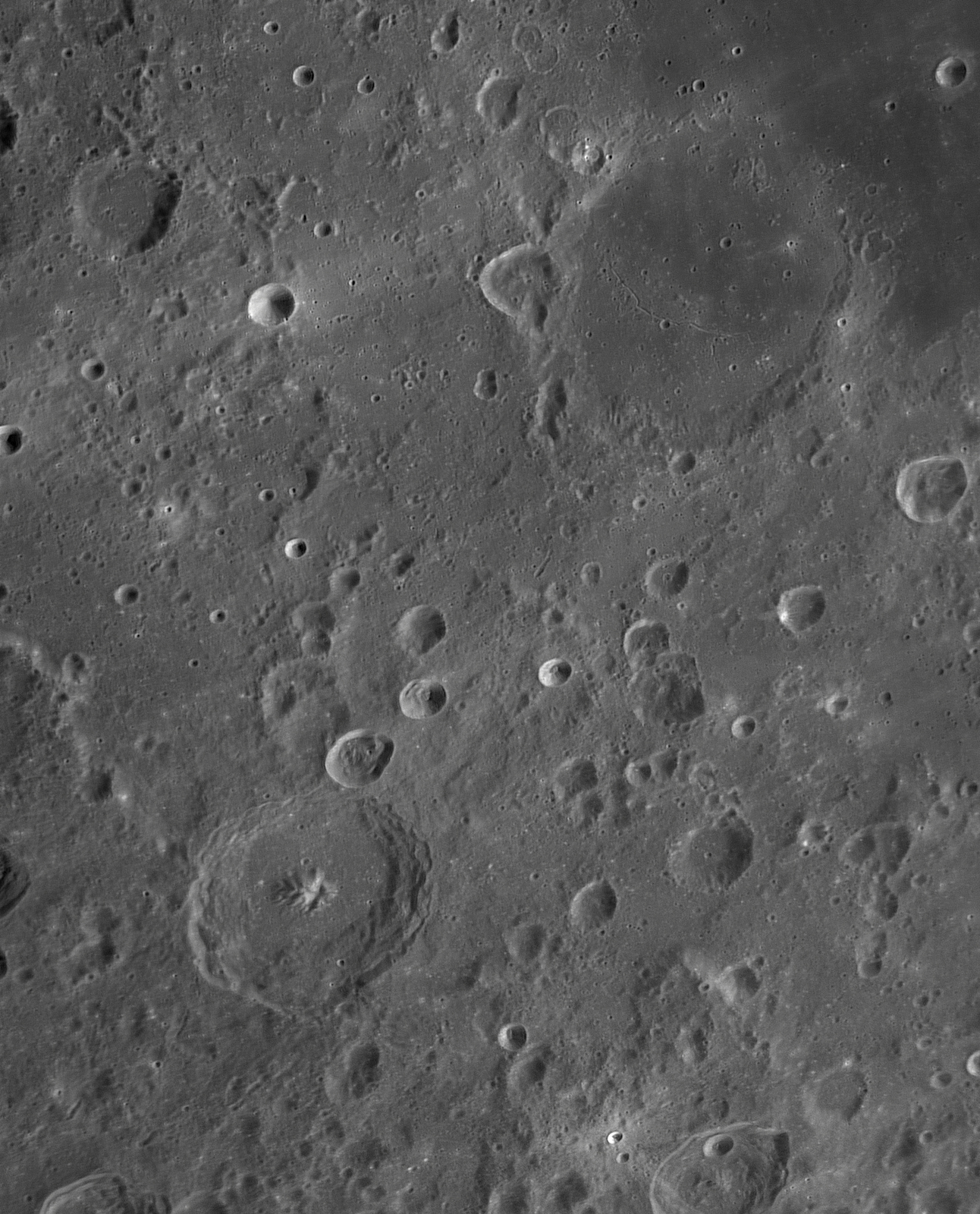
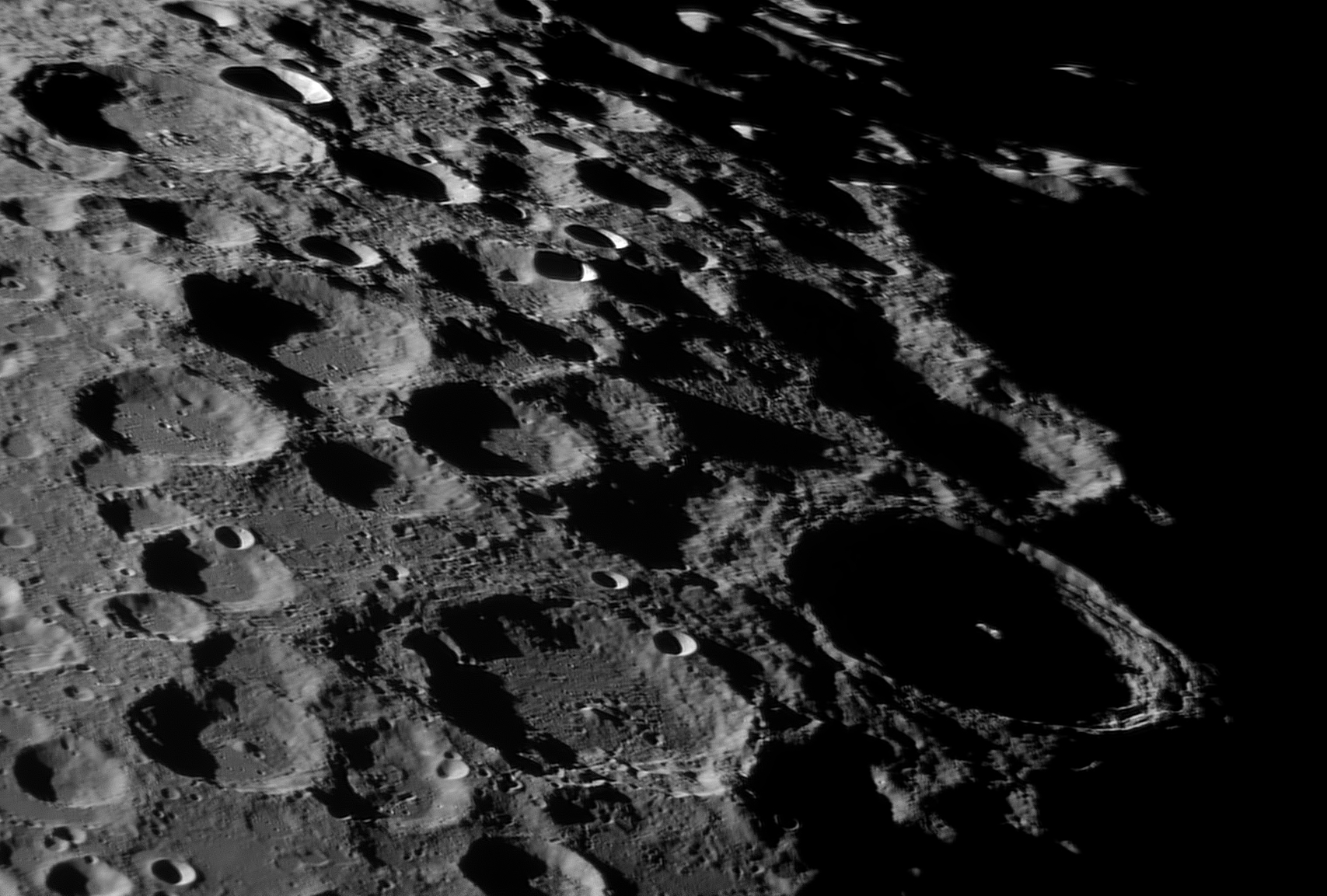

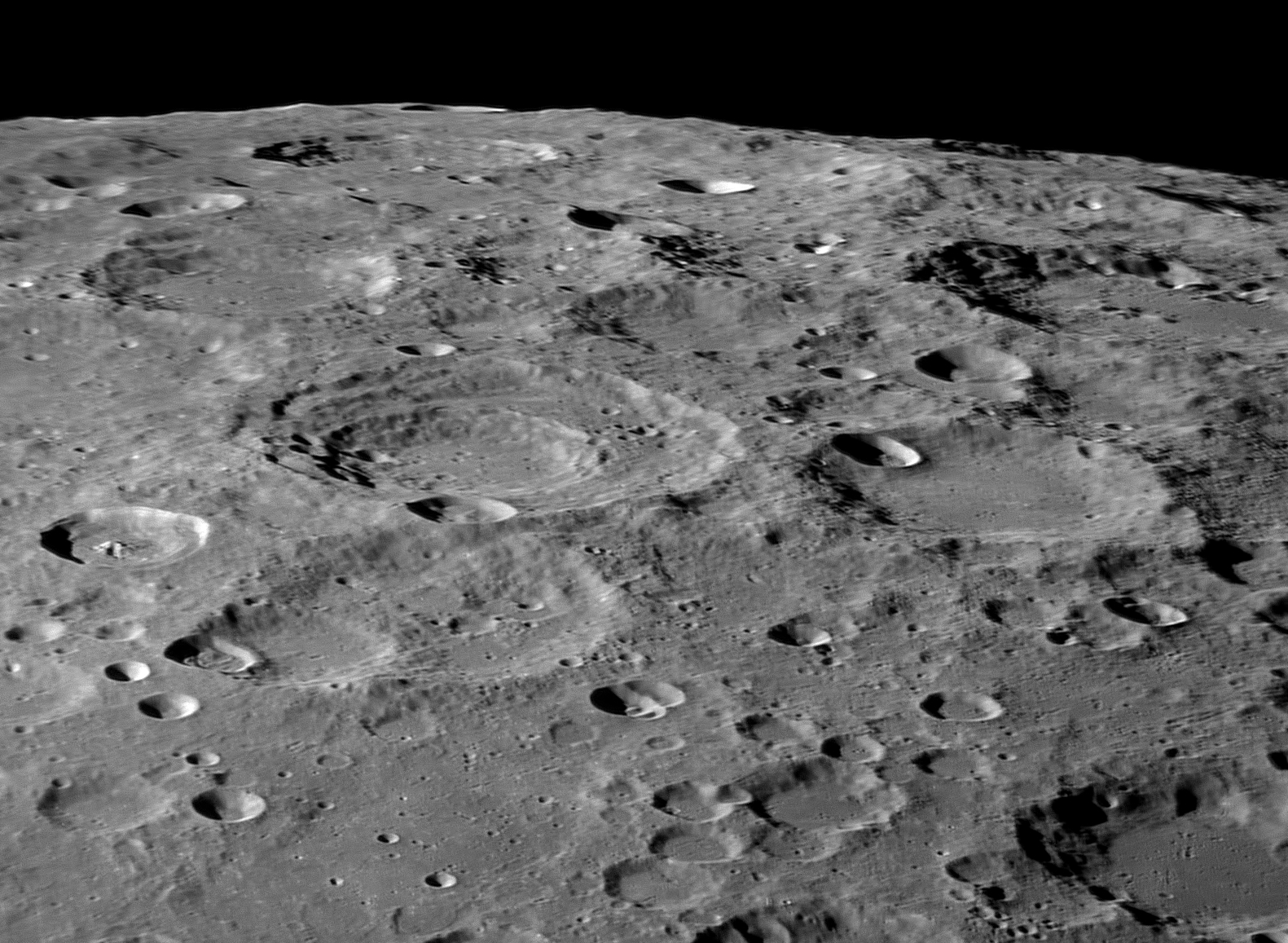
Lunar images of February 16, 2024. Good seeing, 355mm Newtonian, Green filter, ASI174MM.
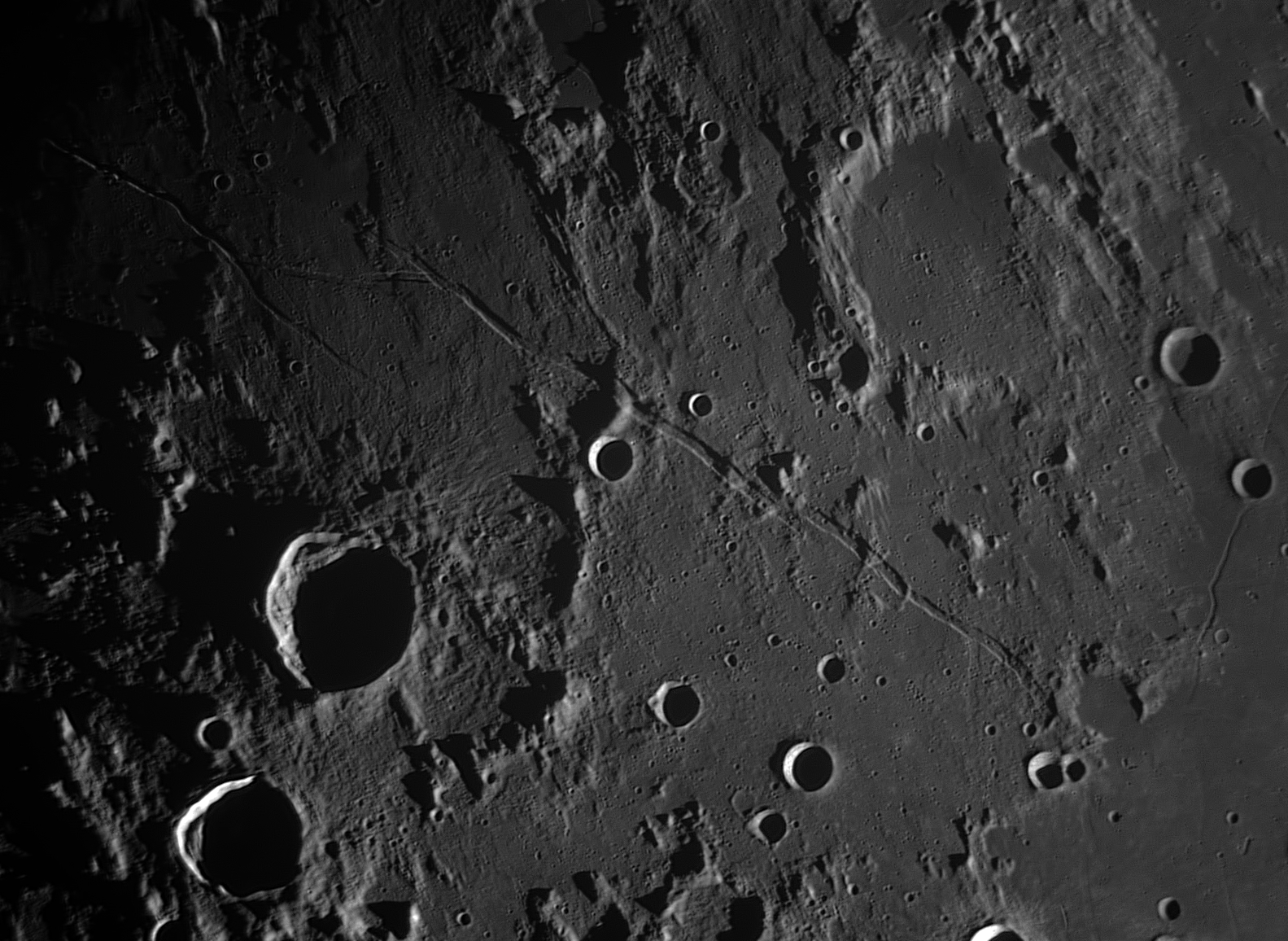



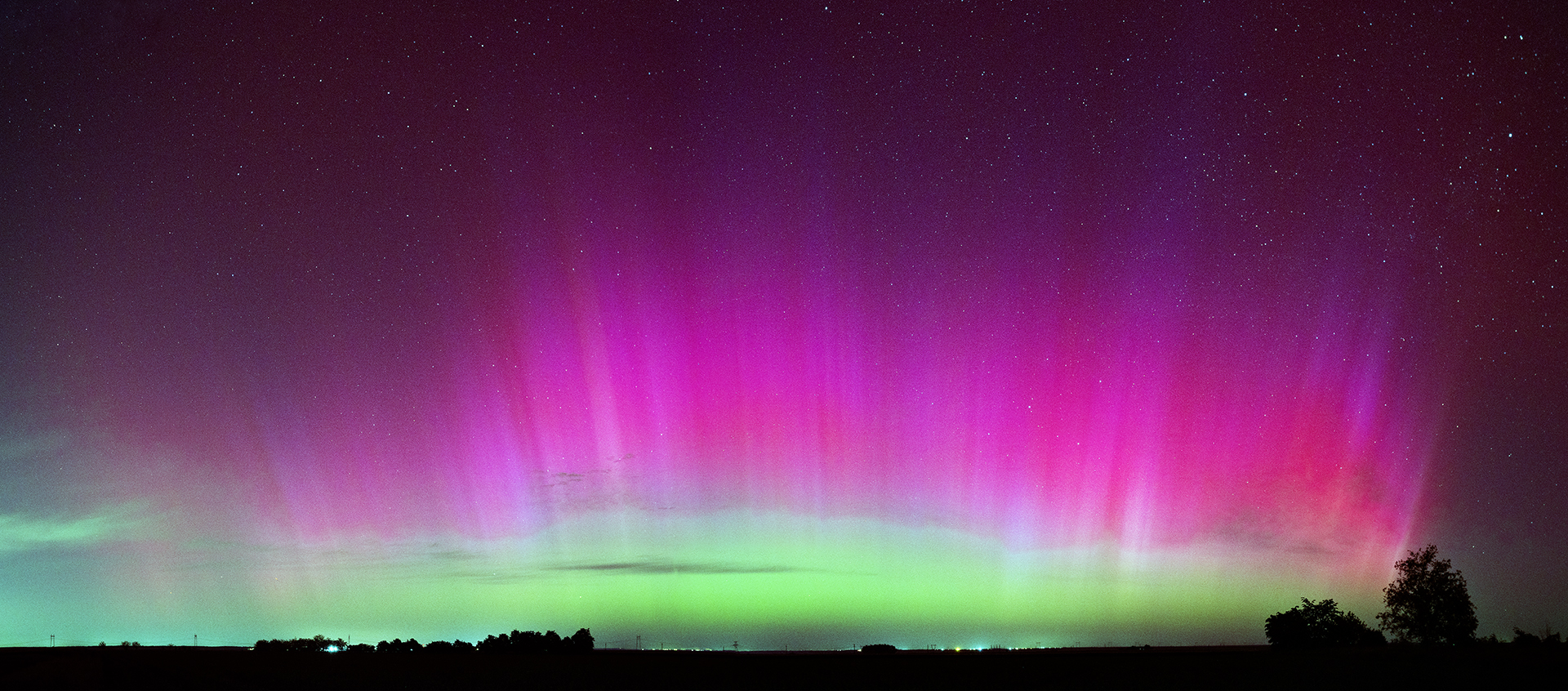
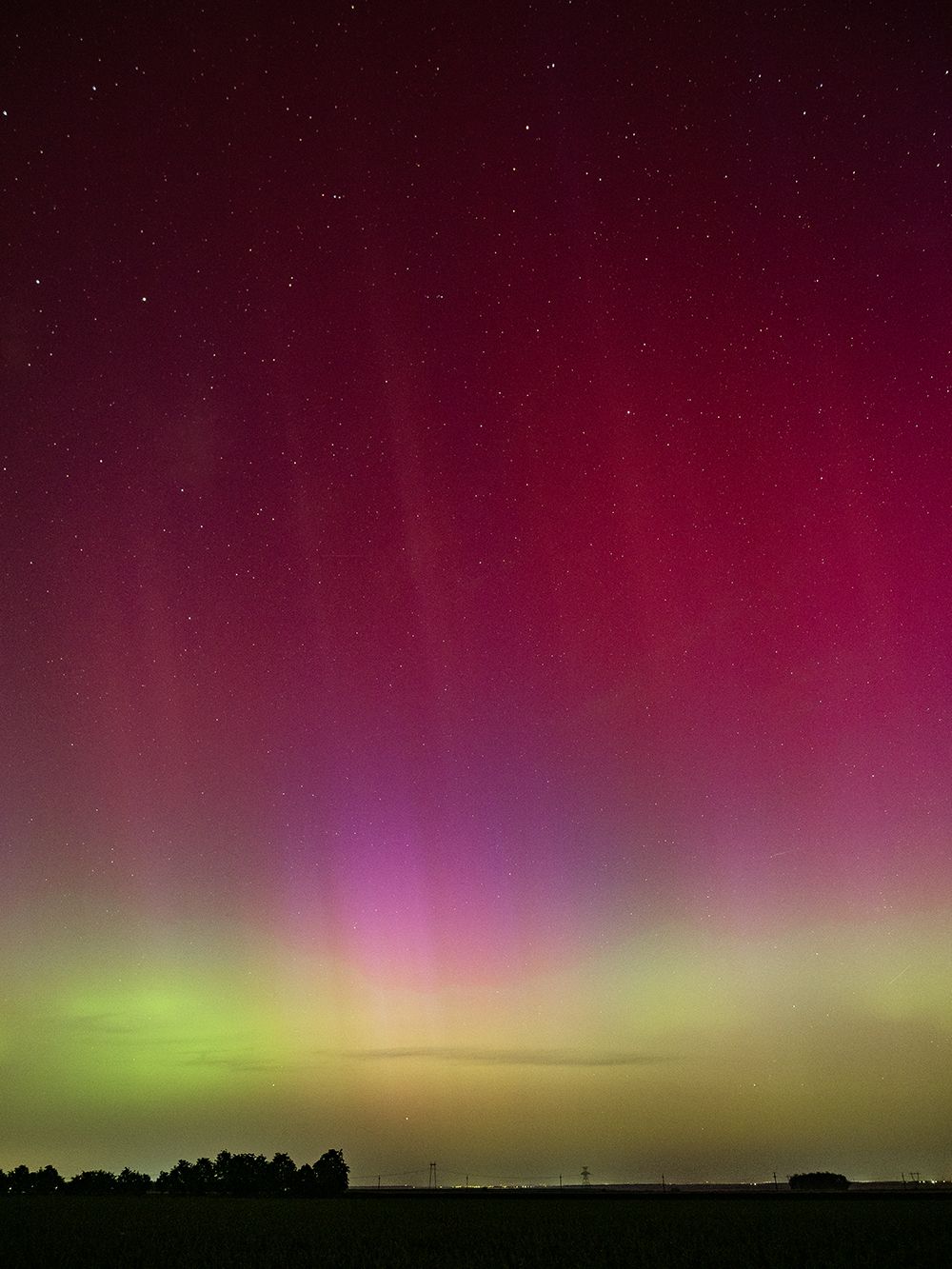
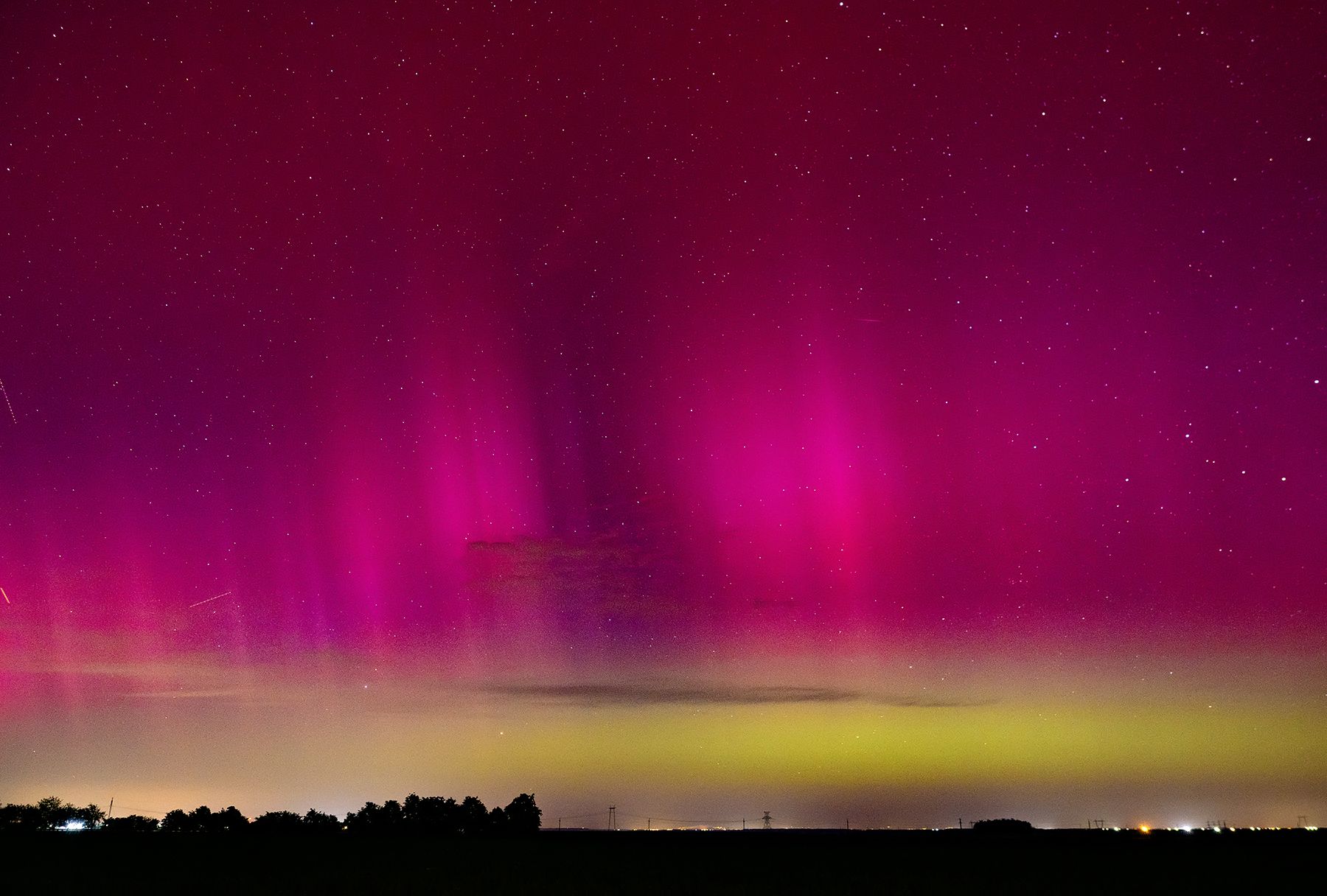
Aurora visible from Romania, on May 11, 2024:

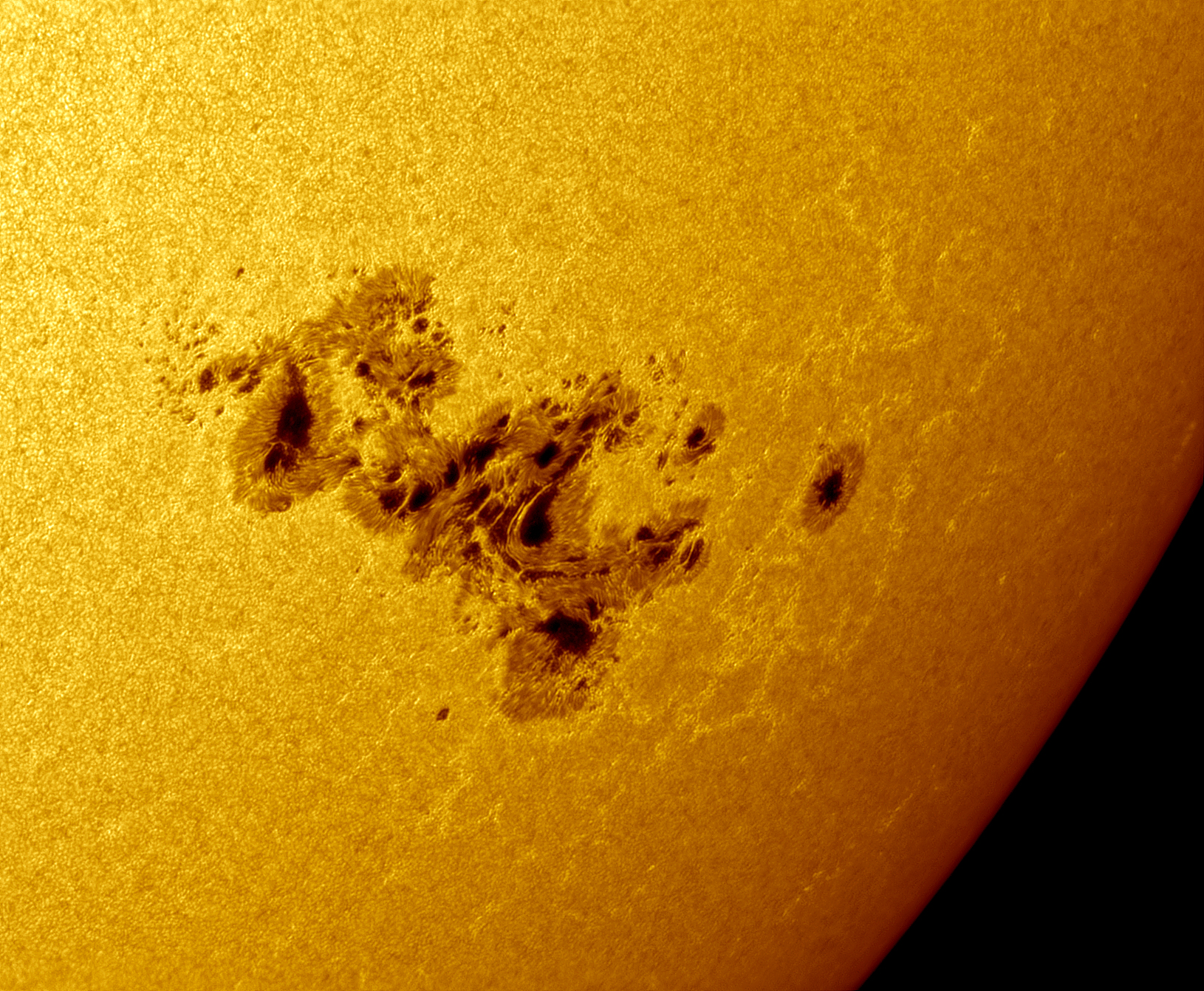
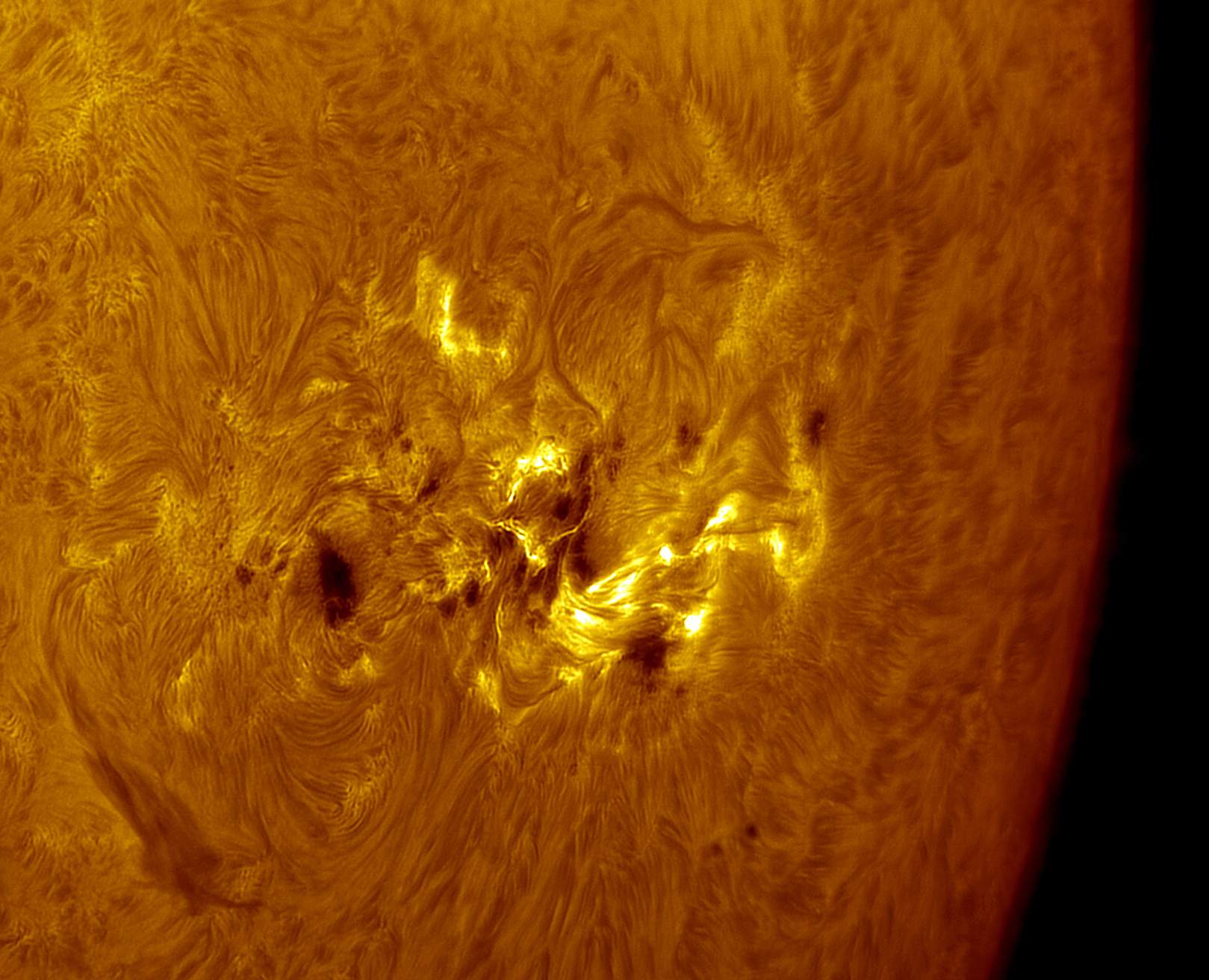
Sunspot 3554 on May 11, 2024, the source of the fantastic aurora display of May 11.
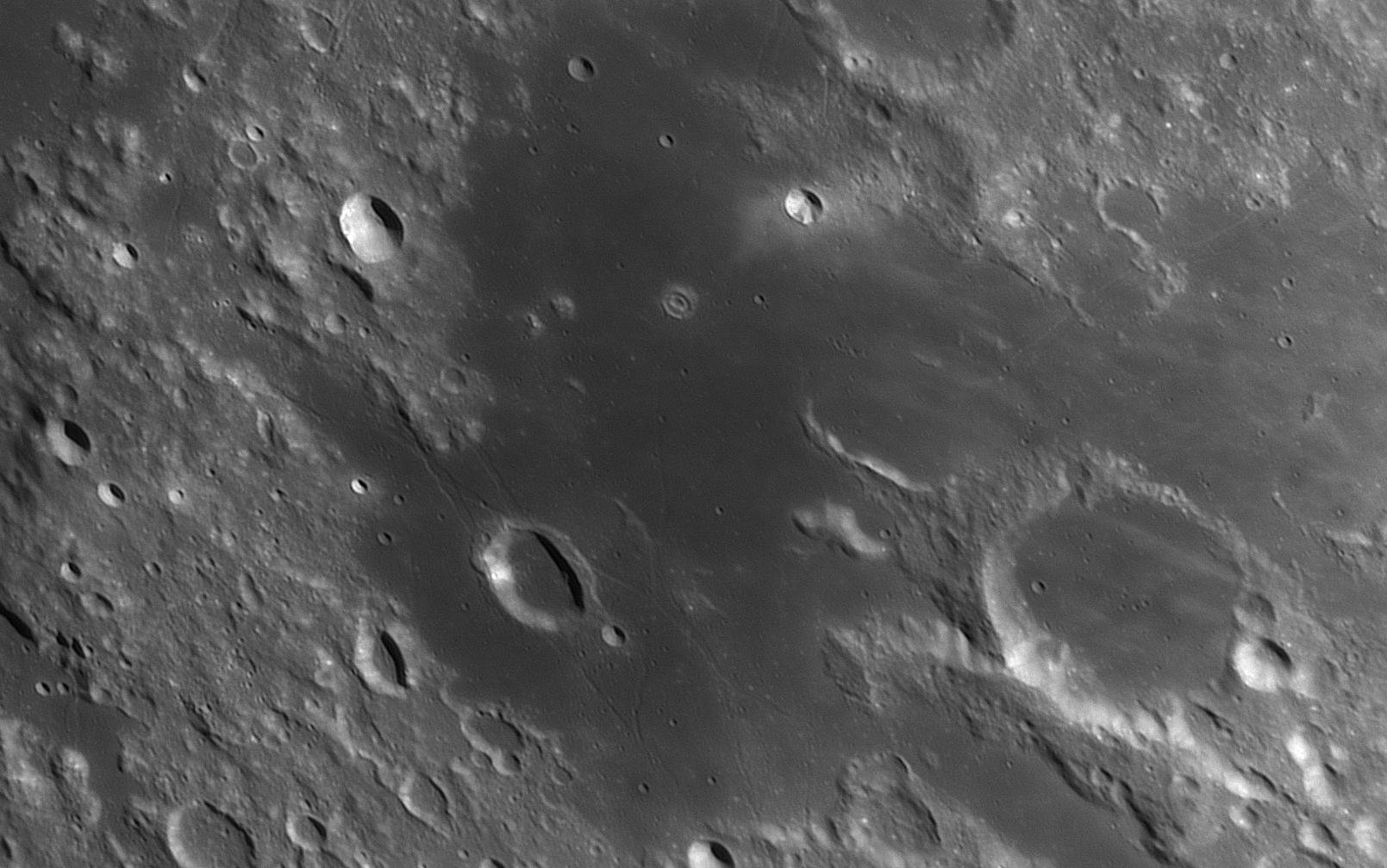
Lunar images from October 22 – 2024:
355mm Newtonian, ASI183MM, Green filter.

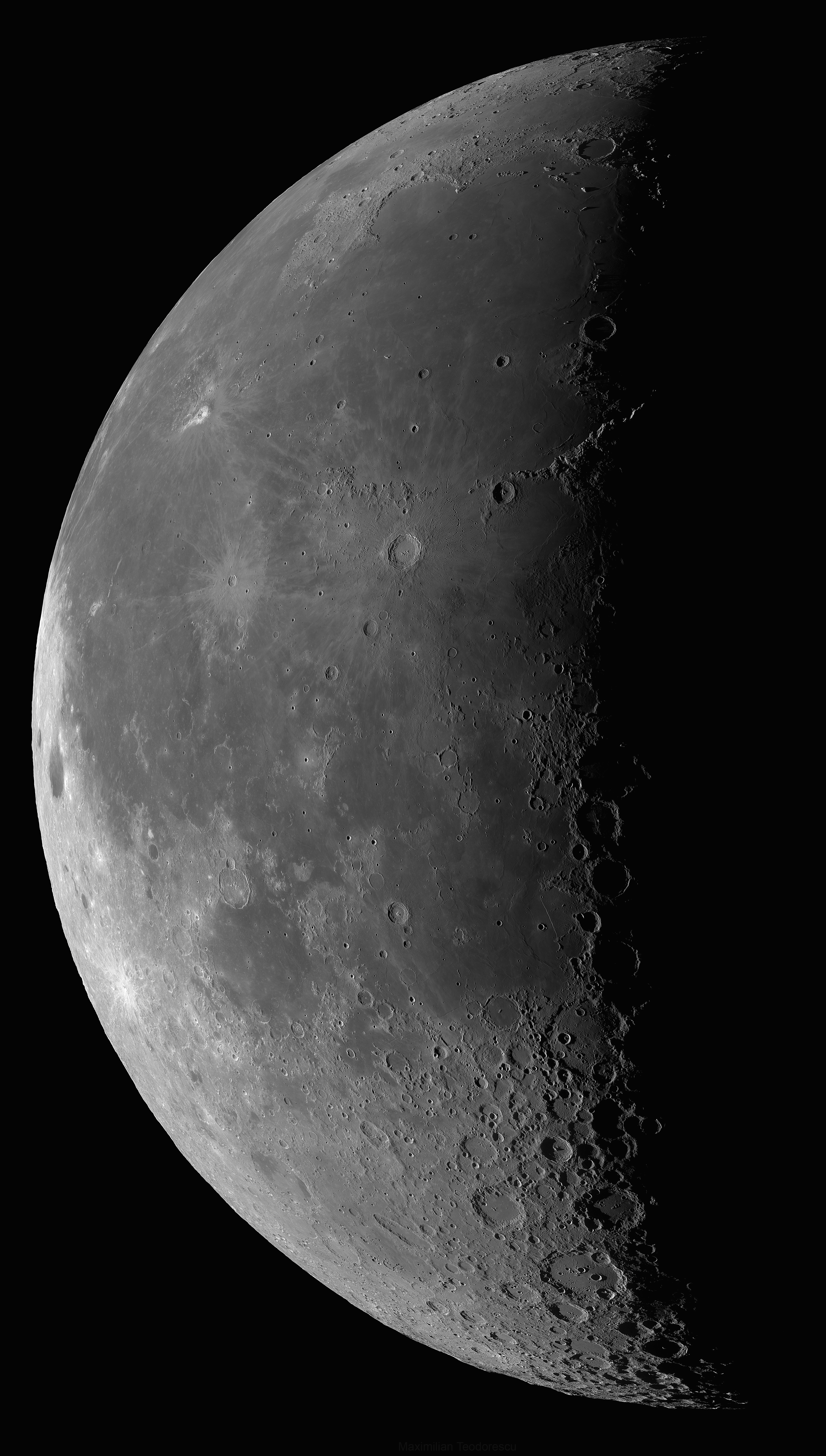
A medium-resolution Moon mosaic from October 25, 2024. Acquisition with: 355mm Newtonian, Red filter, ASI183MM. Fair seeing. 175Gb of data from 40 individual files.
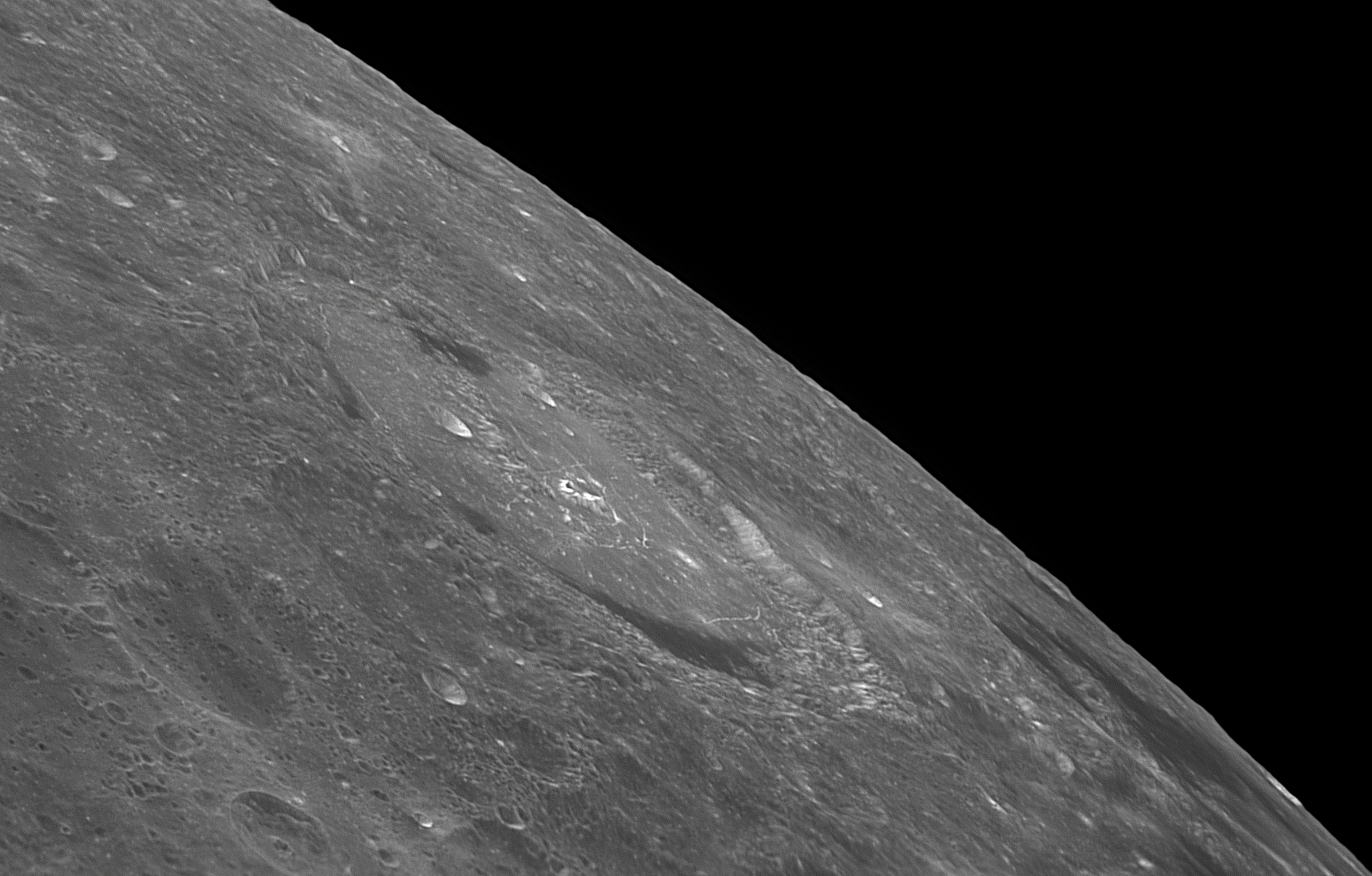
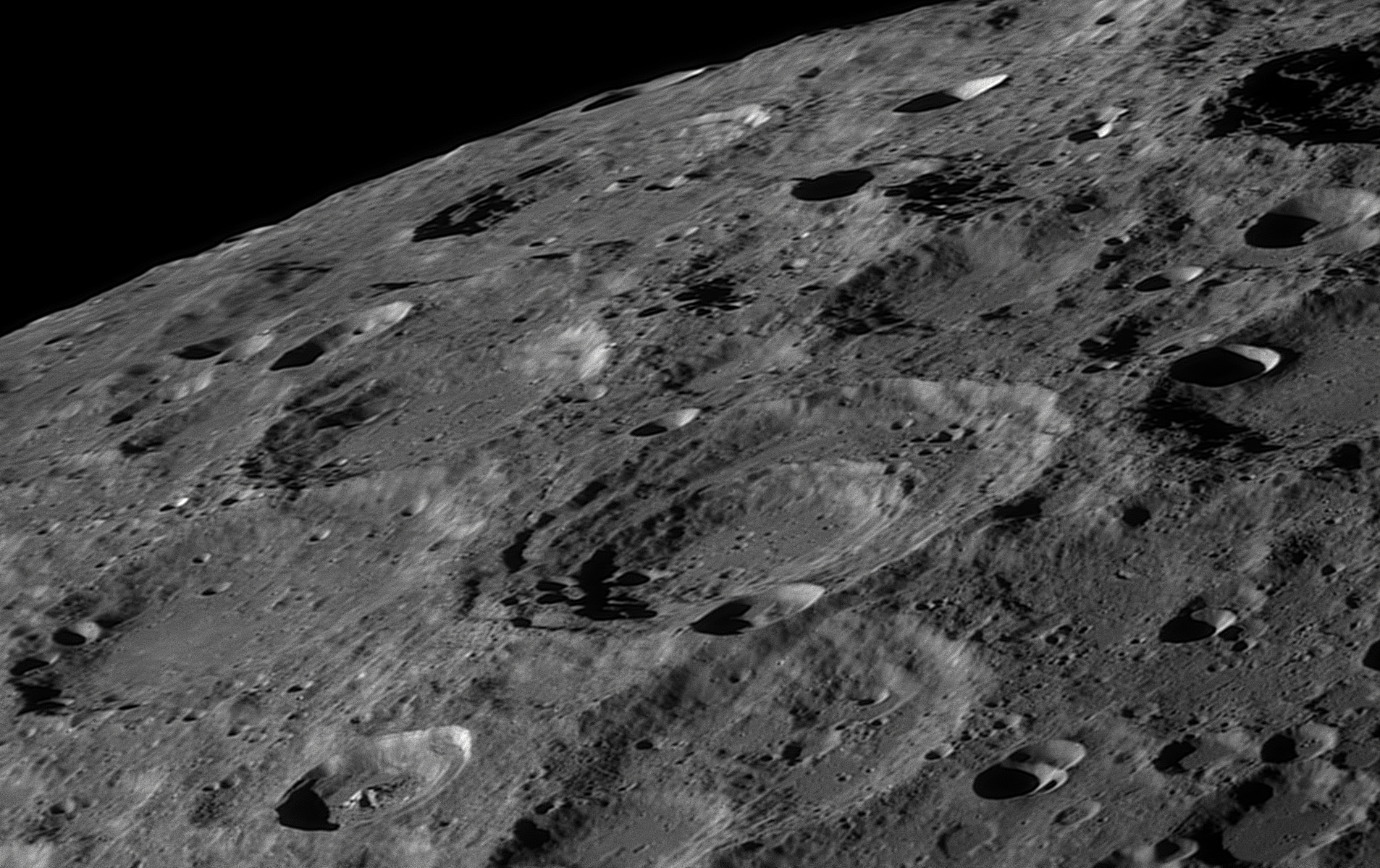
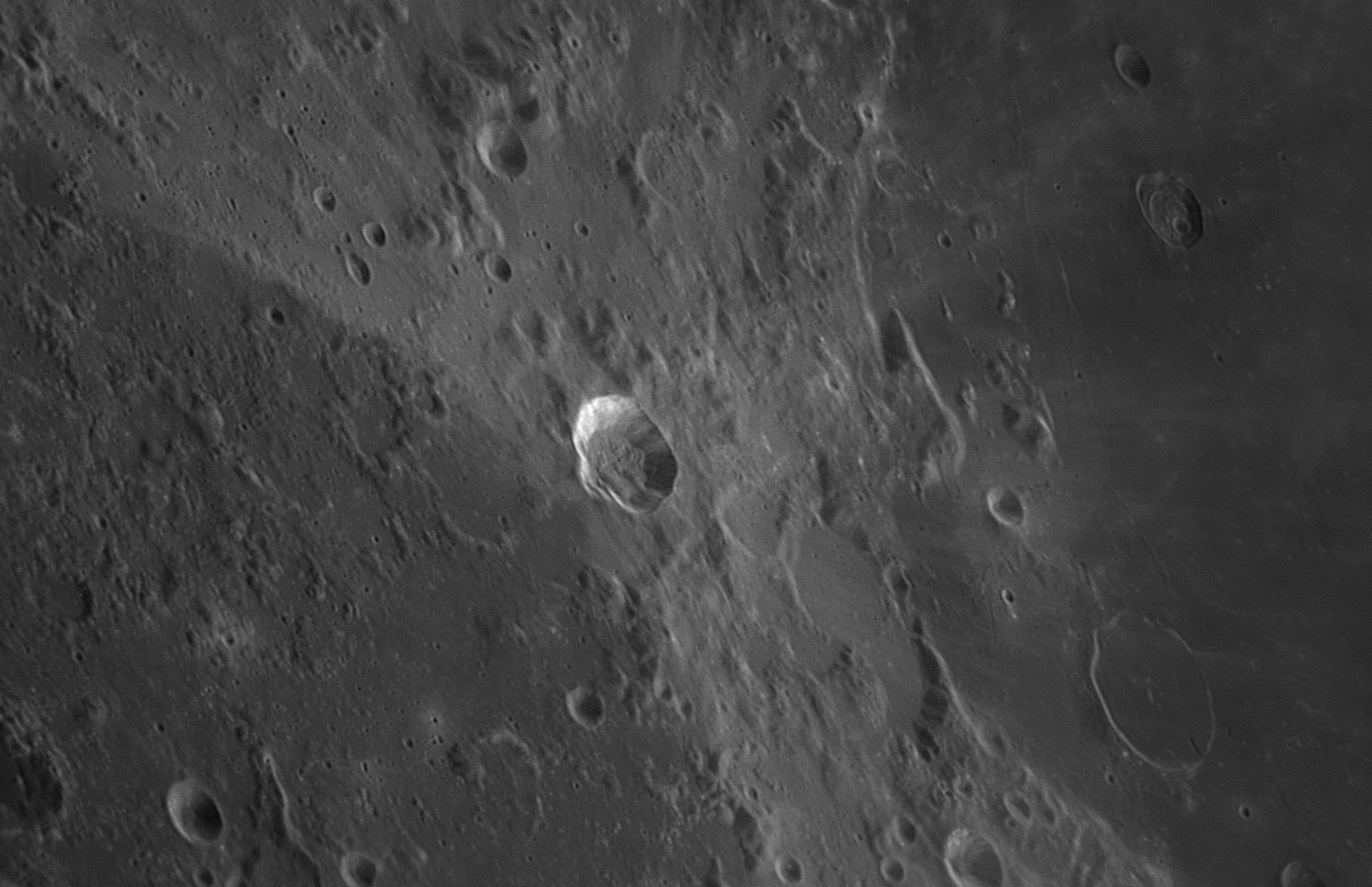
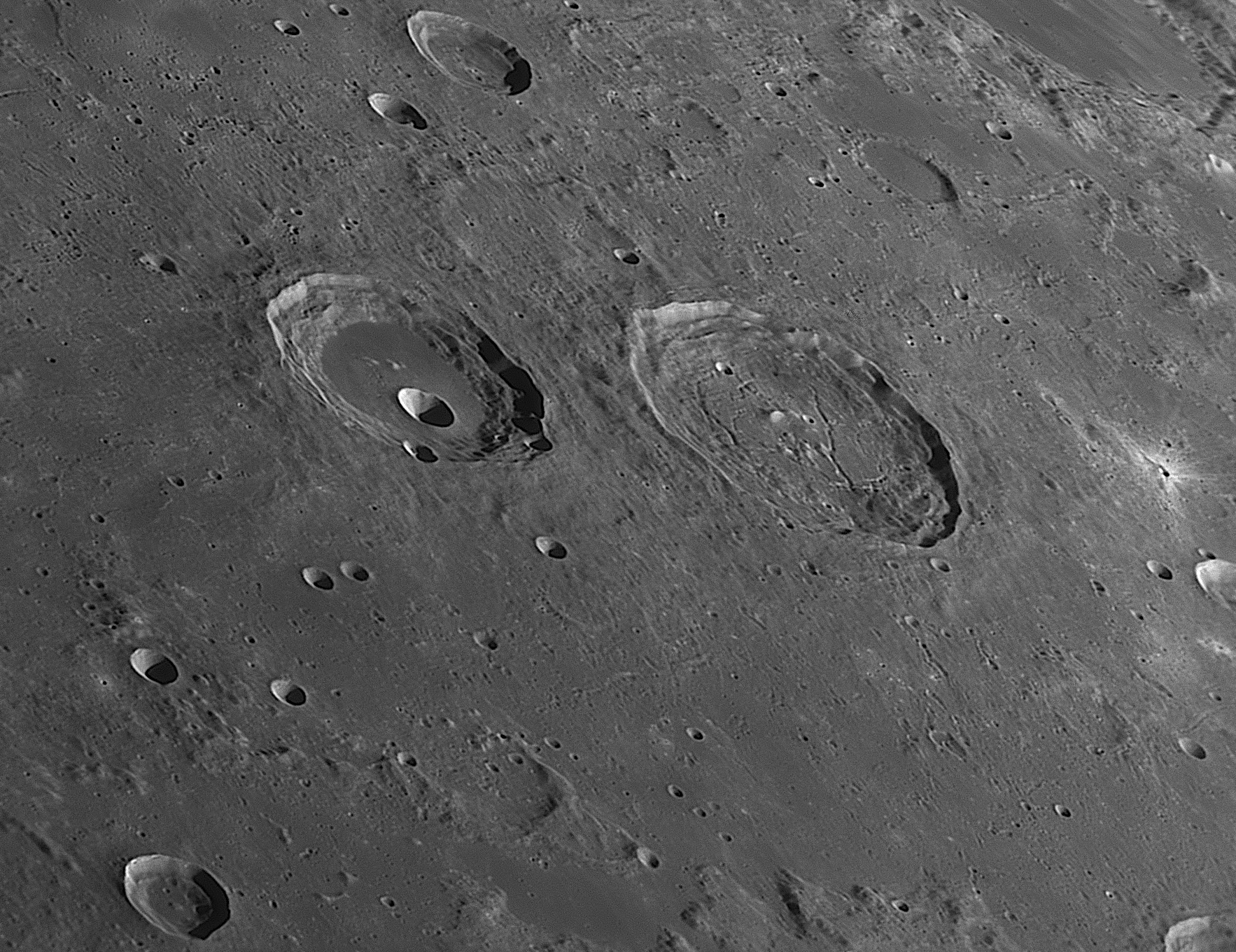
March 6, 2025 lunar images:



 maximus photography
Wow,great pics,max and thx for the describe,not all ppl know bout .all stuff,which r very important 2 understanding your work👍